How to Clean a Velvet Sofa: The Complete Guide
Safe, proven methods to keep your velvet sofa looking pristine — from daily maintenance to stubborn stain removal and nap restoration
VIEW RECOMMENDED PRODUCTSVelvet is undeniably one of the most luxurious upholstery fabrics available. Its rich, soft pile catches light beautifully and adds an instant sense of elegance to any room — which is why velvet sofas remain a top choice for luxury sofa buyers and style-conscious homeowners alike. But that same soft, dense pile that makes velvet so appealing also makes it notoriously tricky to clean.
Unlike smoother fabrics where spills sit on the surface, velvet's fibers can trap moisture, dirt, and oils deep within the pile. Water can leave permanent marks if applied incorrectly. Rubbing — your natural instinct when something spills — can permanently distort the direction of the fibers, creating a patchy appearance that is nearly impossible to fix without professional help.
This guide will walk you through everything you need to know about cleaning a velvet sofa safely. Whether you are dealing with routine dust buildup, an accidental wine spill, flattened areas from daily use, or mystery marks that appeared seemingly overnight, you will find a clear, actionable solution here. For general upholstery cleaning principles, our fabric sofa cleaning guide provides a broader foundation, but velvet demands a specialized approach that this page covers in full detail.

Understanding Velvet Types Before You Clean
Not all velvet is created equal. The cleaning method that works perfectly on one type of velvet could permanently damage another. Before you apply any cleaning technique, you need to identify which type of velvet your sofa uses. This information is sometimes available on the manufacturer's tag or product documentation. If you are still in the research phase of buying, our sofa materials explained guide covers fabric selection in detail.
Polyester / Synthetic Velvet
The most common type found on modern sofas. Highly durable, resistant to stains, and the most forgiving when it comes to cleaning. Water-based cleaning methods generally work well, and this fabric holds up to regular maintenance without special handling.
Easy to CleanCotton Velvet
A natural fiber option that offers a matte finish and soft hand feel. More absorbent than polyester, which means liquids penetrate faster. Requires quicker response to spills and gentler cleaning methods. Avoid over-wetting, as cotton velvet can shrink or develop water rings.
Moderate CareSilk Velvet
The most luxurious — and most fragile — velvet type. Often found on high-end, luxury sofas. Water can permanently stain silk velvet, and even mild detergents can damage the fibers. Professional dry cleaning is strongly recommended. Never attempt at-home wet cleaning.
Delicate — Professional OnlyCrushed / Panned Velvet
Created by twisting the fabric during production, giving it an irregular, textured appearance. While visually striking, the crushed pattern is extremely difficult to restore once flattened by cleaning or pressure. Avoid all methods that involve pressing or heavy rubbing.
Delicate — High RiskDecoding Upholstery Care Labels
Water-Based Cleaning
You can safely use water, mild dish soap, and water-based upholstery cleaners. This is the most common code for polyester and cotton velvet.
Solvent-Based Cleaning Only
Do NOT use water. Only dry-cleaning solvents or water-free upholstery cleaners are safe. Common on silk velvet and some blended fabrics.
Water or Solvent Safe
Both water-based and solvent-based cleaners are acceptable. Start with the gentlest method (water) and escalate to solvents only if needed.
No Liquid Cleaning
Vacuuming or dry brushing only. No water, no solvents, no cleaning products. If this is your tag, professional cleaning is your only option for anything beyond dust removal.
Essential Tools and Supplies
Having the right tools before you start is critical. Using the wrong brush or cloth can cause more damage than the original stain. Gather these items before you begin any cleaning task on your velvet sofa.
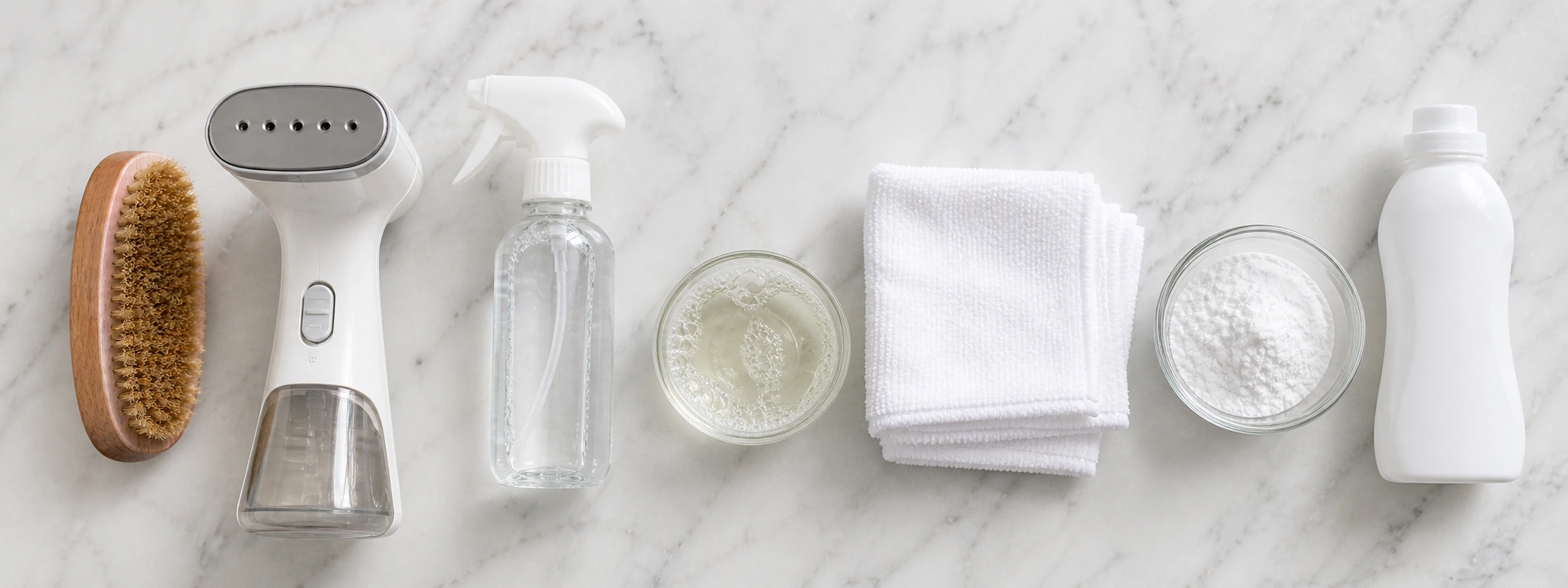
Soft-Bristle Brush
A clothing brush with natural bristles (not synthetic) to lift the pile and remove surface dust without scratching.
Upholstery Vacuum
A vacuum with a soft brush attachment. Never use a crevice tool or bare nozzle directly on velvet — it will pull fibers.
Microfiber Cloths
Multiple clean, white microfiber cloths. White is important — colored cloths can transfer dye onto wet velvet. Have at least 4–5 on hand.
Mild Dish Soap
Clear, dye-free liquid dish soap (like Dawn Original). Dilute with water — typically 2–3 drops per cup. Avoid scented or colored varieties.
Handheld Steamer
A garment steamer for refreshing the pile and lifting crushed areas. Keep it at least 2 inches from the fabric surface at all times.
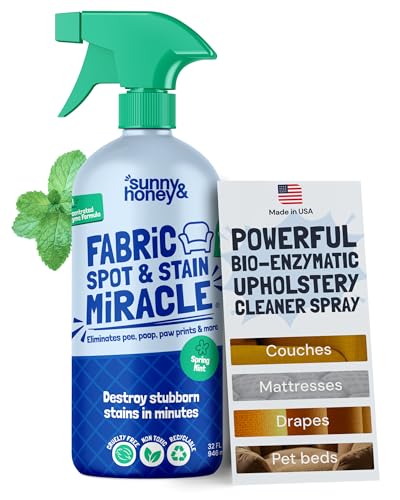
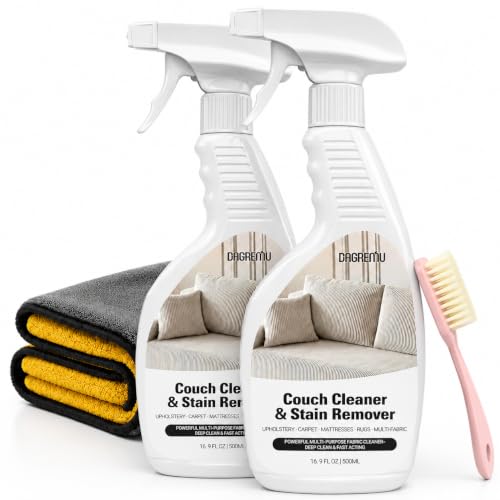
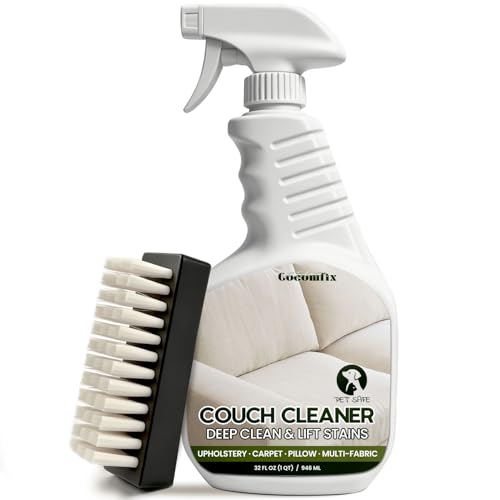
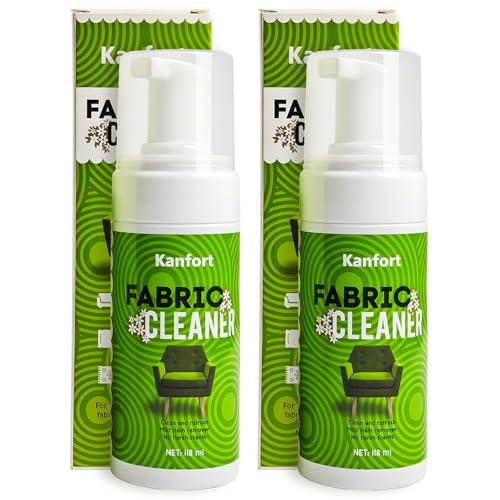
Velvet Cleaner
A specialized velvet upholstery cleaner for stubborn stains. These are formulated to clean without leaving water marks or residue.
Spray Bottle
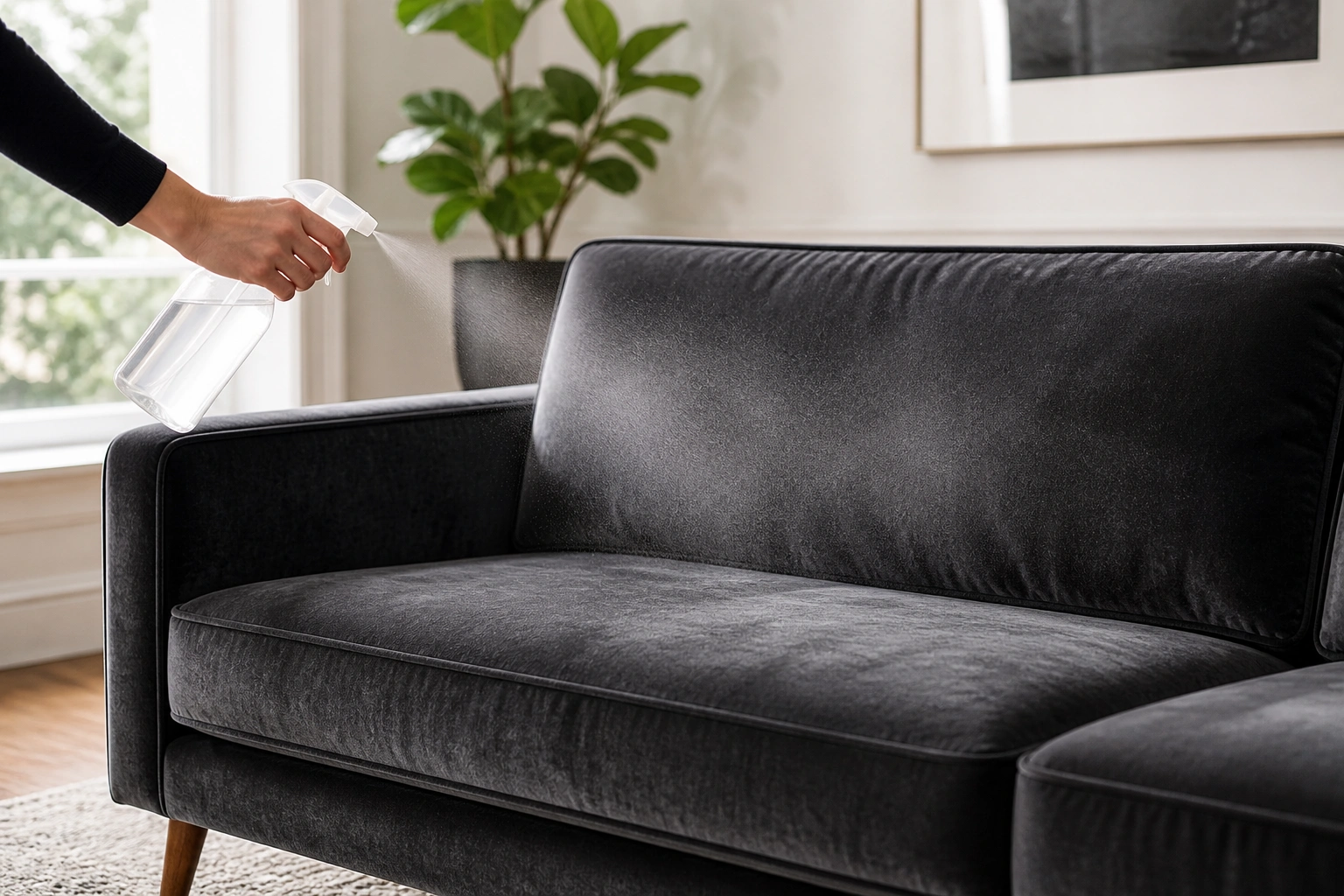
For applying diluted cleaning solution in a fine mist. Never pour liquid directly onto velvet — always spray onto the cloth first.
Cornstarch or Baking Soda
Dry absorbent powders for treating oil-based stains without water. Applied directly to the stain and left to absorb before brushing away.
Daily and Weekly Maintenance Routine
Prevention is always easier than restoration. A consistent maintenance routine will dramatically reduce the frequency of deep cleaning sessions and extend the life of your velvet sofa by years. This is especially important for velvet tufted sofas where the deep button indentations collect dust rapidly.
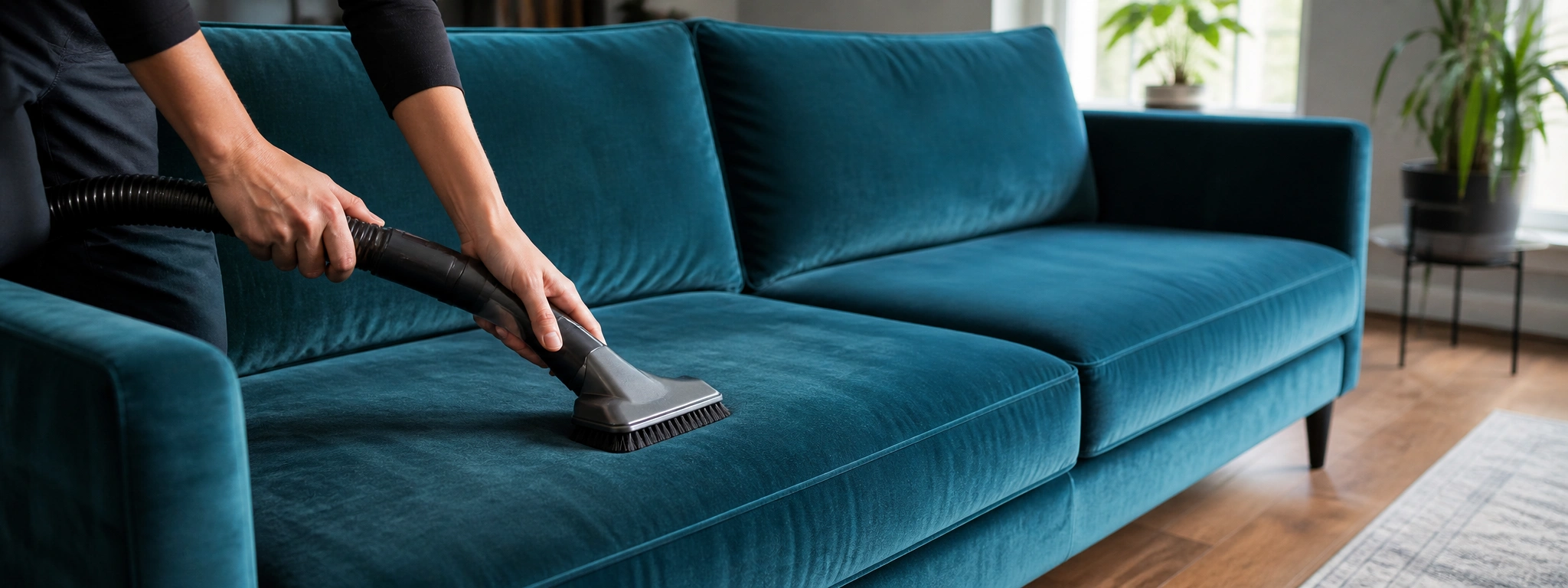
- Weekly Vacuuming Use the soft brush attachment on your vacuum, set to low suction if adjustable. Always vacuum in the direction of the nap — run your hand gently across the fabric; if it feels smooth in one direction and rough in the other, the smooth direction is the nap. Vacuuming against the nap will push dirt deeper into the fibers and create a fuzzy appearance.
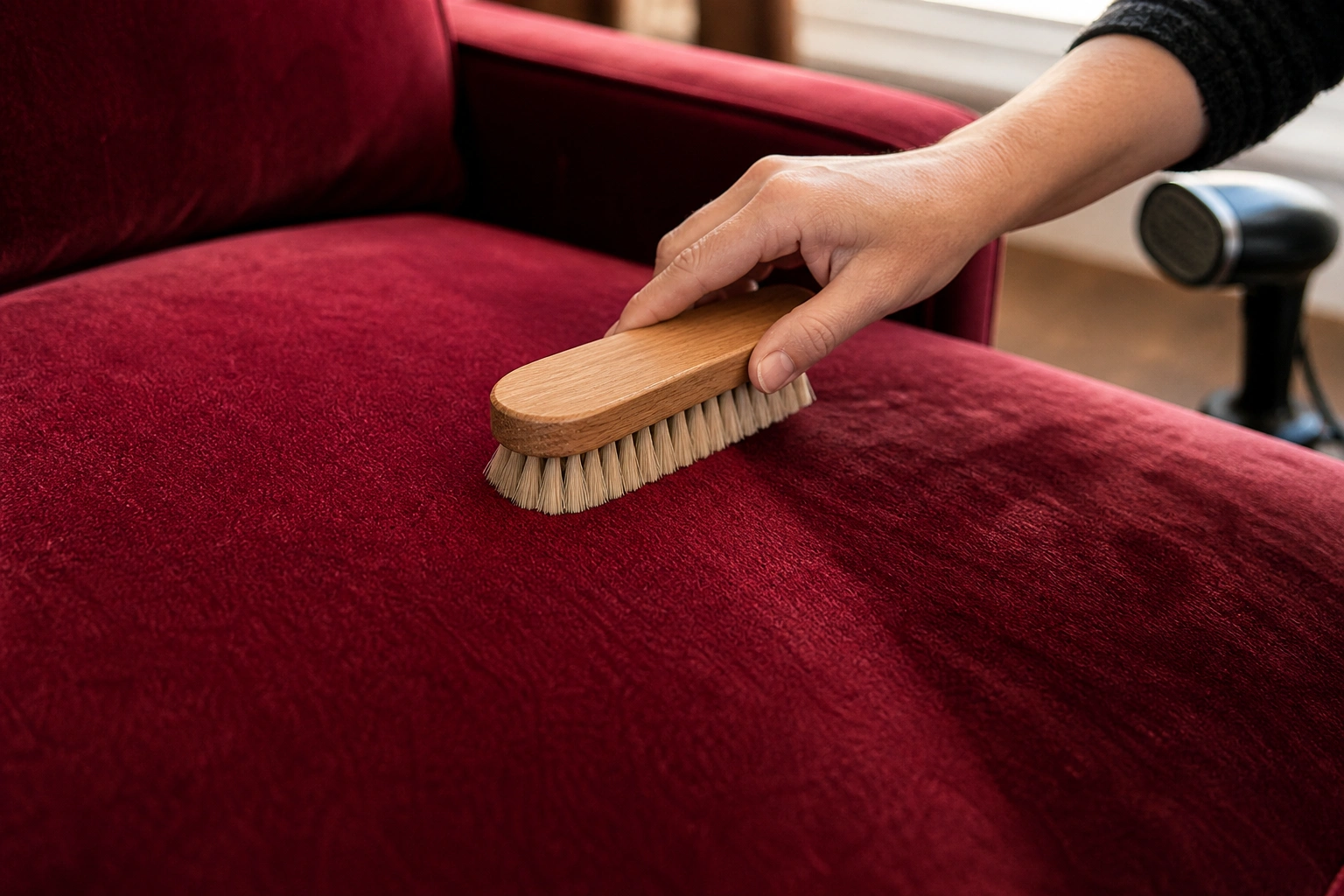
- Brush the Pile After vacuuming, use a soft-bristle clothing brush to gently stroke the fabric in the nap direction. This redistributes the fibers evenly, prevents matting in high-use areas like armrests and seat cushions, and gives the velvet a refreshed, uniform appearance. Focus extra attention on areas where people rest their arms or lean regularly.
- Rotate and Flip Cushions If your sofa has removable cushions, rotate them 180 degrees and flip them weekly. This distributes wear evenly across all surfaces and prevents one side from developing a permanently flattened appearance. For fixed-cushion sofas, encourage family members to use different seating positions to spread the wear pattern.
- Address Spills Immediately The single most important rule for velvet care: never let a spill sit. Even water can leave a permanent ring if left to dry on its own. Blot — never rub — with a clean, dry microfiber cloth the moment a spill occurs. Quick response prevents the liquid from penetrating beyond the surface fibers.
- Light Steam Refresh (Monthly) Once a month, lightly steam the entire sofa surface using a handheld garment steamer. Hold the steamer 2–3 inches from the fabric and move it slowly across the surface. After steaming, gently brush the pile in the nap direction while the fibers are still warm and pliable. This lifts compressed fibers, removes light odors, and restores the velvet's natural luster.
Step-by-Step Deep Cleaning Method
When routine maintenance is not enough and your velvet sofa shows visible soiling, a careful deep cleaning can restore its appearance. This method is safe for velvet with a "W" or "WS" care code. If your tag says "S" or "X", skip this section and consult a professional cleaner.
- Vacuum Thoroughly Start by vacuuming the entire sofa with the soft brush attachment. Remove all loose dust, crumbs, pet hair, and debris. This prevents loose particles from turning into mud when you introduce any moisture.
- Prepare the Cleaning Solution In a spray bottle, mix 2–3 drops of clear, dye-free dish soap with one cup of lukewarm water. Shake gently to mix without creating excessive suds. Alternatively, use a commercially available velvet upholstery cleaner diluted according to the product instructions.
- Test on an Inconspicuous Area Before applying the solution to visible areas, test it on a hidden spot — typically the back of the sofa, the underside of a cushion, or an area behind a leg. Apply a small amount with a damp cloth, let it dry completely, and check for color transfer, water marks, or texture changes. If any adverse effects appear, stop and switch to a professional cleaner.
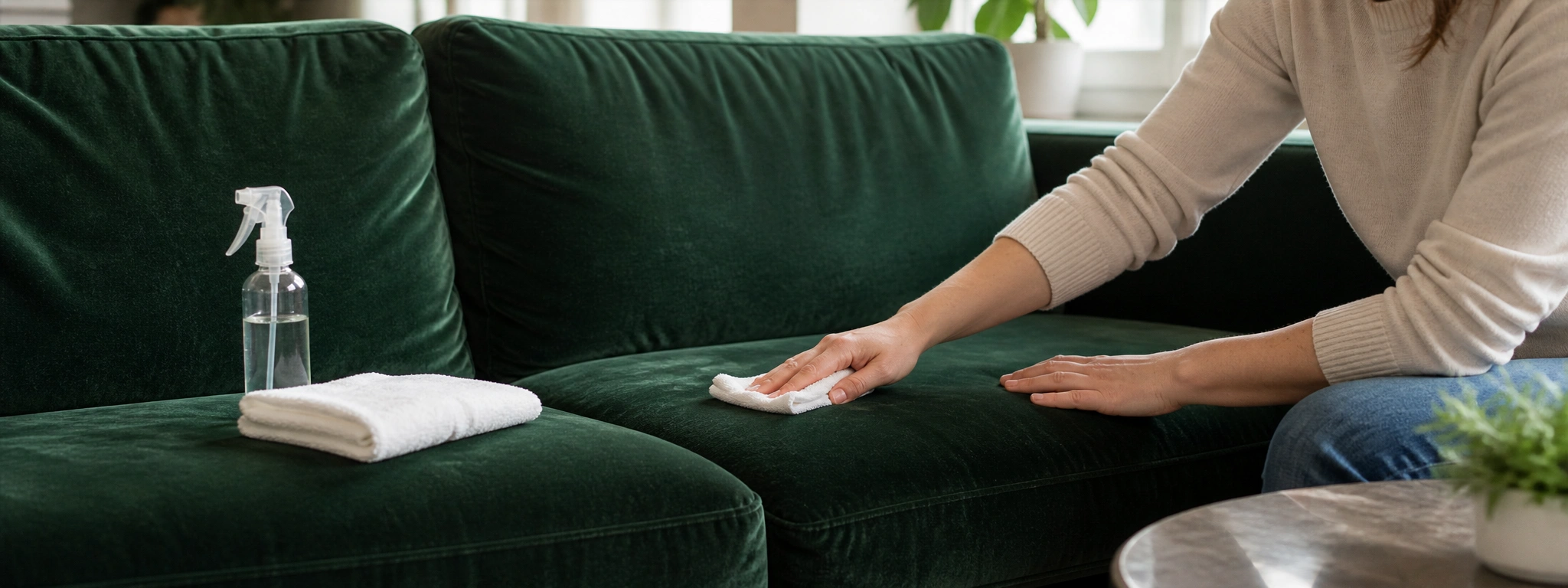
- Apply Solution to Cloth, Not Fabric Lightly mist your microfiber cloth with the cleaning solution — the cloth should be barely damp, not wet. Never spray directly onto the velvet. Work in small sections, roughly 12x12 inches, to maintain control over moisture levels.
- Blot Gently in the Nap Direction Using the damp cloth, gently blot the fabric in the direction of the nap. Do not rub, scrub, or apply pressure — let the mild soapy solution do the work. Work from the outside of a soiled area toward the center to prevent spreading.
- Rinse with a Damp Clean Cloth Dampen a fresh microfiber cloth with plain water (again, barely damp) and blot the cleaned area to remove any soap residue. Leftover soap can attract dirt and cause the fabric to feel stiff or sticky over time.
- Blot Dry Immediately Use a dry microfiber cloth to absorb as much moisture as possible from the cleaned area. Press gently — do not rub. The goal is to remove the majority of surface moisture before air-drying begins.
- Restore the Nap While the fabric is still slightly damp, use the soft-bristle brush to gently stroke the cleaned area in the nap direction. This resets the fibers to their natural orientation and prevents them from drying in a matted or disorganized state.
- Allow to Air Dry Completely Let the sofa air dry naturally in a well-ventilated room. Avoid using hair dryers, heaters, or direct sunlight to speed up drying — excessive heat can damage the fibers and cause shrinkage. Drying typically takes 2–4 hours depending on humidity and airflow.
- Final Brush and Steam Once completely dry, give the cleaned areas a final gentle brush to ensure the nap is uniform. If any areas appear slightly flattened, use the handheld steamer at a 2-inch distance, followed immediately by brushing while the fibers are warm.
Stain-Specific Removal Guide
Different stains require different approaches. What removes a coffee mark will not work on an oil stain, and using the wrong technique can set the stain permanently. For a broader stain reference, our general stain removal guide covers additional stain types, but the methods below are specifically tailored to velvet's unique characteristics.

Water marks occur when moisture dries unevenly on velvet, leaving a darker ring outline. To remove, lightly mist the entire cushion or panel (not just the mark) with a fine spray of water, then brush the entire area in the nap direction and let it dry uniformly. The goal is to wet the surrounding fabric so everything dries at the same rate.
Prevention is key — always dampen the full surface area rather than spot-treating with water on velvet.
Never use water on fresh oil stains — it will spread the oil further. Instead, sprinkle a generous layer of cornstarch or baking soda over the stain and let it sit for at least 30 minutes (overnight for deep stains). The powder absorbs the oil. Gently brush it away with a soft brush in the nap direction. Repeat if necessary. For set-in oil stains, use a dry-cleaning solvent on an "S" or "WS" coded fabric.
Cornstarch is slightly more effective than baking soda for oil absorption due to its finer particle size.
Blot immediately with a dry cloth to absorb as much liquid as possible — do not press hard, just gentle dabbing. Mix a solution of 1 teaspoon mild dish soap in 1 cup of cold water. Dampen a cloth and blot from the outside toward the center. For red wine specifically, some professionals recommend dabbing with a cloth dampened with white vinegar (test first on a hidden area). Rinse with a clean damp cloth and blot dry.
Never use salt on velvet — the abrasive crystals can permanently scratch the delicate pile fibers.
Blot immediately and generously with dry cloths to absorb as much as possible. For urine, apply a solution of equal parts white vinegar and water to neutralize the odor — dab gently, do not saturate. Follow with a mild dish soap solution to clean the area. Blot dry, brush the nap, and allow to air dry completely. For persistent odors, an enzymatic cleaner labeled safe for upholstery can be used, but test on a hidden area first.
Pet owners should consider protective measures — our guide to sofas for pet owners includes velvet-specific advice.
Blot the excess liquid immediately with a dry cloth. Mix a small amount of mild dish soap with cold water (cold water prevents coffee tannins from setting). Lightly dampen a cloth and blot from the outside edge inward. Avoid spreading the stain. If a light brown ring remains after drying, use the full-surface misting technique described for water marks to even out the appearance.
Act within the first 5 minutes for the highest chance of complete removal on polyester velvet.
Ink is one of the most difficult stains to remove from velvet. For "S" or "WS" coded fabric, apply a small amount of rubbing alcohol or dry-cleaning solvent to a white cloth and gently dab the stain — do not rub, as this will spread the ink further into the pile. For "W" coded fabric, try a specialized ink remover formulated for upholstery. Never use acetone (nail polish remover) on velvet — it will dissolve the fibers.
If the ink stain is larger than a quarter or has been present for more than a few hours, professional cleaning is strongly recommended.
How to Restore Crushed Velvet Nap
One of the most common frustrations with velvet sofas is the appearance of flattened, crushed, or shiny patches — particularly on seat cushions, armrests, and headrests where body weight compresses the fibers repeatedly. This is not staining or damage per se; it is simply the pile being pressed flat in a different direction than the surrounding fibers, which changes how light reflects off the surface and creates a visibly different shade.
Method 1: Steam and Brush (Most Effective)
This is the gold standard for nap restoration. Hold a handheld garment steamer approximately 2 inches away from the crushed area. Move the steamer slowly back and forth over the section for 10–15 seconds. While the fibers are still warm and moist from the steam, immediately brush them upward and in the nap direction using your soft-bristle brush. The heat softens the fibers, allowing them to spring back to their original upright position. Repeat if necessary, then allow the area to dry undisturbed for at least 30 minutes.
Method 2: Ice Cube Trick (For Small Areas)
Place an ice cube on the crushed area and let it melt completely. As the fabric absorbs the moisture, gently brush the fibers in the nap direction. Once dry, the fibers should have lifted. This works for small patches but is impractical for large areas. Remember to mist the surrounding fabric slightly to prevent water marks from the melting ice.
Method 3: Dry Brushing (Preventive Maintenance)
Regular dry brushing is the best way to prevent crushing from becoming permanent. Brush high-traffic areas daily or every other day to keep the fibers upright before they settle into a flattened position. This simple habit can prevent the need for steam restoration entirely.
Common Mistakes That Damage Velvet Sofas
Most velvet damage is caused not by the stains themselves but by the owner's response to them. Understanding what NOT to do is just as important as knowing the correct techniques. These are the most damaging mistakes we see — and they are all avoidable.
Rubbing or Scrubbing Spills
Rubbing pushes the spill deeper into the pile and permanently distorts the fiber direction. Always blot — press gently with a cloth and lift straight up. This is the number one cause of permanent velvet damage.
Using Excess Water
Saturating velvet can cause water rings, shrinkage, backing damage, and mold growth inside the cushion. The cloth should be barely damp — if you can wring water from it, it is too wet. Less is always more with velvet.
Ignoring the Care Label
Using water on an "S" coded fabric or solvent on an "X" coded fabric can cause irreversible damage. The 10 seconds it takes to check the tag can save you from a costly mistake that ruins the entire sofa.
Using Colored Towels or Cloths
When velvet is damp, it can act like a dye magnet. A blue towel can leave blue streaks, a red cloth can leave pink stains. Always use white microfiber cloths for any cleaning task on velvet.
Applying Heat to Dry
Hair dryers, space heaters, and direct sunlight can scorch, shrink, or fade velvet fibers. Always let velvet air dry naturally at room temperature. Patience is essential — rushing the drying process causes more harm than the original stain.
Using Harsh Chemicals
Bleach, ammonia, acetone, hydrogen peroxide, and all-purpose household cleaners can dissolve or discolor velvet fibers. Stick to mild dish soap or products specifically formulated for velvet upholstery.
Fabric Protection and Long-Term Prevention
The best way to clean a velvet sofa is to prevent it from getting dirty in the first place. A combination of protective treatments, strategic furniture placement, and smart accessories can dramatically reduce both the frequency and severity of cleaning needs. This is especially worth investing in if your velvet sofa is in a high-traffic area like a family room.
Apply a Fabric Protector
A quality fabric protection spray creates an invisible barrier that repels liquids and prevents stains from bonding with the fibers. For velvet, choose a protector specifically labeled as safe for velvet and delicate fabrics — standard fabric guards may alter the texture or sheen. Apply immediately after purchasing the sofa and reapply every 6–12 months depending on use. Our fabric protection guide covers product selection and application techniques in detail.
Use Decorative Throws Strategically
Place throws and pillows on the highest-wear areas — typically the seat cushions and armrests. This is not about hiding the velvet; it is about intercepting the dirt, oils, and spills before they reach the fabric. Choose throws made from smooth, non-abrasive materials that will not snag the velvet pile when removed.
Position Away from Direct Sunlight
Prolonged UV exposure causes velvet to fade unevenly, creating a washed-out appearance on sun-facing surfaces while shaded areas retain their original color. Position your sofa away from windows or use UV protection window films and curtains. This is particularly critical for darker velvet colors like navy, emerald, and burgundy.
Consider Removable Covers for High-Risk Scenarios
During parties, when pets are on the furniture, or during home renovation projects, temporary sofa covers provide a practical shield. Look for covers made from breathable materials that will not trap moisture against the velvet. Remove them as soon as the risk event is over to allow the fabric to breathe.
When to Call a Professional Cleaner
While the methods described in this guide handle the vast majority of velvet cleaning situations, there are times when professional intervention is the safest and most cost-effective choice. Attempting to fix severe problems yourself can turn a repairable issue into a total loss.
Contact a professional upholstery cleaner if:
- Your care label reads "S" or "X" These codes indicate that water-based or any liquid cleaning is unsafe. Professional cleaners have access to specialized solvents and dry-cleaning equipment that cannot be replicated at home.
- The stain covers a large area Spills larger than a dinner plate, or stains that have soaked through to the cushion interior, require professional extraction equipment to remove moisture from layers that home methods cannot reach.
- You have silk velvet Silk velvet should always be professionally cleaned. The risk of permanent damage from at-home methods far outweighs the cost of professional service for this premium fabric.
- Previous cleaning attempts made it worse If you have already tried cleaning a stain and it has spread, set, or changed color, a professional may still be able to help — but stop applying additional treatments that could compound the problem.
- There is visible mold or mildew Mold penetration requires professional antimicrobial treatment and thorough drying that goes beyond surface cleaning. This is also a health concern that should be addressed comprehensively.
Frequently Asked Questions
Yes, but with extreme caution and only if the care label displays a "W" or "WS" code. Velvet is highly sensitive to water — excess moisture can flatten the pile, cause permanent water rings, weaken the backing material, and promote mold growth inside the cushions. Use water sparingly by barely dampening a microfiber cloth rather than spraying or pouring directly onto the fabric. Always test on a hidden area first, and dampen the full panel rather than spot-treating to prevent ring marks.
The most effective method is steam and brush: hold a handheld garment steamer about 2 inches away from the crushed area, steam for 10–15 seconds, then immediately brush the fibers upward in the direction of the nap using a soft-bristle clothing brush. The heat softens the fibers, allowing them to spring back to their original position. Allow the area to dry undisturbed for 30 minutes. For small spots, the ice cube method can also work — place an ice cube on the flattened area, let it melt, then brush the fibers. Note: these methods do NOT apply to crushed velvet fabric (the intentionally textured variety), as steam will destroy its designed pattern.
For "W" or "WS" coded velvet: mild, clear, dye-free dish soap diluted with water (2–3 drops per cup) is the safest DIY option. Specialized velvet upholstery cleaners are the best commercial choice. For "S" coded velvet: only dry-cleaning solvents or water-free upholstery cleaners should be used. Products to absolutely avoid include bleach, ammonia, acetone, hydrogen peroxide, rubbing alcohol (unless treating ink on solvent-safe fabric), and all general-purpose household cleaners. Always test any product on an inconspicuous area before applying it to a visible section.
Light vacuuming with a soft brush attachment should be performed weekly to prevent dust and debris from settling into the pile. Dry brushing of high-traffic areas can be done daily or every other day to prevent crushing. Spot cleaning should happen immediately when any spill occurs — speed is the most important factor. A deeper clean with a damp cloth and mild soap solution can be done monthly or whenever visible soiling appears. Professional cleaning is recommended once a year for sofas in regular use, or more frequently for light-colored velvet in homes with children or pets.
Light surface steaming with a handheld garment steamer is safe, effective, and actually recommended for refreshing the pile and restoring crushed areas. However, full steam cleaning with a carpet or upholstery extraction machine is risky and generally not recommended. These machines inject large volumes of water and cleaning solution deep into the fabric and backing, which can oversaturate velvet, cause shrinkage, create water stains, and promote mold growth inside the cushion. Stick to gentle surface steaming followed by brushing, and leave deep extraction to professionals with velvet-specific equipment.
Patchy discoloration on velvet is almost always caused by the pile lying in different directions, not by actual color loss. When velvet fibers are pushed in one direction, they reflect light differently than the surrounding fibers, creating the illusion of darker or lighter patches. This commonly happens on seat cushions, armrests, and backrests from regular use. The fix is nap restoration — steam the area lightly and brush the fibers back into alignment in their natural direction. If the discoloration persists after restoration, it may be caused by UV fading, in which case the affected area has genuinely lost color and cannot be restored without professional re-dyeing.
It depends on the velvet type and your willingness to maintain it. Polyester velvet is surprisingly pet-friendly — its tight weave resists pet hair penetration, and most stains can be cleaned effectively with the methods in this guide. Cotton and silk velvet are much less practical for pet households. The main risks with pets are claw snags (velvet's loose weave can catch claws), pet hair weaving into the pile, and accident stains. If you have pets and want velvet, choose polyester velvet in a medium-to-dark color, apply fabric protection, use throws on high-use areas, and maintain a strict immediate-clean policy for any accidents. Our best sofas for pet owners guide covers velvet options alongside other pet-friendly fabrics.
Yes. Start with a vacuum using the soft brush attachment in the nap direction. For stubborn hair, use a rubber grooming glove — the rubber creates static that lifts hair from the fibers. Work gently in one direction. A lint roller can also work for surface hair but may lose effectiveness if hair has woven into the pile. For deeply embedded hair, lightly steam the area first to loosen the fibers, then vacuum and brush. Regular maintenance (weekly at minimum) prevents hair from becoming deeply embedded, which is much harder to remove. Avoid using sticky tape directly on velvet, as the adhesive can pull fibers out of the backing.