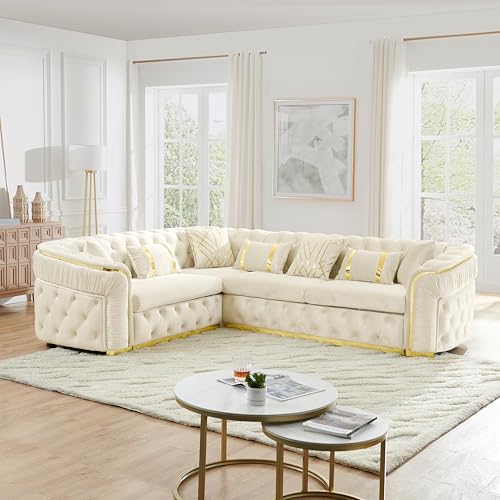
Sofa Materials Explained: The Complete Breakdown of What Goes Into Your Sofa
From the internal frame to the outer upholstery, understand every material layer that determines your sofa's comfort, durability, and value.
A sofa is not just one material — it is a carefully engineered system of multiple material layers, each serving a distinct purpose. The frame provides structural integrity, the springs distribute weight, the cushion fill determines sitting comfort, and the upholstery defines both aesthetics and daily usability. When you understand these individual components, you stop shopping blindly and start making decisions based on real, measurable quality. This guide breaks down every major sofa material category so you can evaluate any sofa like a pro — whether you are browsing a showroom or comparing products online.

Figure 1: Cross-section anatomy of a typical sofa showing the four key material layers
1. Frame Materials: The Skeleton of Your Sofa
The frame is the most important part of any sofa. If the frame fails, nothing else matters — no amount of premium cushioning or luxurious fabric can compensate for a weak structure. A quality frame should last 15 to 25 years or more, while a poorly built one may develop creaks, wobbles, or structural failure within just a few years. For a deeper dive into this topic alone, read our comprehensive frame materials guide.
Kiln-Dried Hardwood
The gold standard for sofa frames. Species like oak, maple, ash, birch, and beech are dense, strong, and resistant to warping. Kiln-drying removes moisture to prevent cracking and splitting over time. Premium brands use hardwood for all structural joints.
Plywood (Engineered Wood)
Multi-layer plywood — especially when 7+ layers thick — offers excellent strength and resists warping better than solid wood in humid environments. Many mid-range and high-end sofas use plywood for non-visible frame sections. The key is quality: look for furniture-grade plywood, not construction-grade.
Metal Frame
Steel or aluminum frames are extremely strong, lightweight, and immune to pests or moisture damage. Commonly found in modern sofas, minimalist designs, and outdoor sofas. Metal frames do not flex or creak but can feel cold and lack the warmth of wood.
Particle Board / MDF
Pressed wood particles or medium-density fiberboard. These materials are cheap but weak — they sag under weight, swell when exposed to moisture, and screws strip easily. Found almost exclusively in budget furniture. Not recommended if you want a sofa that lasts beyond 3 to 5 years.
🔑 Joint Construction Matters Too: Even the best hardwood frame fails if joints are poorly connected. Look for doweled, glued, and corner-blocked joints — this is the standard for quality sofas. Staple-only or nailed joints are a red flag. When inspecting a sofa, try to lift one corner — excessive wobble or flex indicates weak joints regardless of the wood type.

Figure 2: Quality frame joints use dowels, glue, and corner blocks for maximum structural integrity
2. Upholstery Materials: The Outer Layer
Upholstery is the material you see and touch every day. It determines the sofa's visual style, tactile feel, stain resistance, and maintenance requirements. The two broad categories are leather and fabric, each with multiple subtypes that vary dramatically in quality and price. The durability of upholstery fabric is measured by the Martindale abrasion test — a higher rub count means greater resistance to wear.
Leather Upholstery
Leather is prized for its sophisticated appearance, ease of cleaning, and ability to develop a rich patina over time. However, not all leather is created equal. Understanding leather grades is essential before making a purchase. For detailed cleaning instructions, see our guide on how to clean leather sofas.

Figure 3: Full-grain leather displays natural imperfections and grain patterns that are hallmarks of quality
Advantages of Leather
- Extremely durable — quality leather lasts 15 to 25 years
- Easy to wipe clean; spills do not soak in
- Hypoallergenic — does not trap dust mites, pet dander, or pollen
- Develops beautiful patina with age
- Resists odors and does not hold pet smells
Disadvantages of Leather
- Higher upfront cost, especially top-grain and full-grain
- Can feel cold in winter and sticky in summer
- Vulnerable to scratches from pet claws
- Susceptible to fading from direct sunlight
- Limited color options compared to fabric
Leather Types at a Glance
| Leather Type | Description | Durability | Breathability | Price Range |
|---|---|---|---|---|
| Full-Grain | Untouched top layer; shows natural marks; most premium | Excellent | Best | $250 – $800+ |
| Top-Grain | Sanded and corrected surface; very smooth; most common premium choice | Excellent | Very Good | $120 – $350 |
| Split-Grain | Lower layer of hide; coated or embossed; less natural feel | Good | Fair | $50 – $120 |
| Bonded Leather | Shredded leather scraps bonded with polyurethane; 10–20% actual leather | Fair | Poor | $20 – $60 |
| Faux / PU Leather | 100% synthetic; no animal hide; vegan alternative | Fair | Poor | $15 – $50 |
⚠️ Watch Out for "Genuine Leather" Labeling: "Genuine leather" is a legal term that actually refers to split-grain leather — it is the lowest tier of real leather. Many consumers assume it means high quality. If you want premium leather, specifically look for "full-grain" or "top-grain" on the label. For top leather sofa recommendations, browse our best leather sofas guide.
Fabric Upholstery
Fabric offers far more variety in color, pattern, and texture than leather. It is generally more affordable, warmer to the touch, and available in options suitable for every lifestyle. The key differentiators among fabrics are fiber type, weave density, and whether the fabric has been treated for performance. Learn how to maintain different fabrics in our guides for general fabric cleaning, velvet care, and microfiber maintenance.

Figure 4: Common sofa upholstery fabric types — from left: cotton, linen, velvet, polyester, microfiber
Cotton
Soft, breathable, and available in countless colors and patterns. Pure cotton wrinkles easily and stains without treatment. Most quality cotton upholstery is blended with polyester (typically 60/40 or 50/50) for improved durability and wrinkle resistance. A linen-cotton blend offers a similar natural feel with added strength.
Polyester
Synthetic fiber that is highly durable, fade-resistant, and wrinkle-resistant. Rarely used alone for upholstery — it is almost always blended with cotton or other natural fibers. The workhorse of affordable budget sofas. Excellent color fastness means patterns stay vibrant for years.
Microfiber
Ultra-fine polyester fibers woven into a soft, suede-like texture. Exceptionally stain-resistant because the tight weave prevents spills from penetrating. One of the best choices for pet owners and families. The downside: it holds onto pet hair and lint more than smoother fabrics. See our top microfiber couch picks.
Velvet
Luxurious, soft pile fabric that catches light beautifully. Modern velvet is typically made from polyester or a cotton-poly blend, making it more practical than traditional silk velvet. Prone to crushing and marking (the pile shifts when rubbed). Best for formal living rooms rather than high-traffic family spaces. Explore our velvet sofa recommendations.
Linen
Natural fiber from flax plants with a crisp, textured look. Linen breathes beautifully and feels cool in warm climates — ideal for coastal or beach-style homes. However, pure linen wrinkles easily, stains quickly, and shows wear in high-use areas. Always look for linen blended with cotton or synthetic fibers for upholstery use. See our linen sofa guide.
Performance Fabric
Engineered fabrics (like Crypton, Revival, or Sunbrella) treated at the fiber level for stain, water, and fade resistance. They feel like regular fabric but perform like armor — spills bead up, and most stains wipe clean with a damp cloth. The best all-around choice for families with kids and pets. Read more about performance fabric sofas.
3. Cushion Fill Materials: The Comfort Core
The cushion fill — also called the seat core — is what you actually sit on. It is arguably the most noticeable component in terms of daily comfort, yet most buyers never ask what is inside their sofa cushions. The fill determines whether a sofa feels firm, plush, supportive, or saggy. Understanding cushion fill types and foam density ratings is essential for making the right choice. If you struggle with back support, also see our guide to finding a sofa for back pain.

Figure 5: Common cushion construction — high-density foam core wrapped in polyester fiber and enclosed in a down-blend jacket
Polyurethane Foam
The most common cushion fill, available in varying densities measured by pounds per cubic foot (PCF). High-resilience (HR) foam at 1.8–2.5 PCF is the sweet spot for seating — it bounces back and maintains shape for years. Low-density foam (under 1.5 PCF) flattens quickly and is a sign of cheap construction.
Comfort level depends on the firm vs. plush preference: higher density feels firmer, lower density feels softer but degrades faster.
Memory Foam
Viscoelastic foam that contours to body shape and slowly recovers. Provides excellent pressure relief, which is why it is popular in sofas designed for daily napping and lounging. However, pure memory foam can feel too warm and "stuck" for some sitters. It is almost always used as a top layer over a firmer HR foam base, never as the sole fill.
Down & Feather Blend
The ultimate luxury feel — incredibly soft and cloud-like. Found on high-end luxury sofas and designer pieces like the popular cloud couch style. Requires daily fluffing to maintain shape. Almost never used alone — it is wrapped around a foam core (down-wrapped cushions) to provide both softness and underlying support.
Polyester Fiber Wrap (Dacron)
A batting layer wrapped around foam cushions to soften the initial feel and create a rounded, plush appearance. It is not a structural fill — it is a comfort layer. Over time, polyester wrap compresses and can make cushions feel thinner. This is normal and can be addressed by restuffing or replacing the wrap. See our guide on fixing sagging cushions.
🔑 What to Look for on the Label: Ask the seller for the foam density (PCF) and ILD (Indentation Load Deflection) number. A quality sofa cushion typically uses 1.8 PCF or higher with an ILD between 28 and 36 for a balanced firm-plush feel. Anything below 1.5 PCF will likely need replacement within 2 to 3 years of regular use.
Common Cushion Construction Types
| Cushion Type | Construction | Feel | Longevity | Best For |
|---|---|---|---|---|
| Foam Only | Single HR foam block, optionally wrapped in Dacron | Firm to medium | 7–10 years | Budget to mid-range; clean modern look |
| Down-Wrapped Foam | HR foam core wrapped in down/feather jacket | Soft with support | 10–15 years | Luxury; formal living rooms |
| Spring-Down | Mini Marshall coil core wrapped in foam and down | Very plush & resilient | 12–15 years | Premium; deepest comfort |
| Memory Foam Topper | 2–3" memory foam layer over HR foam base | Contouring & supportive | 8–12 years | Back pain relief; napping |
| All-Down | 100% down/feather fill, no foam | Extremely soft | 5–8 years* | Decorative; occasional use only |
* All-down cushions require frequent fluffing and compress significantly faster than foam-supported alternatives.
4. Spring Systems: The Hidden Support
The spring system sits between the frame and the cushions, distributing weight evenly and providing the "give" that makes a sofa comfortable to sit on. Without proper spring support, cushions bear all the load directly and wear out much faster. Different spring types affect everything from seat firmness to overall sofa lifespan. For an in-depth comparison, read our spring systems guide and suspension types explained.
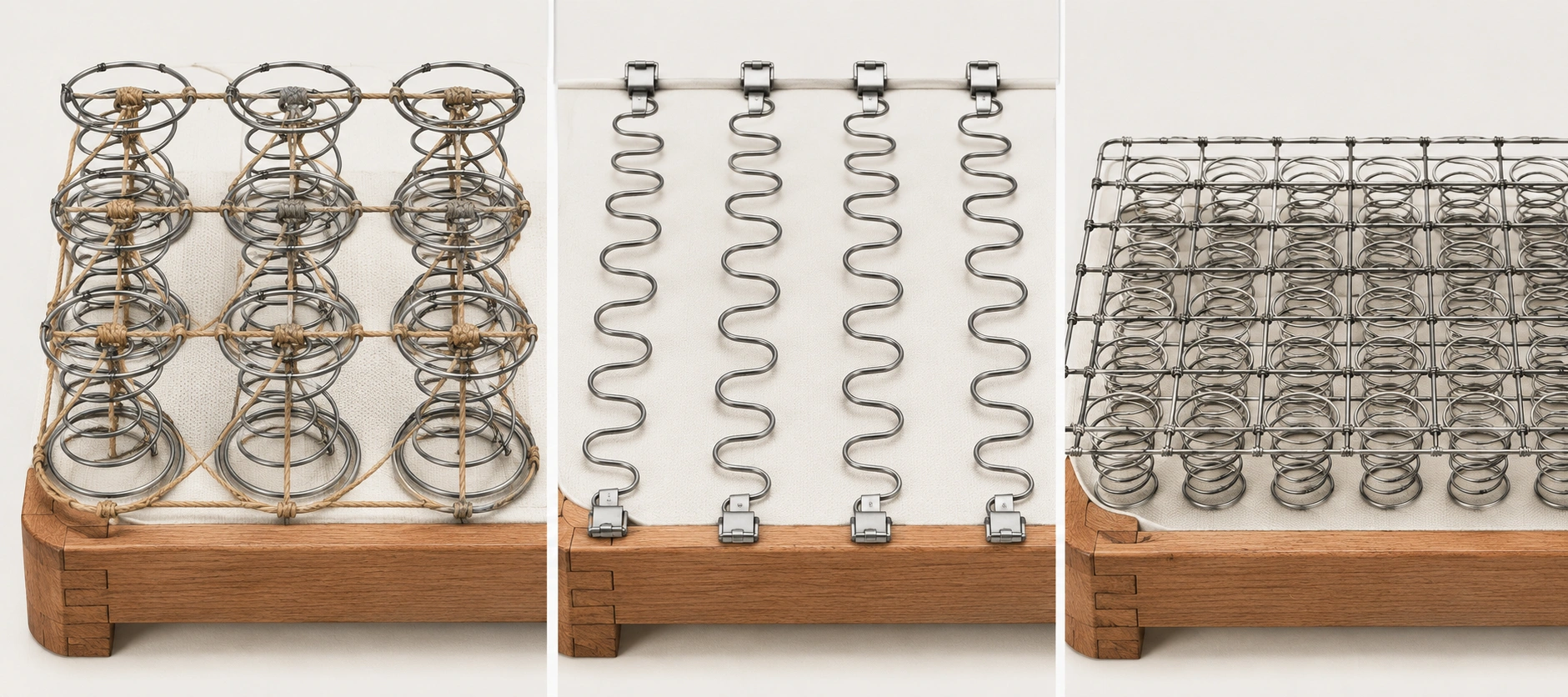
Figure 6: The three primary sofa spring systems compared — construction and support characteristics
Eight-Way Hand-Tied Springs
Individual cone-shaped coils are tied to each other and to the frame with twine in eight directions. This is the gold standard of sofa support — each spring moves independently but is stabilized by its neighbors. Found in high-end and luxury sofas. Labor-intensive to build, which is why it costs more.
Sinuous (No-Sag) Springs
Continuous S-shaped steel wires running front-to-back across the seat deck, fastened to the frame with clips. The most widely used spring system in mid-range sofas — it is reliable, cost-effective, and works well for most households. Not quite as nuanced as hand-tied coils but perfectly adequate for daily use. Common in sectional sofas and standard models.
Drop-In Coil Unit
A pre-assembled wire grid with attached coils that drops into the frame as a single module. Provides consistent support and is quick to install, which keeps manufacturing costs down. Often used in budget-friendly sofas and some mid-range models. Quality varies — look for units with at least 8-gauge wire.
Elastic Webbing (No Springs)
Woven polypropylene or rubber strips stretched across the frame with no metal springs at all. The cheapest support method — found in low-cost furniture and some lightweight futon sofas. Provides minimal support and stretches out over time, causing the seat to sag. Not recommended for daily-use sofas. If your current sofa uses webbing and sags, read about replacing springs.
5. Material Comparison: Quick Reference Table
The table below provides a side-by-side comparison of the most common material combinations you will encounter when shopping. Use this as a quick screening tool before diving into specific product research. For help with evaluating overall quality, see our sofa quality checklist.
| Material Combo | Expected Lifespan | Comfort Level | Maintenance | Best Use Case | Price Range (USD) |
|---|---|---|---|---|---|
| Hardwood + Top-Grain Leather + HR Foam + 8-Way Tied | 20+ years | Premium | Low | Formal living room; long-term investment | $2,500 – $8,000+ |
| Hardwood + Performance Fabric + HR Foam + Sinuous | 12–18 years | Excellent | Very Low | Family room; kids & pets | $1,200 – $2,800 |
| Plywood + Cotton-Poly Blend + HR Foam + Sinuous | 8–12 years | Very Good | Moderate | General living room; apartment | $600 – $1,500 |
| Hardwood + Velvet + Down-Wrapped Foam + 8-Way Tied | 12–15 years | Luxurious | High | Primary living room; low traffic | $2,000 – $5,500 |
| Plywood + Microfiber + Med-Density Foam + Sinuous | 7–10 years | Good | Low | Basement; pet-friendly budget | $400 – $900 |
| Particle Board + Faux Leather + Low-Density Foam + Webbing | 2–4 years | Poor | Moderate | Temporary; occasional use only | $150 – $400 |
6. How to Choose the Right Material Combination
There is no single "best" material combination — the right choice depends entirely on your household, lifestyle, and budget. A young professional in a studio apartment has different needs than a family of five with two large dogs. Consider how comfort vs. durability trade-offs apply to your situation, and balance your expectations with your budget vs. quality priorities.
Households with Pets
Choose performance fabric or tight-weave microfiber for upholstery. Avoid velvet, linen, and full-grain leather (scratches show). Look for removable, machine-washable covers. See our best sofas for pet owners and pet-proof sofa covers.
Families with Young Children
Performance fabric is non-negotiable — it handles spills, stains, and sticky fingers effortlessly. Pair with high-density foam cushions (easy to wipe covers) and a sturdy hardwood or plywood frame. Explore family-friendly sofa picks.
Formal Living Rooms
Prioritize aesthetics: velvet, linen-blend, or top-grain leather with down-wrapped cushions for a luxurious sit. Eight-way hand-tied springs add premium comfort. This is where you invest in materials that look and feel exceptional. Consider a classic Chesterfield or tufted sofa.
Small Apartments
Focus on a durable frame (hardwood or quality plywood) and medium-firm foam cushions that hold their shape in a compact footprint. A loveseat, 2-seater, or modular sofa in performance fabric or microfiber gives the best value per square inch. Read our small space sofa guide.
Home Theater & Lounging
Comfort is king: look for memory foam toppers, deep-seat cushions, and plush upholstery. A recliner sofa with soft fabric or leather and sinuous springs offers the best lounging experience. Check out our home theater sofa guide and movie marathon picks.
Budget-Conscious Buyers
Focus your budget on the frame and foam — these cannot be easily upgraded later. Choose a plywood frame with HR foam cushions and a cotton-poly or microfiber upholstery. Skip the expensive leather and down wraps. See our sofa budget guide and price breakdown to understand where your money goes.
🔑 Pro Tip — Test Before You Buy: Online photos cannot convey how a sofa actually feels. Visit a showroom to test similar constructions. Sit for at least 5 minutes in your normal posture. Lean back. Shift your weight. Press into the cushions with your hands to feel the foam density. For a complete testing methodology, read our guide on how to test sofa comfort.
7. Sustainable & Eco-Friendly Materials
As environmental awareness grows, more manufacturers are offering sofas built with sustainable materials — without sacrificing comfort or durability. Eco-friendly choices matter not only for reducing your carbon footprint but also for indoor air quality, since conventional foam and fabric treatments can release volatile organic compounds (VOCs) into your home. For a comprehensive look at green sofa options, explore our sustainable sofas guide.

Figure 7: Key sustainable sofa materials — FSC-certified wood, organic cotton, natural latex, and recycled steel springs
FSC-Certified Wood
The Forest Stewardship Council (FSC) certifies that wood is harvested from responsibly managed forests. An FSC-certified hardwood frame provides the same durability as conventional hardwood but with verified environmental and social standards. Look for the FSC label on product specifications.
Natural Latex Foam
Made from rubber tree sap, natural latex replaces petroleum-based polyurethane foam. It is naturally resistant to dust mites, mold, and mildew. It bounces back exceptionally well and lasts longer than conventional foam. The main drawback is cost — natural latex cushions can add 30–50% to the sofa price. Some brands use a blend of natural and synthetic latex to balance cost and performance.
Organic Cotton & Linen
Grown without synthetic pesticides or fertilizers, organic cotton and linen are gentler on the environment and on sensitive skin. They are certified by organizations like GOTS (Global Organic Textile Standard). Note that organic does not mean more durable — these fabrics still require the same care considerations as their conventional counterparts.
Recycled Materials
Recycled polyester (rPET) made from plastic bottles is increasingly used for sofa upholstery, and recycled steel is used for springs and metal frames. Some brands also use recycled foam scraps as cushion fill. These materials divert waste from landfills while performing comparably to virgin materials. Performance fabrics made from recycled fibers are now available from major suppliers.
⚠️ Greenwashing Alert: Terms like "eco-friendly," "green," and "natural" are not regulated in furniture marketing. A sofa labeled "eco-friendly" may only use one sustainable component while everything else is conventional. Look for specific, verifiable certifications: FSC for wood, GOTS or OEKO-TEX for fabric, GOLS for latex, and CertiPUR-US for foam (which tests for harmful emissions, even if the foam is not fully natural).
8. Final Takeaways
Understanding sofa materials transforms you from a passive shopper into an informed decision-maker. Here are the essential points to carry with you:
- The frame is non-negotiable. Kiln-dried hardwood or furniture-grade plywood with doweled and corner-blocked joints should be your baseline. Particle board is a dealbreaker for any sofa expected to last more than a few years.
- Upholstery should match your lifestyle, not just your style. Performance fabric and microfiber are the most practical choices for active households. Leather and velvet are beautiful but demand more careful use and maintenance.
- Foam density tells the real story. Look for 1.8 PCF or higher. Low-density foam is the single most common reason cushions flatten prematurely. If the seller cannot provide foam specs, that is a warning sign.
- Springs provide the foundation of comfort. Eight-way hand-tied springs offer the best experience but sinuous springs are perfectly adequate for most people. Avoid webbing-only construction for any daily-use sofa.
- The best sofa is the right combination, not the most expensive individual material. A smart combination — plywood frame + performance fabric + HR foam + sinuous springs — outperforms a mismatched premium build (hardwood frame + faux leather + low-density foam + webbing) in both comfort and longevity.
- Always ask for specifications. A reputable seller will provide frame wood type, foam density, spring system, and fabric content. If they cannot or will not, consider shopping elsewhere. Use our quality checklist as your evaluation tool.
📖 Continue Your Research: Now that you understand sofa materials, explore these related guides to complete your buying knowledge: How to Choose the Perfect Sofa, Size & Room Guide, Living Room Layout Guide, and Frequently Asked Questions.