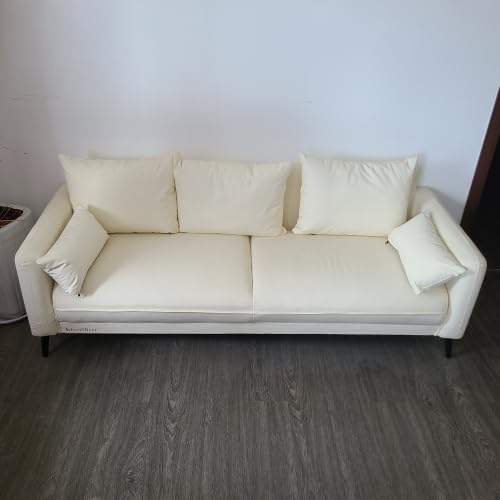
Neutral tone sofas have become the gold standard in interior design, and for good reason. Unlike bold or trendy colors that can feel dated within a few years, a neutral sofa serves as a versatile foundation that adapts to changing decor styles, seasonal accents, and evolving personal taste. Whether you are furnishing your first apartment or upgrading a family home, neutral tones offer a safe yet sophisticated starting point.
But "neutral" doesn't mean boring. The world of neutral sofas spans a rich spectrum — from warm beiges and creamy ivories to cool grays and complex taupes. Each shade carries its own mood, works differently with lighting, and pairs uniquely with other colors. Understanding these subtle differences is what separates a well-designed living room from one that feels flat or unintentional.
This guide walks you through every aspect of neutral tone sofas: the most popular shades and how they behave in real rooms, how to match a neutral sofa to your existing decor, the best materials for each tone, and practical styling tips that transform a simple neutral couch into the centerpiece of a beautiful space. By the end, you will know exactly which neutral tone suits your home and lifestyle — and you'll be ready to shop with confidence.

Why Choose a Neutral Tone Sofa?
Before diving into specific colors, it's worth understanding why neutral sofas consistently rank as the top choice among interior designers and homeowners alike. The benefits go far beyond simply playing it safe.
- Timeless appeal: Neutral tones never go out of style. Unlike specific color trends that peak and fade, a well-chosen neutral sofa can look current for a decade or more, protecting your investment.
- Maximum versatility: A neutral sofa works with virtually any wall color, flooring, rug pattern, and accent color. You can completely redecorate a room around the same sofa multiple times.
- Easier resale and replacement: If you ever decide to sell your sofa or move it to a different room, neutral tones are universally acceptable — unlike a red or green couch that may clash with a new space.
- Highlights accessories: A neutral sofa acts as a blank canvas, letting your throw pillows, blankets, artwork, and area rugs take center stage without competition.
- Broad buyer appeal: Neutral decor is preferred by most homebuyers, so if you are staging a home for sale, a neutral sofa makes the space feel more inviting to potential buyers.
- Suits any design style: Whether your home leans modern, coastal, industrial, vintage, or bohemian, there is a neutral tone that complements it perfectly.
PhanMarket Tip
If you are choosing between a neutral and a bold color sofa, ask yourself: "Will I still love this color in five years?" If there is any doubt, go neutral. You can always add bold color through throws and pillows that cost a fraction of a new sofa. For more guidance on balancing personal taste with practical longevity, read our complete sofa selection guide.
Popular Neutral Sofa Colors and How They Behave
Not all neutrals are created equal. The "right" neutral depends on your room's lighting, your existing decor, and the mood you want to create. Here is a detailed breakdown of the most popular neutral sofa colors.

Beige
The warmest and most inviting neutral. Beige sofas bring a cozy, earthy feel that pairs beautifully with wood tones, terracotta, olive green, and warm metals like brass and copper. Best for rooms with warm lighting or south-facing windows.

Taupe
A complex blend of brown and gray that feels inherently sophisticated. Taupe sofas bridge warm and cool palettes effortlessly. They pair well with both silver and gold accents, making them one of the most adaptable neutral choices available.

Cream
Softer and warmer than pure white, cream sofas create an airy, luxurious atmosphere. They work exceptionally well in rooms with abundant natural light. Pair with navy blue, sage green, or soft blush for an elevated look.

Ivory
Slightly more yellow undertone than cream, ivory has an old-world elegance. It suits traditional, transitional, and French country styles perfectly. Works well with deep greens, burgundy, and rich wood finishes.

Warm Gray
A softer alternative to cool gray that retains a modern edge without feeling cold. Warm gray sofas complement both cool blues and warm earth tones, making them ideal for open-plan spaces where the sofa connects multiple areas.

Greige
The ultimate chameleon — greige (gray + beige) is arguably the most popular neutral in interior design today. It shifts warmer or cooler depending on surrounding colors and lighting, making it nearly foolproof for any room.
Neutral Color Comparison at a Glance
Use this quick-reference table to identify which neutral tone aligns best with your room conditions and personal preferences.
| Color | Warm/Cool | Best Lighting | Stain Visibility | Best Design Styles |
|---|---|---|---|---|
| Beige | Warm | Warm / Natural | Low-Medium | Traditional, Bohemian, Coastal |
| Taupe | Neutral | Any | Low | Transitional, Contemporary, Mid-Century |
| Cream | Warm | Bright / Natural | Medium-High | Modern, Scandinavian, Glam |
| Ivory | Warm | Bright / Warm | Medium-High | Traditional, French Country, Farmhouse |
| Warm Gray | Slightly Warm | Any | Low | Modern, Industrial, Minimalist |
| Greige | Neutral | Any | Low-Medium | Any style — most versatile option |
How to Choose the Right Neutral for Your Space
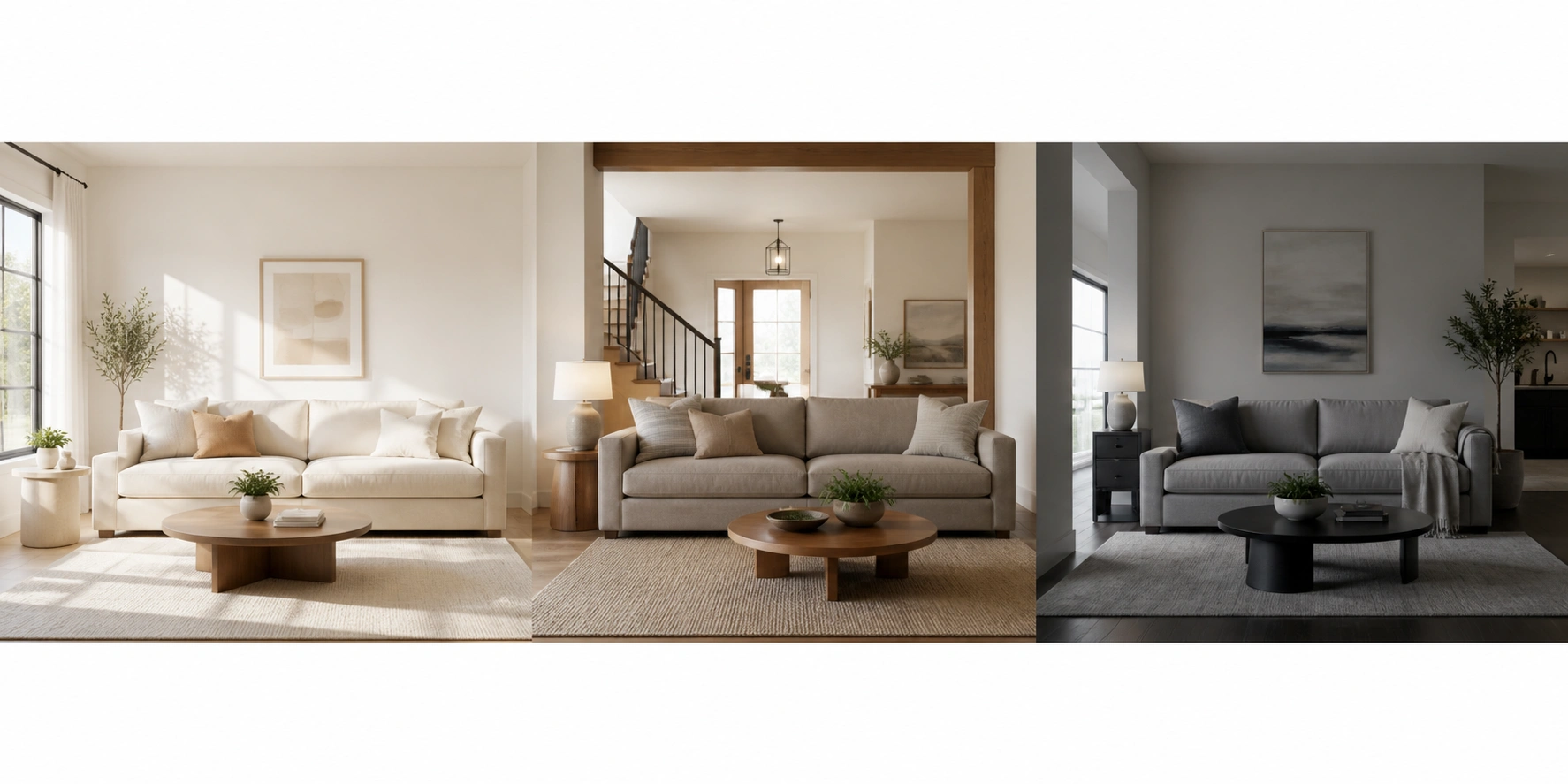
Selecting the perfect neutral tone involves more than picking a color you like in a photo. The same sofa can look dramatically different depending on where it's placed. Here is a systematic approach to making the right choice.
Step 1: Evaluate Your Room's Lighting
Lighting is the single biggest factor in how a neutral color reads in your space. North-facing rooms receive cool, blue-toned natural light that can make warm neutrals look gray and cool grays look almost blue. South-facing rooms get warm, golden light that enhances beige and cream but can make cool grays look muddy. If your room relies heavily on artificial lighting, check how the sofa color looks under both warm (2700K–3000K) and cool (4000K+) bulbs.
Step 2: Consider Your Fixed Elements
Look at the colors you cannot easily change: flooring, wall color, kitchen cabinets (if open-plan), and large furniture pieces. Your neutral sofa should either harmonize with these tones or provide intentional contrast. For example, if you have warm brown wood floors, a beige or taupe sofa will feel cohesive, while a cool gray sofa will create noticeable contrast that may or may not work.
Step 3: Think About Your Lifestyle
Be honest about who will use the sofa daily. If you have young children or pets, lighter neutrals like cream and ivory require more vigilance. Medium tones like taupe, warm gray, and greige hide everyday wear far better. If your heart is set on a light neutral, consider a slipcovered sofa or a washable sofa for easy maintenance.
Step 4: Test With Fabric Samples
Never choose a neutral based solely on a screen image. Order fabric swatches (most retailers offer them free or for a small fee) and place them in your room at different times of day. Observe how the color shifts under morning light, afternoon sun, and evening lamps. This simple step prevents the most common regret: a sofa that looks perfect online but feels "off" in your actual space.
Room Size Matters Too
Lighter neutrals (cream, ivory) can make a small room feel more open and airy, while darker neutrals (taupe, warm gray) add depth and coziness to large rooms that might otherwise feel sparse. For precise measurements, check our sofa size and room guide.
Best Materials for Neutral Tone Sofas
The fabric you choose significantly affects how a neutral color appears and performs. A beige leather sofa looks entirely different from a beige linen sofa — both in sheen and in how the color reads under light. Here is what to consider for each popular material.

- Performance fabric: The top recommendation for neutral sofas in active households. Modern performance fabrics like Crypton, Revolution, and Sunbrella offer stain resistance, easy cleaning, and excellent durability — all while maintaining a soft, natural feel. They are available in virtually every neutral shade and often outperform natural fibers on the Martindale abrasion test. This is the smartest choice if you want a light neutral but worry about maintenance.
- Linen: Linen gives neutral tones a relaxed, textured appearance with a beautiful natural slub. It suits casual and coastal styles perfectly. However, pure linen wrinkles easily and can be prone to staining. Blended linen (linen-cotton or linen-polyester) offers a practical compromise.
- Velvet: A velvet sofa in a neutral tone like taupe or warm gray adds luxury and depth through its sheen. Velvet shifts color slightly depending on the angle of light, giving the neutral a richer, more dynamic quality. It does show pet hair and requires regular brushing.
- Leather: A neutral leather sofa in beige, tan, or light brown develops a beautiful patina over time. Leather is inherently easy to wipe clean, making it practical for families. Understanding leather grades helps you choose quality that matches the price.
- Cotton: Affordable and breathable, cotton is widely available in neutral tones. It is comfortable but less durable than performance fabrics. Cotton canvas or duck cloth in medium neutrals like taupe is a budget-friendly option that holds up reasonably well.
Fabric Durability Check
When shopping for any sofa material, ask for the Martindale rub test score. A score of 15,000+ is suitable for occasional use, 25,000+ for everyday use, and 40,000+ for heavy-duty family use. Learn more in our Martindale test explanation. Also, check the cushion fill type to ensure the comfort matches the fabric quality.
Styling a Neutral Sofa: Expert Tips
The real magic of a neutral sofa reveals itself when you start styling. Here are proven approaches that interior designers use to make neutral sofas look intentionally curated rather than accidentally bland.

Layer Pillows in Groups of Three
Use the "odd number" rule: place three pillows on one end and two on the other. Mix patterns (stripes, geometrics, solids) in colors pulled from your rug or artwork. A beige sofa looks stunning with navy, terracotta, and sage green pillows — the contrast is what makes it pop.
Add a Textured Throw Blanket
Drape a chunky knit, faux fur, or linen-blend throw over one arm. The texture adds visual interest that a plain neutral sofa lacks on its own. Choose a throw color that either contrasts (deep emerald on taupe) or harmonizes (cream on beige) depending on the mood you want.
Anchor With a Patterned Rug
A neutral sofa needs a strong rug underneath to ground the seating area. Bold geometric, traditional Persian, or textured jute rugs all work. The rug should extend at least 6 inches beyond the sofa on each side for proper proportion. This is especially important for living room layout planning.
Use an Accent Chair for Color
Pair your neutral sofa with one or two accent chairs in a contrasting color or material. A green velvet chair next to a beige linen sofa creates a designer look instantly. This approach lets you enjoy bold color without committing to a colorful sofa.
Create a Gallery Wall Behind the Sofa
A neutral sofa is the perfect backdrop for a gallery wall. Mix framed art, photography, and even mirrors in varying sizes. Choose frames in black, gold, or natural wood depending on your style. The art becomes the focal point while the sofa quietly supports it.
Incorporate Natural Elements
Wood side tables, a rattan sofa table, ceramic vases, and trailing plants all enhance the organic warmth of a neutral sofa. Natural materials add life and texture that prevent the space from feeling flat or overly matchy.
Neutral Sofas by Room Type
The ideal neutral tone shifts depending on which room the sofa will live in. Here are tailored recommendations for the most common placements.
- Primary living room: Greige or taupe are the safest bets since they work with any accent color you might introduce through seasonal decor changes. A 3-seater or sectional sofa in greige provides maximum flexibility.
- Family room: Warm gray or medium taupe in a durable performance fabric. These tones hide everyday marks, pair well with kid-friendly colorful decor, and maintain a relaxed atmosphere. Consider a 4-seater for larger families.
- Small apartment: Cream or light beige on a 2-seater or loveseat to maximize the sense of space. Light neutrals reflect light and make compact rooms feel airier and less confined.
- Guest room: A sleeper sofa in taupe or warm gray feels welcoming to any guest regardless of their personal taste. Neutral ensures no one feels the room is "too themed" or overwhelming.
- Office or lobby: Warm gray or charcoal for a professional appearance. These tones convey sophistication and neutrality — appropriate for waiting areas where you want visitors to feel comfortable but the focus should remain on the business.
- Home theater: Dark warm gray or charcoal reduces light reflection from the screen. A recliner sofa in a darker neutral is both practical and immersive for movie watching.
Common Mistakes When Buying a Neutral Sofa
Even though neutral sofas are the "safe" choice, there are still pitfalls that can lead to disappointment. Avoid these frequent errors.
-
1
Matching everything to the sofa. If your walls, rug, curtains, and pillows are all the same neutral tone, the room feels flat and lifeless. Instead, use your neutral sofa as a base and introduce deliberate contrast through at least 2–3 accent colors or textures.
-
2
Ignoring undertones. Beige has yellow or pink undertones. Gray has blue or green undertones. Putting a yellow-beige sofa next to a blue-gray rug creates a subtle clash that makes the room feel "off" even if you can't identify why. Always check undertones when pairing neutrals.
-
3
Choosing a light neutral for a high-traffic home. Cream and ivory sofas are beautiful but unforgiving in homes with kids, pets, or frequent entertaining. If your lifestyle demands durability, choose medium or darker neutrals — or invest in a sofa cover from day one.
-
4
Skipping fabric samples. A neutral that looks perfect on your phone screen can look completely different in your actual room due to monitor calibration, lighting, and surrounding colors. Always order swatches and test them in your space before purchasing. This is especially important when comparing price vs quality across different brands.
-
5
Sacrificing comfort for color. Don't settle for a sofa that feels uncomfortable just because it's the right shade of beige. Test sofa comfort thoroughly — sit, recline, and lie down. The color means nothing if you never want to sit on it.
-
6
Forgetting about the sofa frame. A beautiful neutral fabric on a weak frame will sag and fail within years. Always check frame material quality and spring systems before committing. The frame is the skeleton — if it fails, the fabric color becomes irrelevant.
Neutral Sofas vs. Bold Color Sofas: When to Choose Each
If you are torn between a safe neutral and a statement color, this comparison will help clarify the right path for your situation.
| Factor | Neutral Tone Sofa | Bold Color Sofa |
|---|---|---|
| Longevity | Excellent — won't feel dated | Risky — color trends shift |
| Versatility | Works with any decor changes | Limits surrounding color choices |
| Visual Impact | Subtle, relies on styling | Instant room personality |
| Stain Concealment | Medium tones hide well; light tones don't | Depends on color darkness |
| Resale Value | Higher — broader appeal | Lower — niche appeal |
| Best For | Primary sofa, long-term investment | Secondary seating, accent pieces |
The ideal strategy for many homeowners is a neutral primary sofa paired with a bold accent chair or colorful cushions. This gives you the longevity and versatility of neutral with the personality boost of bold color — without the commitment risk. If you are drawn to colorful options, explore our guide on bold color sofas for complementary styling ideas.
Maintaining Your Neutral Tone Sofa
Neutral sofas, especially lighter ones, require consistent care to look their best over time. Here is a practical maintenance routine that keeps your sofa looking fresh year after year.

- Weekly vacuuming: Use a soft brush attachment to remove dust, crumbs, and pet hair before they embed into the fabric. This is the single most effective habit for maintaining any neutral sofa.
- Immediate spot treatment: Blot spills immediately with a clean, damp cloth. Never rub — rubbing pushes the stain deeper. For stubborn stains, follow our stain removal guide specific to your fabric type.
- Fabric protection: Apply a fabric protector spray (like Scotchgard or ForceField) after purchase and reapply every 6–12 months. This creates an invisible barrier that gives you extra reaction time for spills. Read our full fabric protection guide.
- Rotate and flip cushions: Every 2–3 months, rotate seat cushions and flip reversible ones. This ensures even wear and prevents one side from developing a permanent indent. If your cushions are already flattened, our repair guide can help restore them.
- Deep cleaning: Professional upholstery cleaning every 12–18 months keeps light neutrals from developing a dingy appearance. For fabric sofas, follow our fabric cleaning guide. For leather, see our leather cleaning guide and conditioning routine.
- UV protection: Prolonged sunlight exposure can fade neutral fabrics, especially cream and ivory. Use curtains or blinds during peak sun hours, or apply UV protection film to nearby windows.