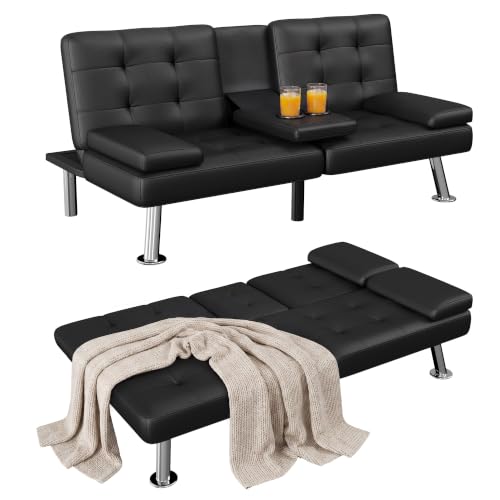
Best Sofas for Basement & Rec Rooms
Transform your lower level into the ultimate entertainment hub with durable, comfortable, and space-smart seating designed to handle any basement environment.
EXPLORE HOME THEATER SOFASDesigning Your Basement Oasis: A basement or rec room is the ultimate hangout spot for family movie nights, game days, and hosting friends. But furnishing a below-grade space comes with unique challenges—fluctuating humidity, tight stairwells, and the need for ultra-durable, spill-resistant furniture. This guide breaks down exactly what to look for, ensuring your sofa survives the elements while maximizing comfort and style.
Crucial Factors for Basement Sofas
Before falling in love with a specific style, you must evaluate the physical conditions of your basement. Unlike main-level living rooms, basements are prone to moisture and require furniture that can withstand a harsher environment while fitting through challenging entryways.

Moisture & Humidity Resistance
Basements naturally retain more humidity. Avoid frames made of untreated plywood or metals that easily rust. Opt for solid wood or rust-resistant metal frames. When deciding between upholstery, our leather vs fabric guide highlights that performance fabrics and treated leather are superior for moisture-prone areas because they resist mold and mildew better than natural, absorbent fibers like linen.
Stairwell & Doorway Clearance
The biggest hurdle of basement furniture is getting it downstairs. Measure your stairwell width, ceiling height on the stairs, and any tight turns before buying. Modular sofas are often the best choice because they come in individual pieces that are easy to maneuver down narrow basement stairs.
Spill & Stain Protection
Rec rooms mean snacks, drinks, and high traffic. Look for sofas with high Martindale test scores and stain-resistant finishes. If you have kids or pets, washable sofas with removable, machine-washable covers will save you thousands in professional cleaning costs.
Top Sofa Types for Rec Rooms
The function of your basement dictates the style of your sofa. Whether you are building a home theater, a game room, or a guest suite, certain styles naturally outperform others in lower-level spaces.

Sectional Sofas
Basements often feature large, open floor plans, making sectional sofas the undisputed king. L-shaped and U-shaped designs maximize seating without cluttering the room. They provide ample space for sprawling out during movie marathons. Look for a sofa with a chaise lounge for the ultimate relaxation spot.
Sleeper Sofas
If your basement doubles as a guest room, a sleeper sofa is a non-negotiable addition. Modern sleeper sofas offer thick, supportive mattresses that don't compromise on daytime seating comfort, ensuring your guests get a great night's sleep without needing a dedicated bedroom.
Reclining Sofas
For the ultimate "mancave" or home theater vibe, recliner sofas offer unmatched lounging. Many now feature built-in cup holders and USB ports for charging devices, making them incredibly functional for long gaming sessions or binge-watching.
Choosing the Right Upholstery Material
The wrong fabric can turn a basement sofa into a musty disaster. Because basements lack natural sunlight and ventilation, choosing materials that repel moisture and resist odors is essential.

Performance Fabrics: Materials like Crypton, Sunbrella, or high-quality microfiber are your best friends. They are engineered to resist moisture, stains, and bacteria. If a drink spills during a game, it beads up instead of soaking into the cushion. For easy maintenance, explore our fabric sofa cleaning guide.
Top-Grain Leather: Leather is naturally resistant to odors and spills, making it an excellent choice for basements—provided the room is climate-controlled. Extreme humidity can damage leather over time. If you choose leather, ensure you practice regular leather conditioning to prevent the material from drying out or cracking.
Avoid Velvet & Linen: While velvet looks luxurious and linen feels breezy, both act like sponges in humid environments. They trap moisture, hold onto odors, and are highly susceptible to mold. Save these fabrics for well-ventilated, above-ground spaces.
Keep your sofa off the basement floor. Even with a dehumidifier, basement floors can get cold and damp. Choose a sofa with taller legs (at least 4-6 inches of clearance) to promote air circulation underneath, and protect your sofa frame from moisture damage.
Basement Sofa Layout & Design Tips
Basements often have low ceilings, minimal natural light, and awkward layouts. The right design choices can make your rec room feel just as inviting as your main living area.
Embrace Low-Profile Sofas
Low ceilings can make a room feel cramped. A low-back sofa or floor sofa draws the eye horizontally, creating the illusion of higher ceilings and a more expansive space.
Play with Dark Colors
Unlike small apartments where light colors are recommended, basements can actually benefit from dark, moody palettes. A black couch, brown couch, or deep charcoal grey couches hide wear and tear while creating a cozy, theater-like atmosphere.
Maximize Storage
Rec rooms are for games, blankets, and media. Sofas with built-in storage are a game-changer. A sofa with storage under the chaise or hidden compartments keeps clutter out of sight, maintaining a clean, relaxing environment.
Layer Lighting
A sofa in a dark corner will go unused. Since basements lack windows, floor lamps and sofa table lamps are crucial. Pair your seating with a stylish sofa table and layered lighting to create a warm, inviting glow that makes the space feel lived-in.