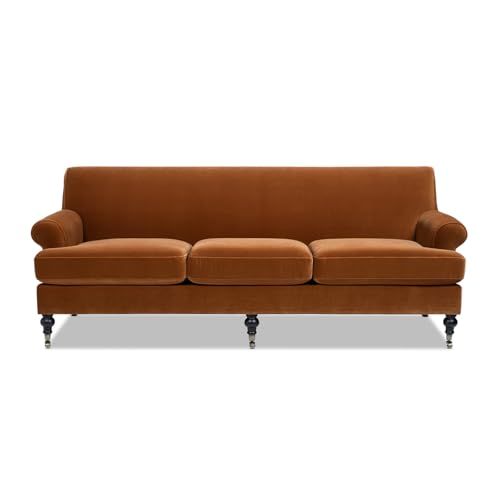
The Complete Guide to Velvet Sofas: Elegance, Comfort & Care
Everything you need to know before buying a velvet sofa — from fabric types and durability to the best colors, cleaning methods, and top recommendations for 2026.
VIEW TOP PICKS📑 What's Covered in This Guide
What Is a Velvet Sofa?

A velvet sofa is upholstered in velvet — a woven fabric with a dense, evenly-cut pile that creates a distinctive soft, plush surface. Unlike flat-woven fabrics such as linen or cotton canvas, velvet has a three-dimensional texture that catches and reflects light differently depending on the angle, giving it a subtle shimmer that no other upholstery material can replicate.
Velvet has been associated with luxury for centuries. Originally made from silk and reserved for royalty, modern velvet is now produced from a variety of fibers including cotton, polyester, nylon, and blends — making it far more accessible and practical for everyday furniture. Today's velvet sofas combine that old-world opulence with modern performance technology, resulting in pieces that are both beautiful and functional for daily living.
Key takeaway: A velvet sofa is not just a furniture piece — it's a design statement. The fabric's unique ability to shift in tone under different lighting conditions means your sofa can look slightly different throughout the day, adding dynamic visual interest to your room. If you're exploring sofa materials, velvet stands out for its unmatched combination of tactile softness and visual depth.
What makes velvet particularly appealing for sofas is how it interacts with color. The pile structure absorbs and reflects light, creating a depth of color that appears richer and more saturated than the same dye on a flat fabric. A navy blue velvet, for example, looks significantly deeper and more complex than navy blue linen or microfiber. This is why velvet is the go-to choice for bold-colored sofas — the fabric does the heavy lifting to make vibrant shades feel sophisticated rather than overwhelming.
Types of Velvet Fabric for Sofas
Not all velvet is created equal. The fiber content dramatically affects durability, feel, care requirements, and price. Understanding these differences is critical before making a purchase — choosing the wrong velvet type for your household could lead to premature wear, staining issues, or costly cleaning bills.

Polyester Velvet
Made from synthetic fibers. The most common and affordable velvet for sofas. Resists wrinkling, stretching, and shrinking. Good color retention and moderate durability. Best for budget-conscious buyers.
Best ValuePerformance Velvet
Engineered polyester or nylon blend with enhanced stain resistance, higher abrasion rating (50,000+ Martindale cycles), and improved cleanability. The top choice for families and homes with pets.
Best OverallCotton Velvet
Natural fiber with a matte, softer hand feel than polyester. Breathable and comfortable in warm climates. Less durable than synthetic options (typically 20,000–40,000 cycles). More prone to crushing and water stains.
Natural FeelSilk Velvet
The most luxurious and expensive option. Unmatched sheen and drape. Extremely delicate — not recommended for everyday use sofas. Best for decorative or occasional-use pieces in low-traffic areas.
Premium LuxuryNylon Velvet (Micro Velvet)
Very fine synthetic pile with exceptional softness. High abrasion resistance and excellent resilience against crushing. Often blended with polyester for added strength. Good middle-ground option.
High DurabilityViscose/Rayon Velvet
Semi-synthetic fiber derived from wood pulp. Offers a beautiful silk-like sheen at a lower price point. Moderate durability. Prone to water damage and crushing. Often blended with polyester for improved performance.
Silk AlternativeImportant: When shopping for a velvet sofa, always check the Martindale abrasion rating. For regular daily use, look for at least 30,000 cycles. For heavy-use households (families with children or pets), aim for 50,000+ cycles. Silk velvet typically doesn't even have a published Martindale rating because it's not intended for high-traffic furniture.
Pros & Cons of Velvet Sofas
Velvet sofas are undeniably beautiful, but they come with specific trade-offs. Being honest about both the advantages and limitations will help you decide whether this fabric is the right fit for your lifestyle and household.
✅ Advantages
- Rich, luxurious appearance that elevates any room's aesthetic
- Unique light-reflecting quality adds visual depth and dimension
- Exceptionally soft and comfortable to the touch
- Colors appear deeper and more saturated than on flat-woven fabrics
- Wide range of available colors — from jewel tones to muted pastels
- Performance velvet options offer excellent stain resistance
- Doesn't show lint and dust as easily as many other fabrics
- Durable synthetic options can last 10-15 years with proper care
- Works beautifully with multiple design styles from modern to vintage
❌ Disadvantages
- Can show crushing and marking where you sit regularly
- Pet hair clings to the pile and requires frequent removal
- Certain types are vulnerable to water spots and staining
- Not ideal for homes with cats (claws can snag the pile)
- Requires specific cleaning techniques — you can't just scrub
- UV exposure can cause fading over time
- Silk and cotton velvet are expensive to maintain
- Can feel warm in hot climates compared to breathable fabrics like linen
- Cheaper polyester velvet may develop pilling over time
Popular Velvet Sofa Styles
Velvet complements a wide variety of sofa designs. The fabric's inherent richness can make even a simple silhouette feel premium. Here are the most popular velvet sofa styles and what makes each one special:
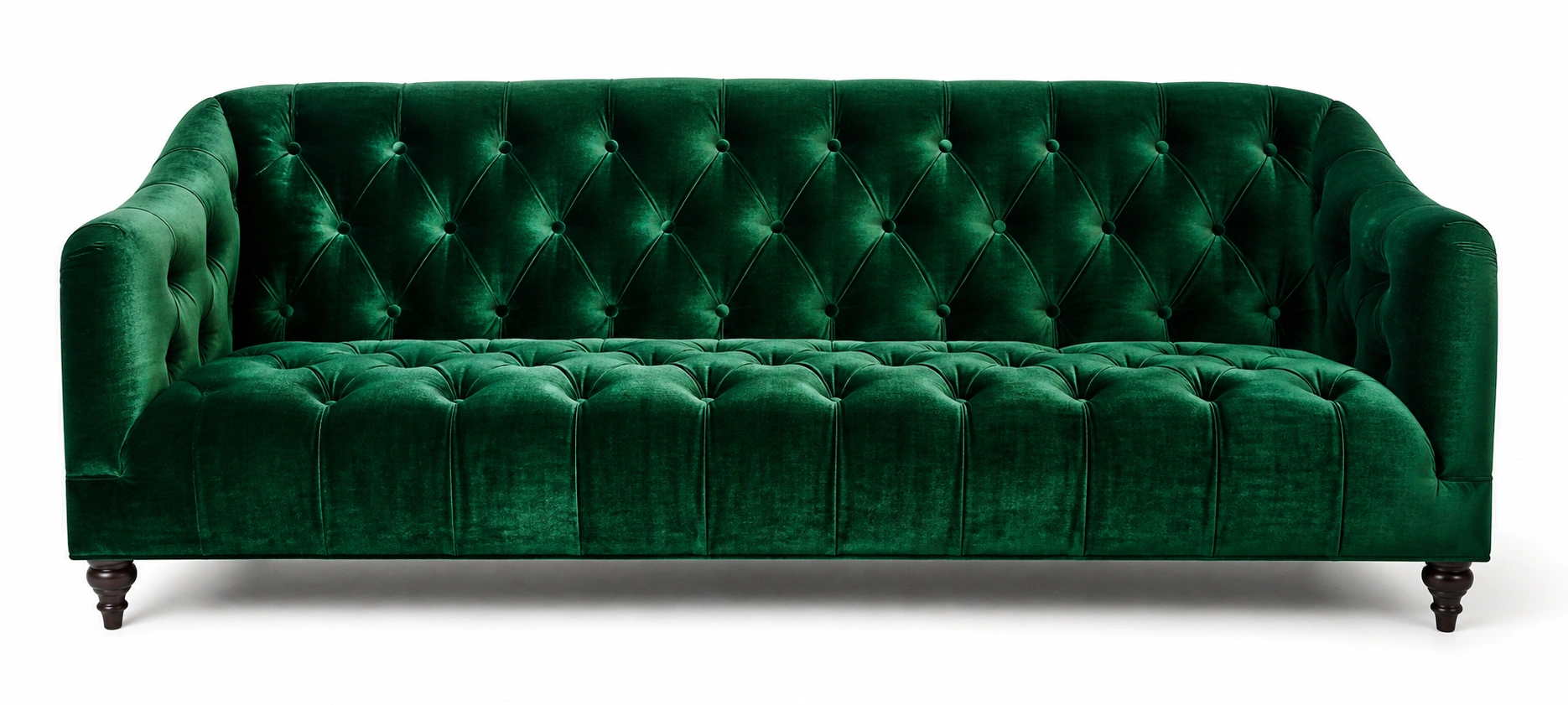
Tufted Velvet Sofa
Deep button tufting combined with velvet creates maximum visual impact. The tufted design adds texture on top of velvet's natural richness. Best for traditional, glam, or luxury-themed rooms.

Modern Velvet Sofa
Sleek lines, tapered legs, and minimal detailing let the velvet fabric be the star. Perfect for contemporary interiors where you want one bold statement piece.
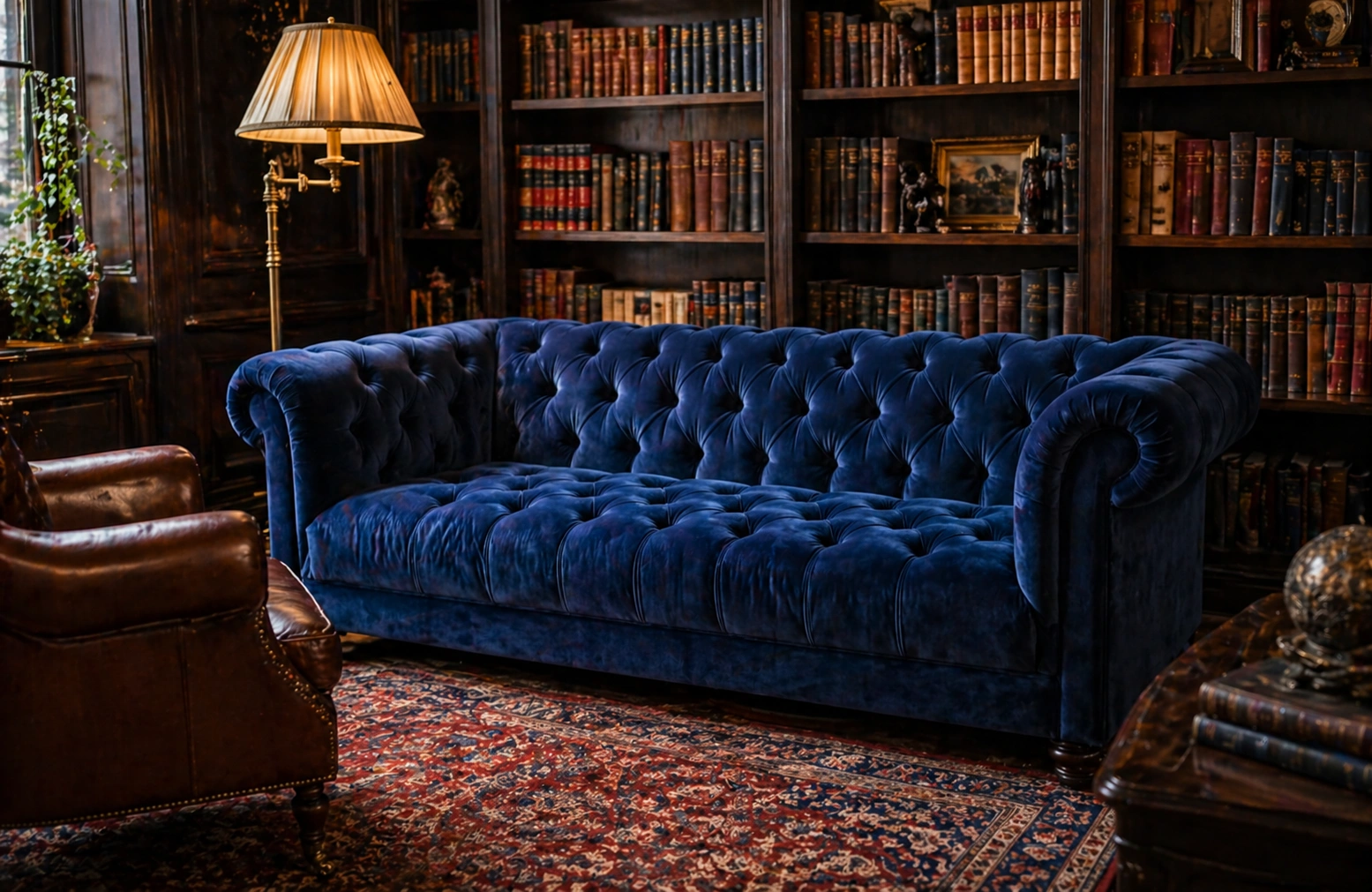
Velvet Chesterfield
The iconic rolled arms and tufted back of a Chesterfield sofa gain an extra layer of elegance when covered in velvet. A timeless combination for sophisticated spaces.

Velvet Sectional
A sectional sofa in velvet makes a bold statement in larger rooms. Opt for performance velvet if this will see daily family use. Best in jewel tones or deep neutrals.
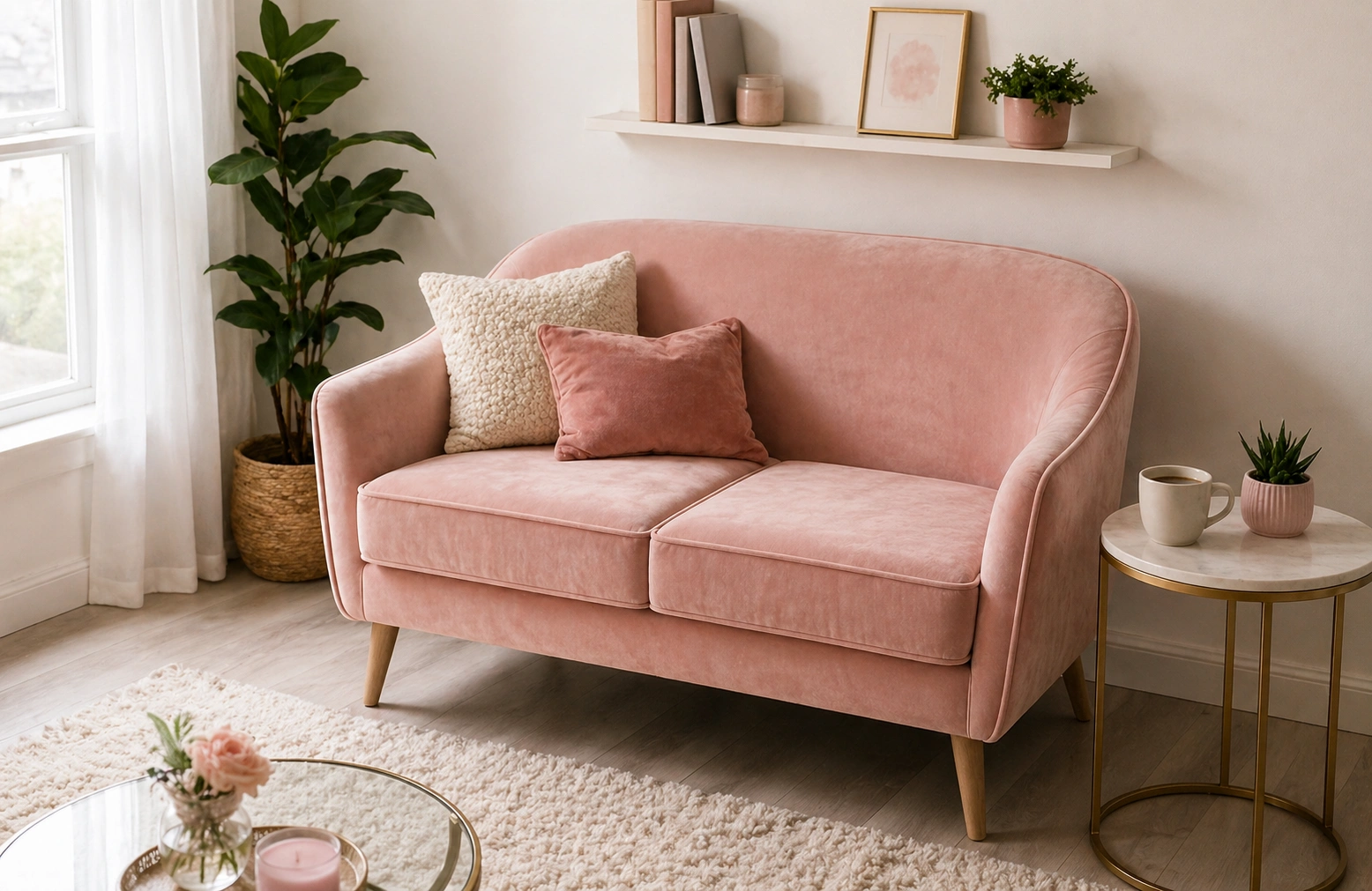
Velvet Loveseat
A loveseat in velvet is perfect for smaller spaces or as an accent piece in a larger room. Great for adding a pop of color without overwhelming the space.

Velvet Curved Sofa
The curved silhouette paired with velvet's shimmery texture creates a sculptural, high-end look. Ideal as a room's focal point in open-plan layouts.
Best Colors for Velvet Sofas
Color choice is arguably more important with velvet than with any other sofa fabric. Because of how the pile catches light, the same color can look dramatically different depending on the velvet type and the lighting in your room. Here are the most popular and practical color options:
Emerald Green
The #1 trending velvet color. Rich, sophisticated, works in both modern and classic rooms.
Navy Blue
Timeless and versatile. Pairs well with brass, wood, and warm neutrals.
Burgundy / Wine
A red-toned velvet that feels warm and regal. Best in rooms with ample natural light.
Charcoal Grey
The most practical dark option. Hides wear well and fits virtually any interior style.
Warm Beige / Cream
For a light-toned sofa that feels inviting. Shows dirt more easily — best with performance velvet.
Forest Green
Deeper and more muted than emerald. A green sofa that pairs beautifully with earth tones and wood furniture.
Midnight Black
Bold and dramatic. A black velvet couch works best in well-lit rooms to avoid a heavy feel.
Blush Pink
Soft and romantic. A pink velvet couch adds warmth without overwhelming. Popular in bedrooms and reading nooks.
Best Rooms for a Velvet Sofa
Velvet isn't equally suited for every room in your home. The fabric's characteristics — its sensitivity to sunlight, its tendency to attract pet hair, and its luxurious feel — make it better suited for certain spaces over others. Here's a room-by-room breakdown:
🏠 Formal Living Room
The natural home for a velvet sofa. Low-to-moderate daily traffic, controlled lighting, and a design-focused atmosphere make this the ideal setting. A living room velvet sofa serves as the room's anchor piece.
🏢 Office or Lobby
Creates an impressive first impression for clients and visitors. An office sofa in velvet signals professionalism and attention to detail. Choose darker colors to hide light use marks.
🛋️ Guest Room
A guest room sofa in velvet adds a boutique-hotel feel. Since it sees intermittent use, even delicate velvet types can work well here. Great opportunity for a bolder color choice.
🎬 Home Theater
Velvet's light-absorbing properties actually help reduce glare in a home theater setting. The plush feel enhances the viewing experience. Dark colors are ideal here.
👶 Family Room — With Caution
Only recommended with performance velvet. A family room sofa sees heavy use, spills, and rough handling. If you go velvet here, choose stain-resistant options and darker colors.
🏠 Apartment — Great Choice
An apartment velvet sofa or a piece for small spaces adds instant personality to a compact area. A velvet loveseat or 2-seater can transform a studio or one-bedroom.
Avoid placing velvet sofas: In direct sunlight (near large windows without curtains), outdoors, in damp basements, or in homes with untrained cats. For outdoor needs, explore outdoor sofas specifically designed for that environment.
Velvet vs Other Sofa Fabrics
Understanding how velvet stacks up against other popular upholstery materials helps you make an informed decision. Each fabric has distinct strengths — the right choice depends on your priorities: aesthetics, durability, ease of maintenance, or budget.
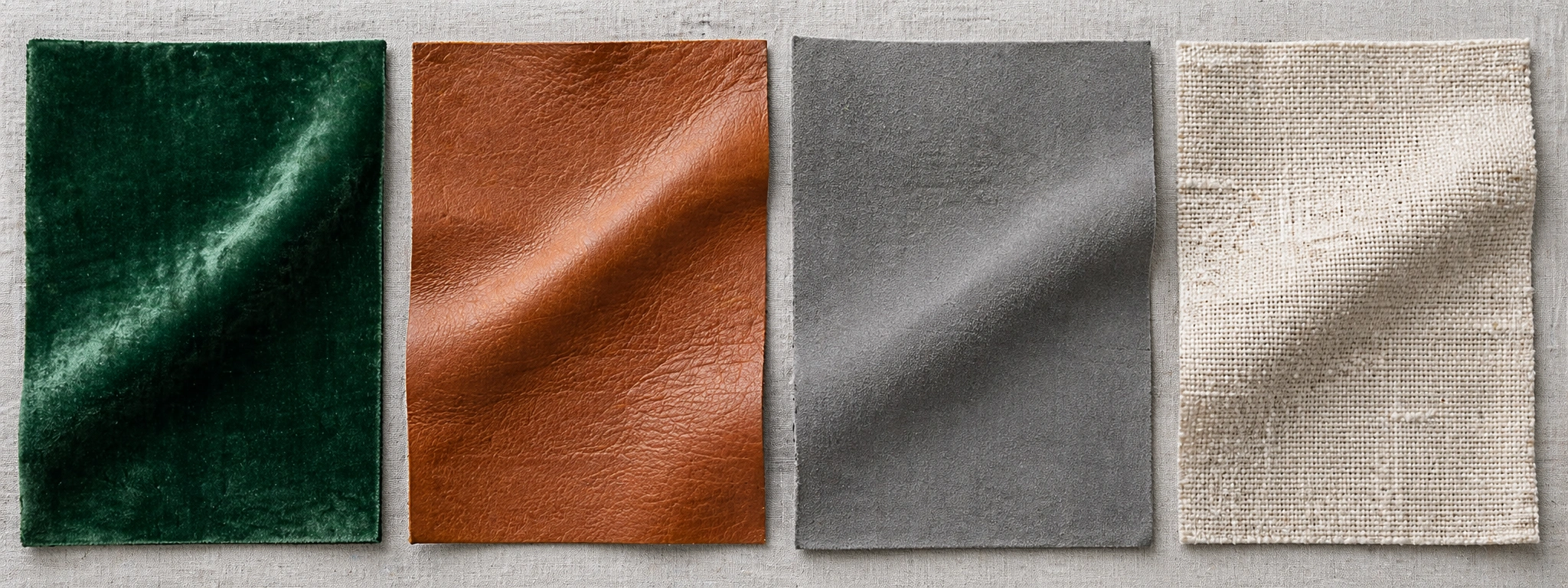
| Feature | Velvet | Leather | Microfiber | Linen |
|---|---|---|---|---|
| Appearance | Luxurious, rich, shimmery | Sleek, polished, classic | Matte, uniform, casual | Natural, textured, relaxed |
| Softness | ★★★★★ | ★★★☆☆ | ★★★★☆ | ★★★☆☆ |
| Durability | ★★★☆☆ (performance: ★★★★☆) | ★★★★★ | ★★★★☆ | ★★☆☆☆ |
| Stain Resistance | ★★☆☆☆ (performance: ★★★★☆) | ★★★★☆ | ★★★★★ | ★☆☆☆☆ |
| Pet Friendly | ★★☆☆☆ (dogs: ★★★☆☆) | ★★★★☆ | ★★★★★ | ★☆☆☆☆ |
| Maintenance | Requires special care | Easy wipe-down | Very easy | Professional clean only |
| Price Range (USD) | $600 – $1,500 | $1,200 – $4,000+ | $250 – $900 | $700 – $1,800 |
| UV Resistance | Poor to moderate | Moderate | Moderate | Poor |
| Breathability | Moderate | Poor (hot in summer) | Good | Excellent |
For a deeper head-to-head analysis, check out our comprehensive leather vs fabric sofa comparison. If durability and low maintenance are your top priorities and velvet doesn't seem like the right fit, our guide to the most durable sofa fabrics can help you explore alternatives.
Durability & What to Look For When Buying
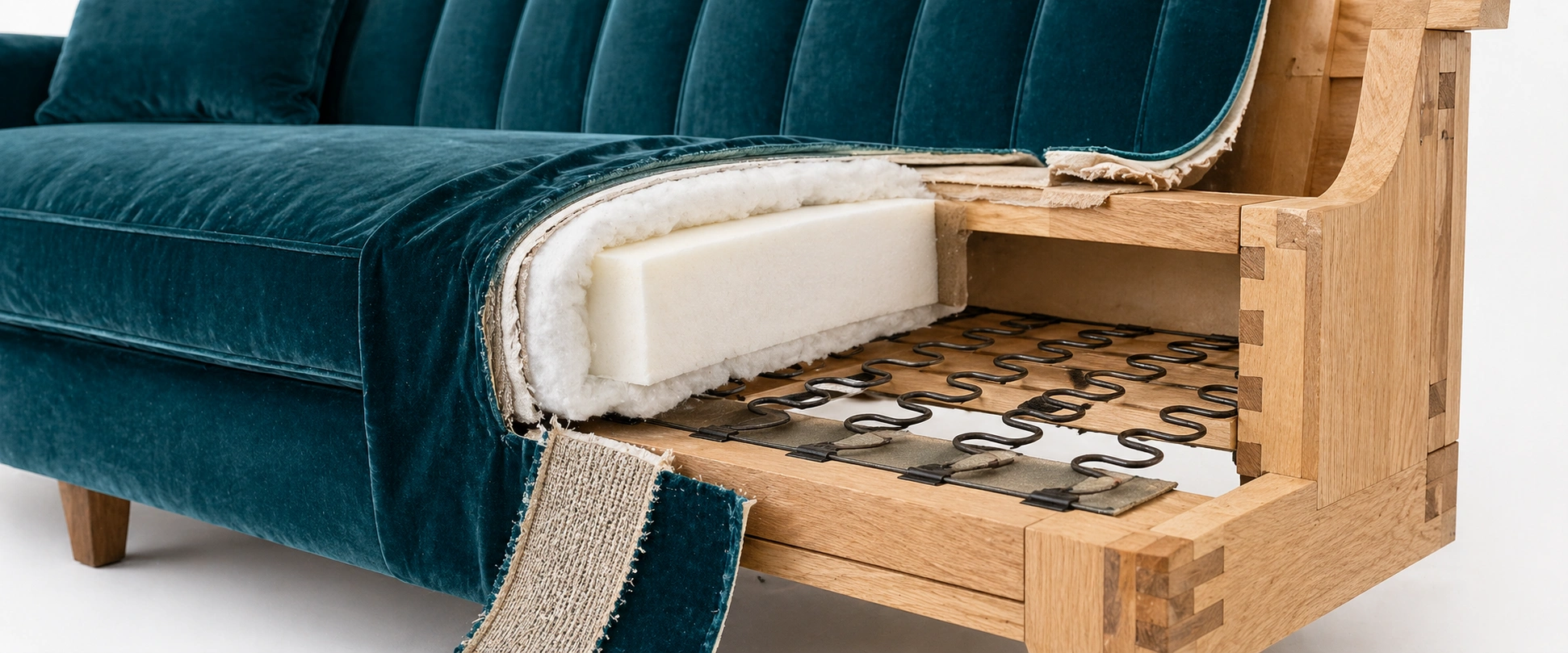
A velvet sofa's longevity depends on far more than just the fabric. The frame construction, cushion fill, and suspension system all play equally important roles. Before you buy, use this checklist to evaluate any velvet sofa you're considering:
🛒 Velvet Sofa Buying Checklist
- Martindale abrasion rating: Minimum 30,000 cycles for moderate use, 50,000+ for heavy use. Ask the seller or check the product specifications. Learn more about the Martindale test.
- Fabric type: Confirm whether it's polyester, cotton, silk, or performance velvet. Don't assume — product descriptions sometimes use "velvet" loosely for velour or plush fabrics.
- Frame material: Kiln-dried hardwood (oak, maple, birch) is ideal. Avoid softwoods like pine for the main frame. See our frame materials guide for details.
- Cushion fill: High-resilience foam (density 1.8+ lbs/cu ft) wrapped in fiber or down offers the best balance of comfort and longevity. Read about cushion fill types.
- Suspension system: Eight-way hand-tied springs are premium; sinuous (S-shaped) springs are acceptable for budget options. Learn about sofa suspension types.
- Color fastness: Check if the fabric is solution-dyed (color goes all the way through the fiber) or piece-dyed (surface color only). Solution-dyed velvet resists fading significantly better.
- Pile direction: Look for "matched pile" or "directional pile" information. All cushions and panels should have the pile running in the same direction to prevent visible color differences.
- Care code: Should be labeled W (water-based cleaner), S (solvent cleaner), or WS (both). Avoid velvet with code X (professional cleaning only) for a sofa that will see regular use.
- Warranty: Look for at least a 2-year warranty on the fabric and 5+ years on the frame. Some manufacturers offer separate fabric warranties.
- Size proportion: Measure your space carefully using our sofa size and room guide. Velvet sofas often appear bulkier than their actual dimensions due to the plush texture.
Budget reality check: A quality velvet sofa typically costs between $500 and $2,500. Under $500, you're likely getting low-density foam, a weak frame, or thin velvet that will pill and crush quickly. Between $500-$1,000, you'll find decent mid-range options with polyester velvet. Above $1,000, expect performance velvet, solid hardwood frames, and premium cushion fills. For a broader perspective, see our sofa budget guide.
How to Clean & Maintain a Velvet Sofa
Proper maintenance is the single biggest factor in how long your velvet sofa will look good. The good news is that with the right techniques, velvet care isn't as difficult as its reputation suggests. The key is understanding the fabric's pile direction and using the correct tools and methods.
Daily & Weekly Maintenance
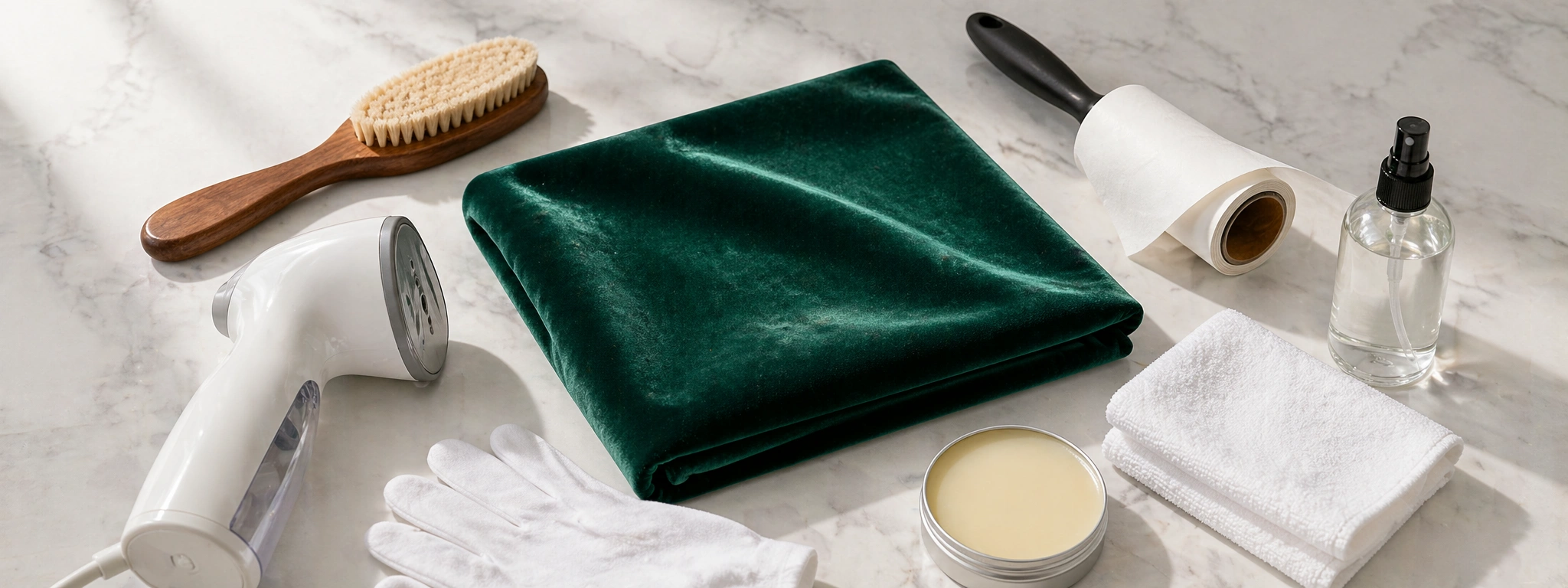
- Brush the pile: Use a soft-bristled velvet brush or a clean, dry cloth to gently stroke the fabric in the direction of the nap. This removes dust, restores the pile's direction, and prevents matting. Do this once a week.
- Vacuum regularly: Use a vacuum with a soft brush attachment (never the bare nozzle) on a low suction setting. Vacuum in the direction of the pile to pull out dust, crumbs, and pet hair without damaging the weave.
- Remove pet hair promptly: Use a lint roller, rubber glove, or velvet-specific hair removal tool. Don't let hair build up — it presses into the pile over time and becomes much harder to remove.
- Rotate and flip cushions: Every 1-2 weeks, rotate seat cushions and flip them if they're reversible. This ensures even wear and prevents permanent crushing in high-traffic spots. If you notice sagging cushions, address it early.
- Protect from sunlight: Use curtains, blinds, or UV-protective window film. UV protection for sofas is especially important for velvet. Even a few hours of daily direct sun can cause noticeable fading within months.
Dealing with Spills & Stains
- Act immediately: The faster you address a spill, the better the outcome. Blot (never rub) the spill with a clean, dry cloth to absorb as much liquid as possible.
- Check the care code: Code W means you can use water-based cleaners. Code S requires solvent-based cleaners only. Code WS means either is acceptable. Code X means professional cleaning only.
- For water-safe velvet (Code W/WS): Mix a few drops of mild dish soap with distilled water. Dampen a clean cloth (not soaking wet) and gently dab the stain, working from the outside in. Follow with a clean damp cloth to remove soap residue.
- For solvent-only velvet (Code S): Use a dry-cleaning solvent applied to a cloth, not directly to the fabric. Dab gently and allow to air dry completely.
- Steam for crushing marks: Hold a garment steamer 2-3 inches from the crushed area and move it slowly. The steam loosens the pile fibers. Immediately after steaming, gently brush the pile back into its natural direction. Do not press the steamer against the fabric.
Never do these things to velvet: Never use harsh chemical cleaners, bleach, or abrasive sponges. Never scrub or rub the fabric vigorously. Never apply water to silk velvet. Never place a velvet sofa in direct sunlight without protection. Never iron velvet directly. For comprehensive care instructions, read our detailed guide on how to clean a velvet sofa.
Frequently Asked Questions About Velvet Sofas
Ready to find your perfect velvet sofa? Now that you understand the fabric types, durability factors, care requirements, and style options, browse our curated selection of top-rated velvet sofas below. Each recommendation has been evaluated for build quality, fabric performance, value for money, and customer satisfaction. If you're still comparing options, explore our top 10 sofas list or check the complete sofa buying guide.