Martindale Test: The Complete Guide to Fabric Durability Scores
Understand the numbers behind sofa fabric strength so you can invest in upholstery that truly lasts — no guesswork required.
VIEW SCORE CHARTKey Takeaway: The Martindale test (also known as the Martindale abrasion test) measures how many rubs a fabric can withstand before showing visible wear. A score of 20,000+ rubs is considered suitable for everyday sofas, while 40,000+ is recommended for heavy-use households with kids or pets. This guide explains everything you need to know before buying.
What Is the Martindale Test?
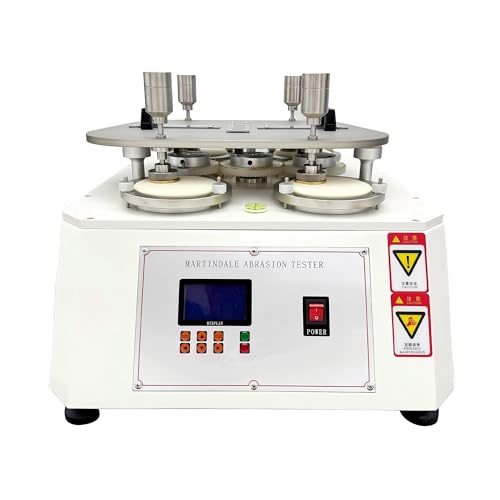
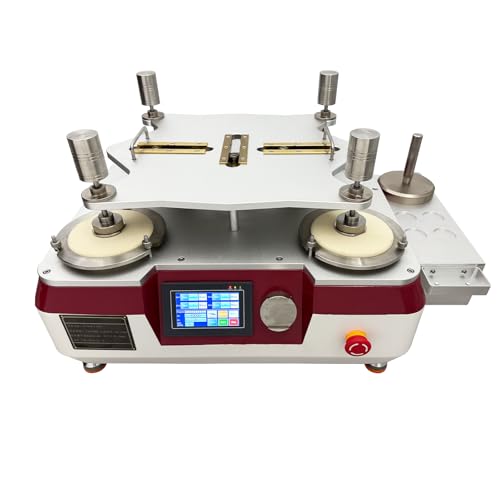
The Martindale test is an internationally recognized method for evaluating the abrasion resistance of woven and knitted fabrics. Developed in the 1940s and standardized under ISO 12947, it simulates years of everyday use by rubbing a piece of abrasive wool cloth against the test fabric in a circular motion known as a Lissajous figure (a figure-eight pattern). The test counts how many cycles (or "rubs") the fabric endures before it shows visible signs of wear — typically defined as two or more broken threads.
When you're shopping for a new fabric sofa, the Martindale score is one of the most reliable indicators of whether the upholstery will hold up over time. Unlike marketing claims that describe a fabric as "durable" or "heavy-duty," the Martindale test provides an objective, measurable number that allows you to compare fabrics directly.
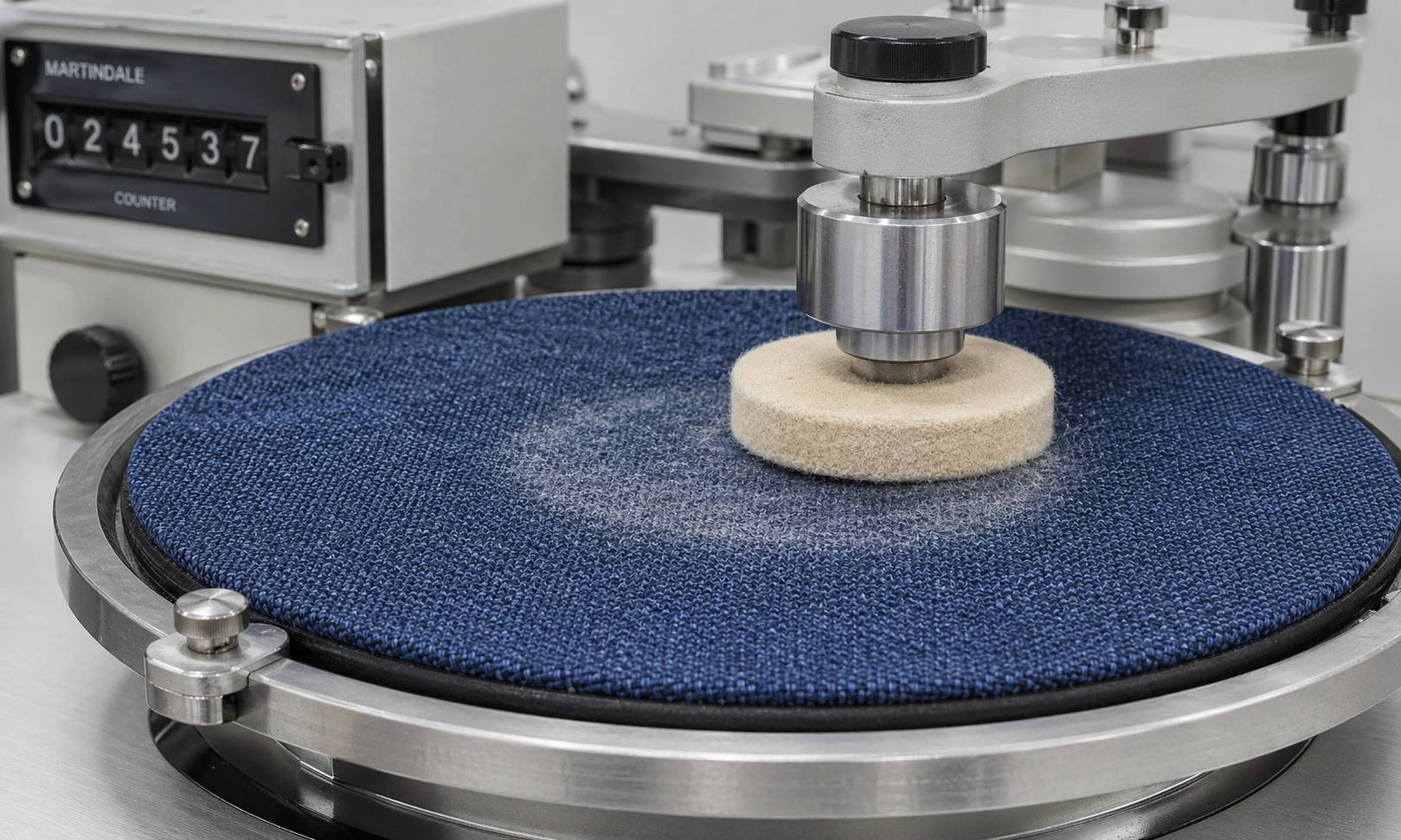
The test is conducted on fabric samples under controlled laboratory conditions. Each sample is mounted on the machine, and a weighted abrasive pad is pressed against it. The machine then runs continuously, counting each complete Lissajous cycle as one rub. The process continues until the fabric fails — either by developing a hole, showing two or more broken yarns, or experiencing a significant change in appearance.
Important: The Martindale test measures abrasion resistance, not overall fabric quality. A high score doesn't guarantee resistance to tearing, fading, pilling, or staining. Always consider the Martindale score alongside other factors like cushion fill quality, colorfastness ratings, and stain protection treatments.
How the Martindale Test Works: Step by Step
Understanding the testing process helps you interpret the numbers with confidence. Here's exactly what happens during a standard Martindale abrasion test:
- 1. Sample Preparation: A circular fabric specimen (typically 38mm or 140mm diameter) is cut and mounted flat on the testing platform.
- 2. Abrasive Loading: Standard abrasive wool felt is placed over the sample. A weight (usually 9 kPa pressure) is applied from above to simulate the pressure of a person sitting.
- 3. Circular Rubbing: The machine moves the abrasive pad in a Lissajous (figure-eight) pattern. Each complete figure-eight cycle counts as one "rub."
- 4. Continuous Monitoring: The fabric is periodically inspected for signs of wear — broken threads, thinning, or hole formation.
- 5. Result Recording: The test ends when the fabric reaches the defined failure point (typically two broken threads), and the total rub count is recorded as the Martindale score.
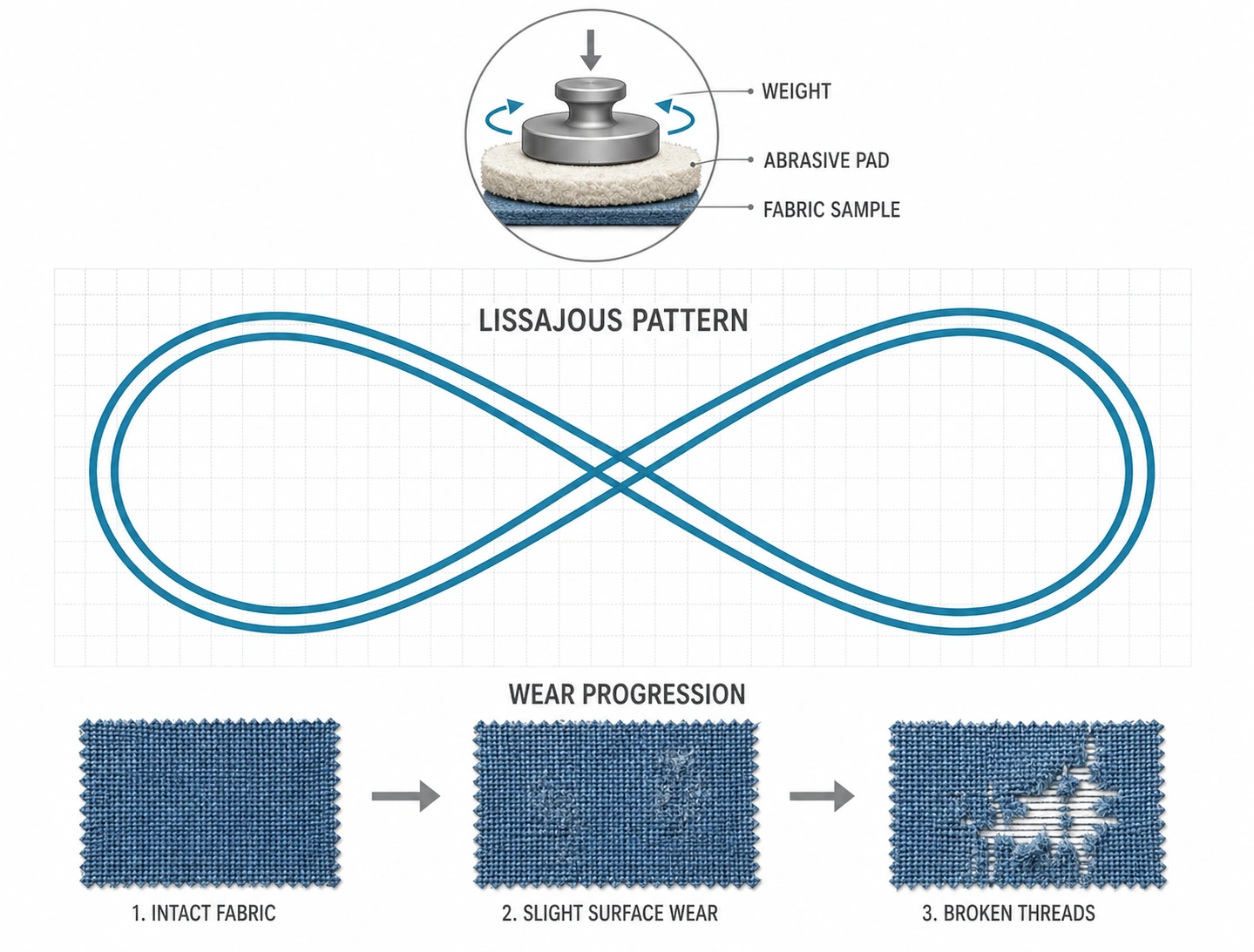
The entire test can take anywhere from a few hours to several days depending on the fabric's durability. A delicate silk might fail at just a few hundred rubs, while an industrial-grade synthetic could exceed 100,000 rubs without significant wear. For sofa upholstery, the sweet spot typically falls between 15,000 and 60,000 rubs, depending on your household's needs.
Martindale Score Chart: What the Numbers Mean
Martindale scores are divided into four general categories. Understanding these tiers helps you quickly assess whether a fabric is appropriate for your intended use:
| Durability Level | Rub Count | Suitable For | Rating |
|---|---|---|---|
| Light Domestic | 5,000 – 10,000 | Decorative pillows, occasional chairs, bedroom accents | Light Use |
| Moderate Domestic | 10,000 – 20,000 | Living room sofas with light daily use, guest rooms | Moderate |
| Heavy Domestic | 20,000 – 40,000 | Main living room sofas, family rooms, daily use | Heavy Duty |
| Very Heavy / Commercial | 40,000+ | Homes with kids & pets, offices, hotels, waiting areas | Extreme |
Pro Tip: Always aim slightly above your minimum requirement. If your household has moderate use, choosing a fabric rated at 25,000 rubs instead of 15,000 gives you a meaningful durability buffer that can add years to your sofa's lifespan.
What Martindale Score Do You Actually Need?
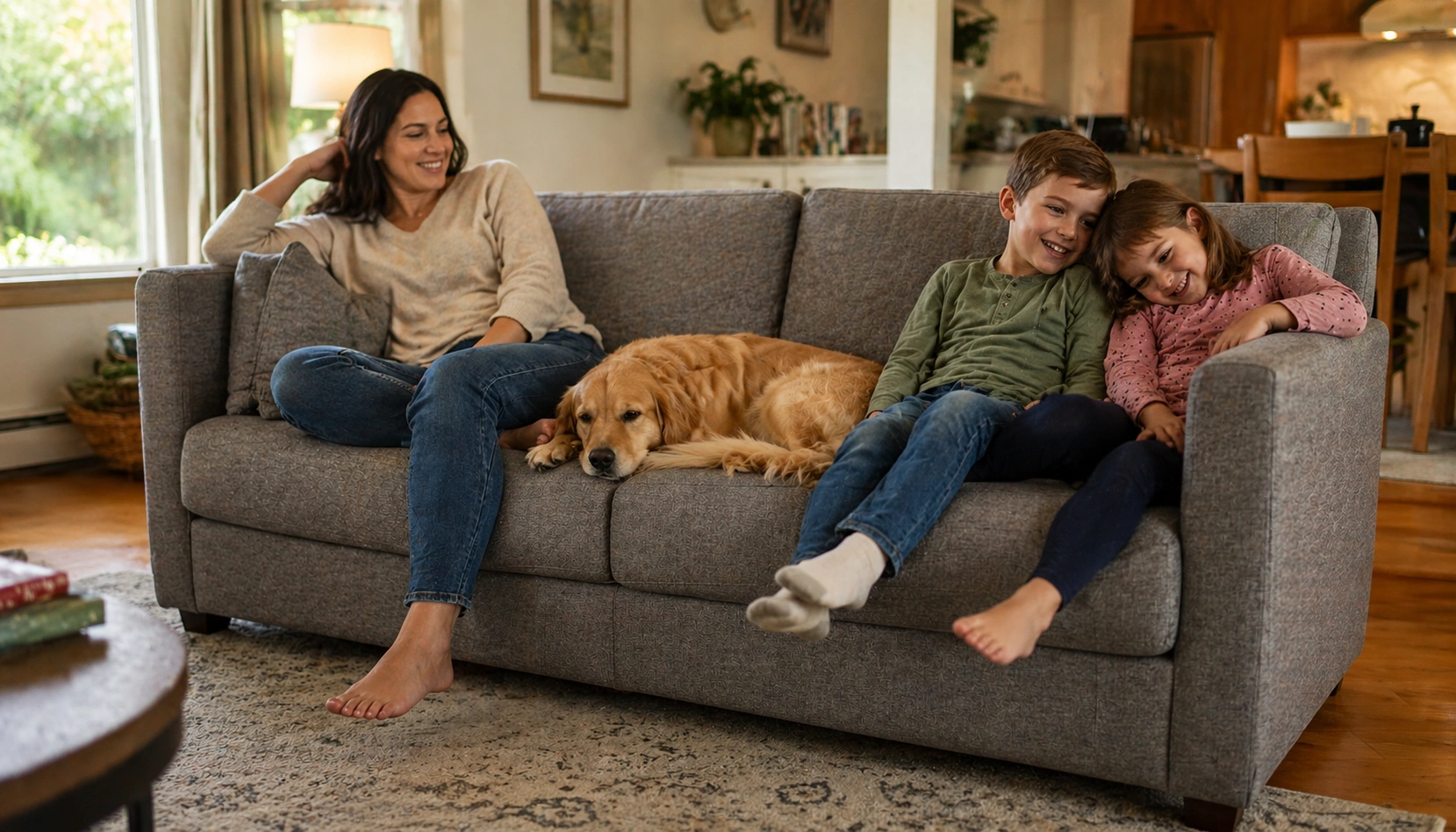
The "right" score depends entirely on your living situation. A sofa in a formal living room that's rarely used has vastly different demands than one in a busy family room where kids, dogs, and daily life converge. Here's a practical breakdown:
Formal / Guest Living Room
Low-traffic spaces where the sofa is used occasionally for guests. Prioritize aesthetics over extreme durability. Velvet, linen, and delicate weaves work well here.
Main Living Room (Adults Only)
Daily use by 1–3 adults. Standard upholstery fabrics like cotton-poly blends, treated linen, and medium-weight synthetics offer the right balance of comfort and resilience.
Family with Children
Kids climb, jump, and spill. Look for family-friendly sofas with performance fabrics, tight weaves, and stain-resistant treatments. Microfiber and treated polyester excel here.
Homes with Pets
Claws, scratching, and shedding demand maximum durability. Pet-friendly sofas should use tight-weave synthetics like Crypton or tightly woven polyester. Avoid loosely woven fabrics and delicate textures.
Home Office / Study
An office sofa sees consistent but gentle use. Mid-range scores work perfectly, and you can prioritize a professional appearance.
Commercial / Public Spaces
Hotels, lobbies, and waiting area sofas face non-stop use from strangers. Only the most heavy-duty contract-grade fabrics qualify. Look for "contract quality" or "EN 16139" certification.
Typical Martindale Scores by Fabric Type
Different materials naturally achieve different Martindale scores due to their fiber composition, weave structure, and surface treatment. Here's what you can typically expect from common sofa fabrics. Keep in mind that these are general ranges — specific products may score higher or lower depending on manufacturing quality.
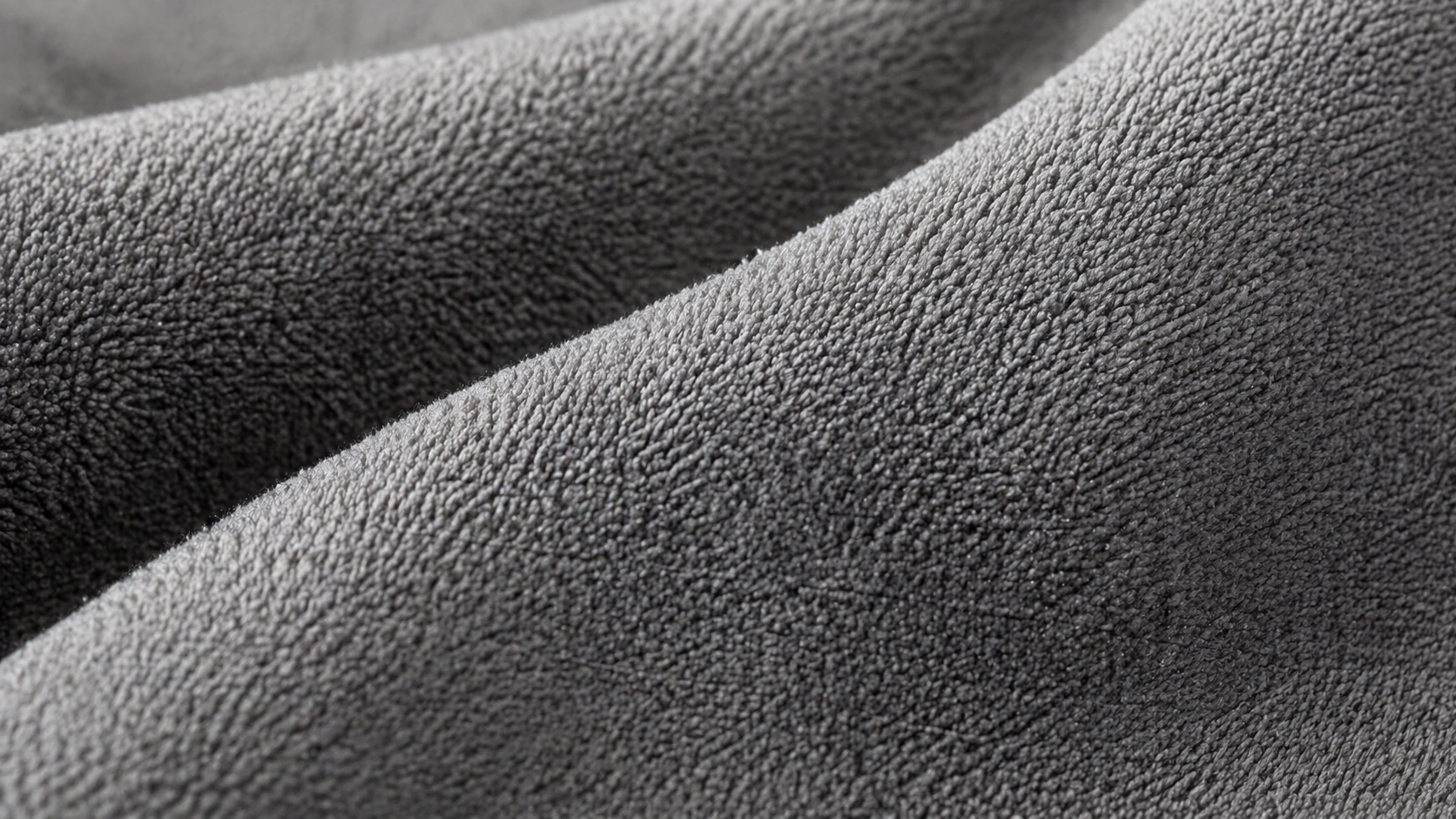
Microfiber
One of the most durable options available. Ultra-fine polyester fibers create a dense, tight surface that resists abrasion exceptionally well. A microfiber couch is ideal for high-traffic homes and pet owners.

Polyester
Widely used and versatile. Standard polyester scores moderately well, while performance polyester (like Crypton or Revolution) can exceed 50,000 rubs with added stain and water resistance.

Cotton & Cotton-Linen Blends
Natural and breathable but less abrasion-resistant than synthetics. Cotton-linen blends score better than pure cotton. Best suited for moderate-use linen sofas in adult households.
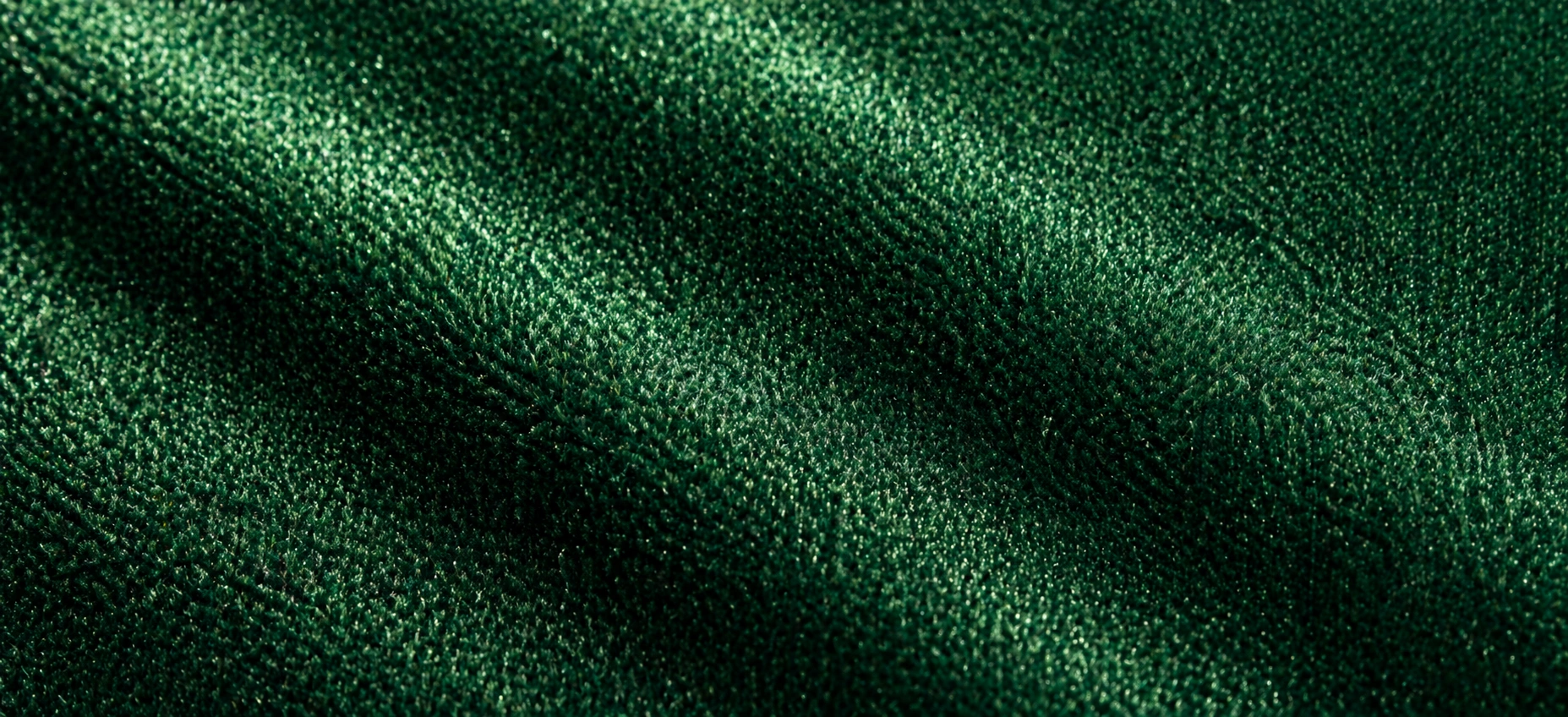
Velvet
Varies enormously by type. Silk velvet may score as low as 10,000, while modern polyester or performance velvet can reach 40,000+. Always check the specific velvet sofa product's Martindale rating before purchasing.
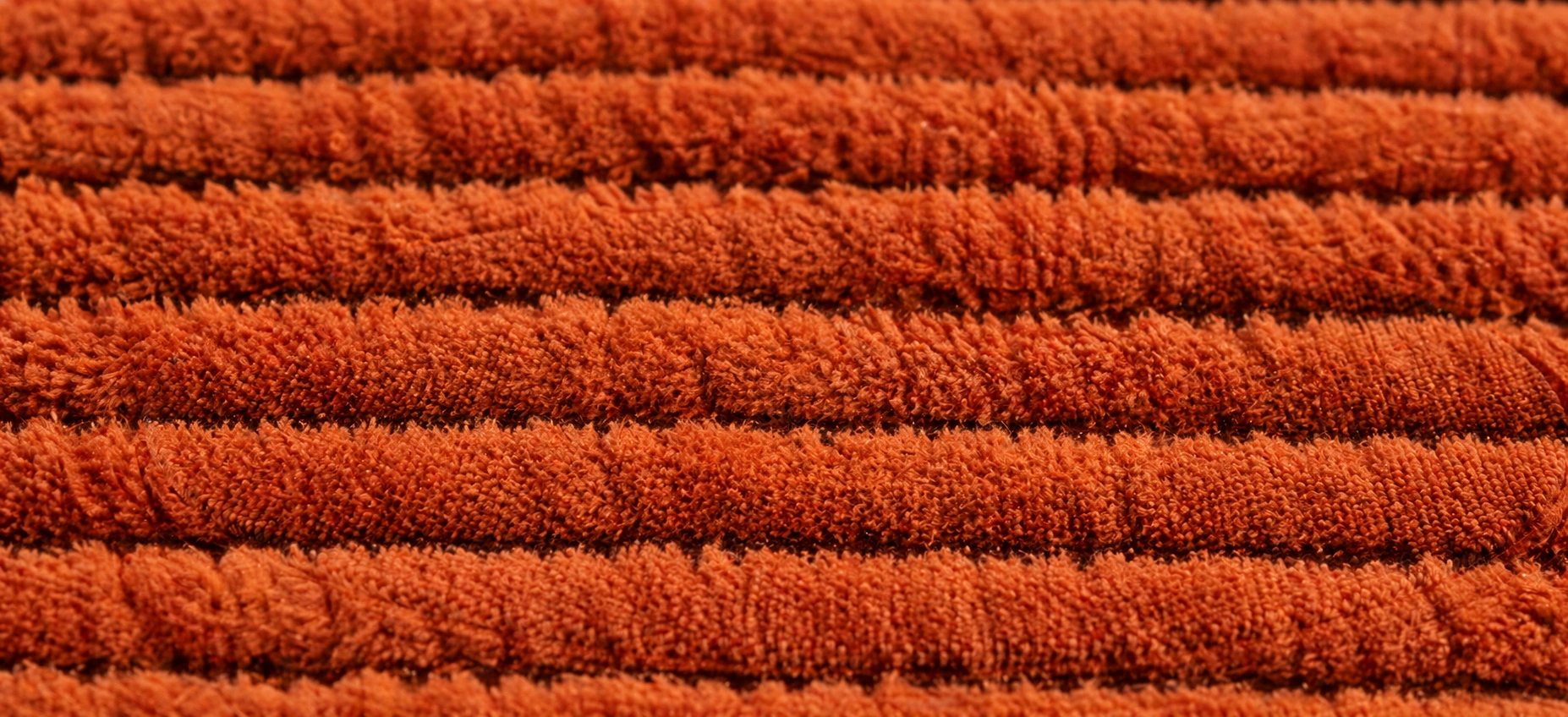
Chenille
Soft and inviting but its pile construction makes it vulnerable to abrasion and flattening. Suitable for moderate-use settings. Regular rotation of cushions can help extend its life.
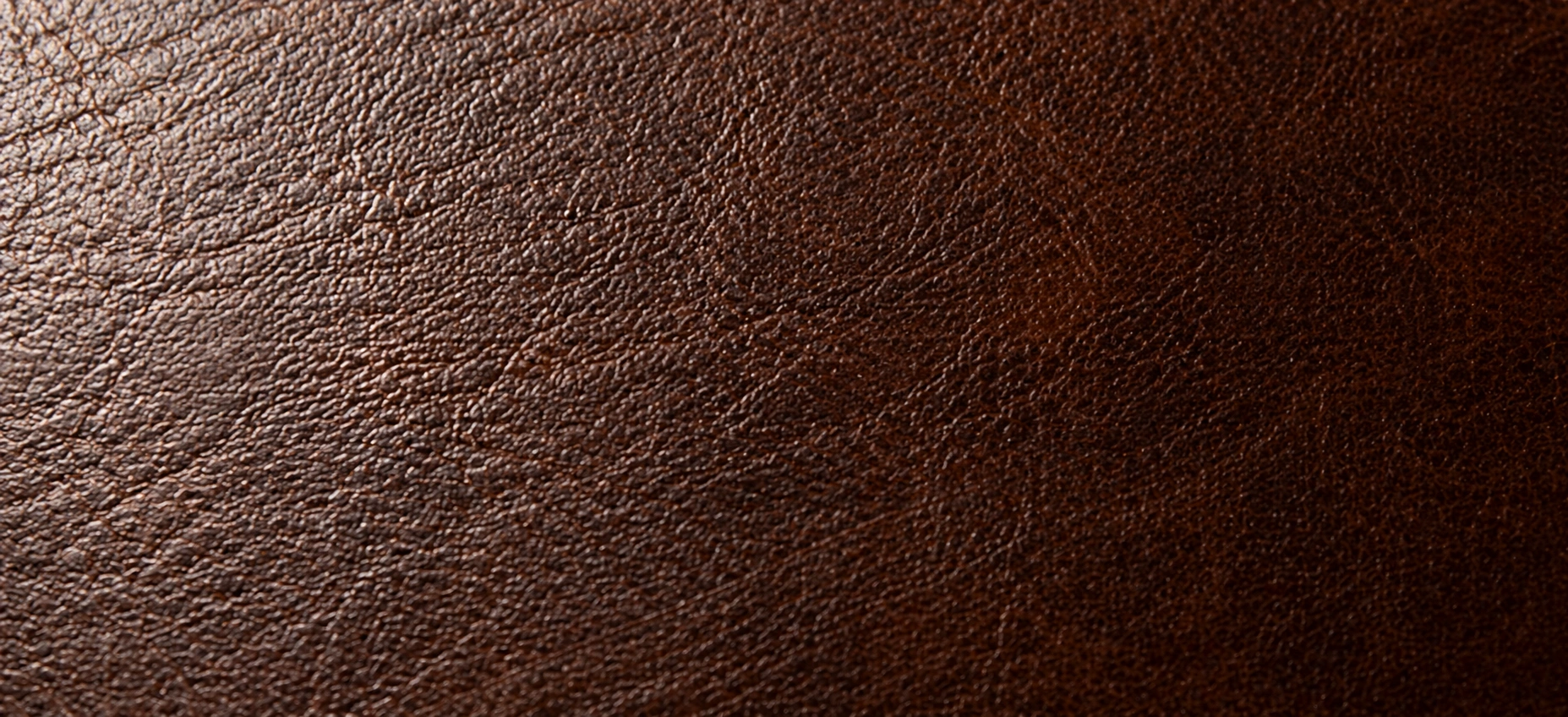
Leather (Not Tested)
The Martindale test is designed for woven and knitted textiles — it does not apply to leather. Leather durability is assessed differently through flex tests, rub tests (like the Bally test), and leather grading systems.
Don't confuse Martindale with leather ratings: If you're deciding between a leather vs fabric sofa, note that leather uses entirely different durability testing methods. A Martindale score only applies to textile upholstery. For leather, look for flex endurance ratings and grain type instead.
Martindale vs. Wyzenbeek: What's the Difference?
If you've been researching fabric durability, you've likely encountered both the Martindale and Wyzenbeek tests. These are the two most common abrasion tests in the upholstery industry, but they work differently and their scores are not directly interchangeable. Understanding the distinction prevents costly misinterpretations.
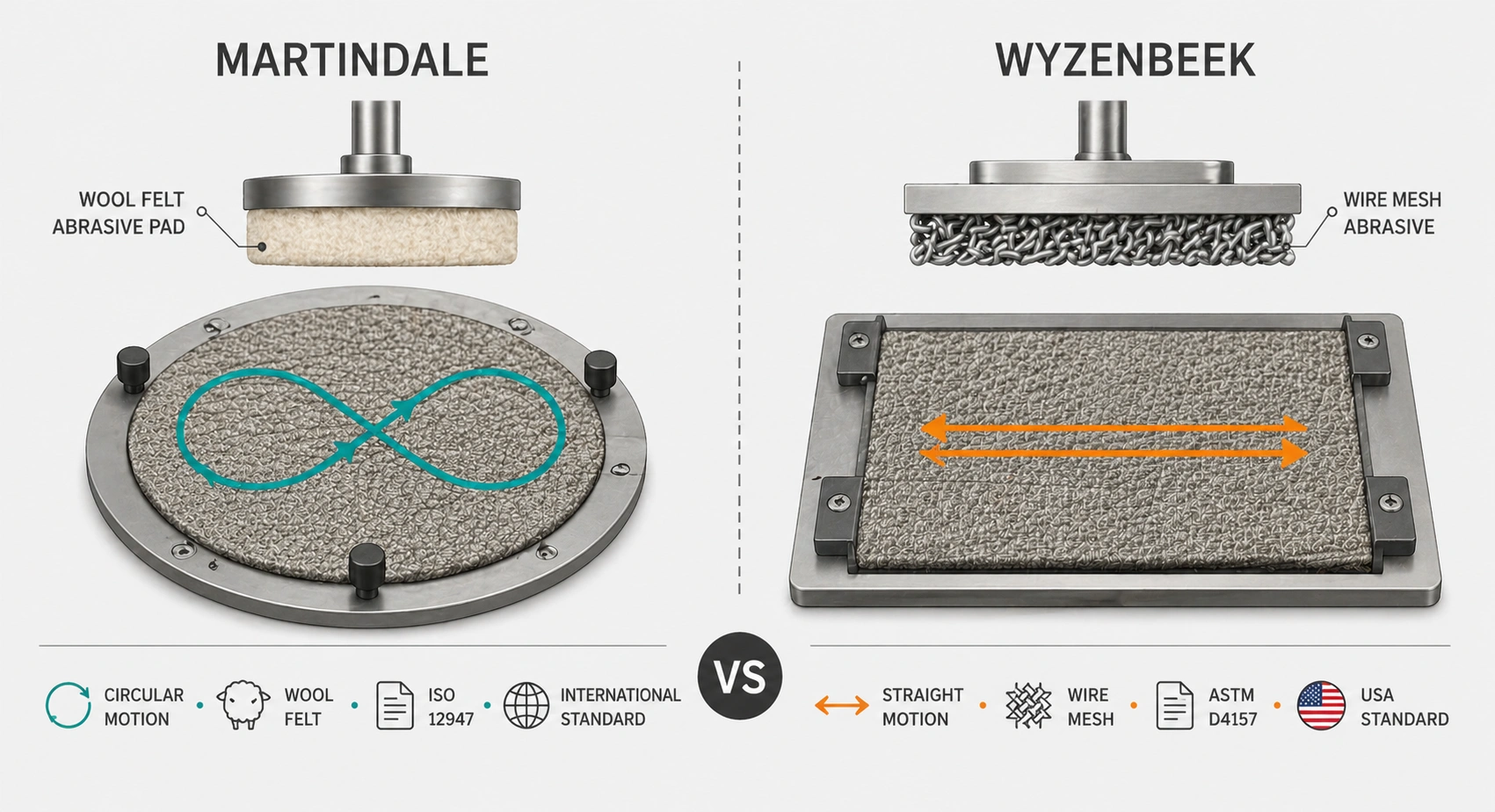
Martindale Test (ISO 12947)
- Circular figure-eight (Lissajous) rubbing motion
- Uses abrasive wool felt as the rubbing surface
- Internationally recognized (ISO standard)
- Widely used in Europe, Asia, and Australia
- Generally produces lower numbers for the same fabric
- Failure point: typically 2 broken threads
- Considered more realistic for multi-directional wear
Wyzenbeek Test (ASTM D4157)
- Straight back-and-forth rubbing motion
- Uses wire mesh (or sometimes cotton duck) as abradant
- American standard (ASTM)
- Primarily used in the United States
- Generally produces higher numbers for the same fabric
- Failure point: typically 2 broken threads
- Tests abrasion in a single direction only
| Use Category | Martindale (rubs) | Wyzenbeek (double rubs) |
|---|---|---|
| Light / Decorative | 5,000 – 10,000 | 3,000 – 9,000 |
| Moderate Domestic | 10,000 – 20,000 | 9,000 – 15,000 |
| Heavy Domestic | 20,000 – 40,000 | 15,000 – 30,000 |
| Commercial Grade | 40,000+ | 30,000+ |
Rule of thumb: A fabric that scores 30,000 on the Martindale test will generally score higher on the Wyzenbeek test for the same sample — but you cannot convert between the two with a simple formula. If a retailer only provides a Wyzenbeek score, use the comparison table above as a rough guide, but always confirm which test was used.
How to Check Martindale Scores When Shopping for a Sofa
Unfortunately, many sofa retailers don't prominently display Martindale scores on their product pages. Here's how to find this critical information and verify sofa quality before you buy:
- Ask the retailer directly: Request the Martindale score for the specific fabric you're interested in. Reputable sellers should have this data from their suppliers. If they can't provide it, that's a red flag about their transparency.
- Check the fabric swatch card: When ordering fabric samples (which you absolutely should), the swatch card often includes the Martindale score, composition, and care instructions printed on the back.
- Look for "contract grade" or "EN 16139" labels: These certifications guarantee the fabric has passed specific durability tests, including abrasion resistance, and is suitable for commercial use — meaning it will easily handle residential demands.
- Search the fabric manufacturer's website: Many upholstery fabric producers (like Kvadrat, Gabriel, Maharam, Camira) publish detailed spec sheets with Martindale scores for every fabric in their catalog.
- Read independent reviews: Look for long-term reviews from verified buyers who mention fabric wear after months or years of use. Real-world performance sometimes differs from lab results.
- Be cautious with custom orders: When choosing fabric for a custom sofa, always confirm the Martindale score before placing your order. Custom upholstery is typically non-returnable, so this number matters more than ever.

Common Myths About the Martindale Test
Misunderstandings about the Martindale test can lead to poor buying decisions. Let's clear up the most prevalent myths:
Beyond the Martindale Score: Other Durability Factors
While the Martindale score is an essential data point, it's just one piece of the puzzle. A truly durable sofa depends on multiple factors working together. When evaluating your next purchase, consider these equally important aspects:
- Pilling Resistance (ISO 12945-2): Measures how prone a fabric is to forming those annoying little fuzz balls. Look for a rating of 4 or 5 (on a 1–5 scale) for best results.
- Colorfastness to Light (ISO 105-B02): Rates how well fabric resists fading from sunlight exposure. A rating of 5+ out of 8 is recommended for sofas near windows. Also consider UV protection for your sofa.
- Colorfastness to Rubbing (ISO 105-X12): Tests whether fabric color transfers when rubbed. Important if you wear light-colored clothing or have light-colored walls near the sofa.
- Tear Strength (ISO 13937): Measures the force required to tear the fabric. Important for homes with pets where claws might snag the upholstery.
- Seam Slippage (ISO 13936): Tests whether seams hold under stress. Poor seam slippage ratings mean the fabric may pull apart at the stitches even if the fabric itself is strong.
- Frame & Suspension Quality: Even the most durable fabric won't save a sofa with a weak frame. Read about sofa frame materials and spring systems for a complete picture.
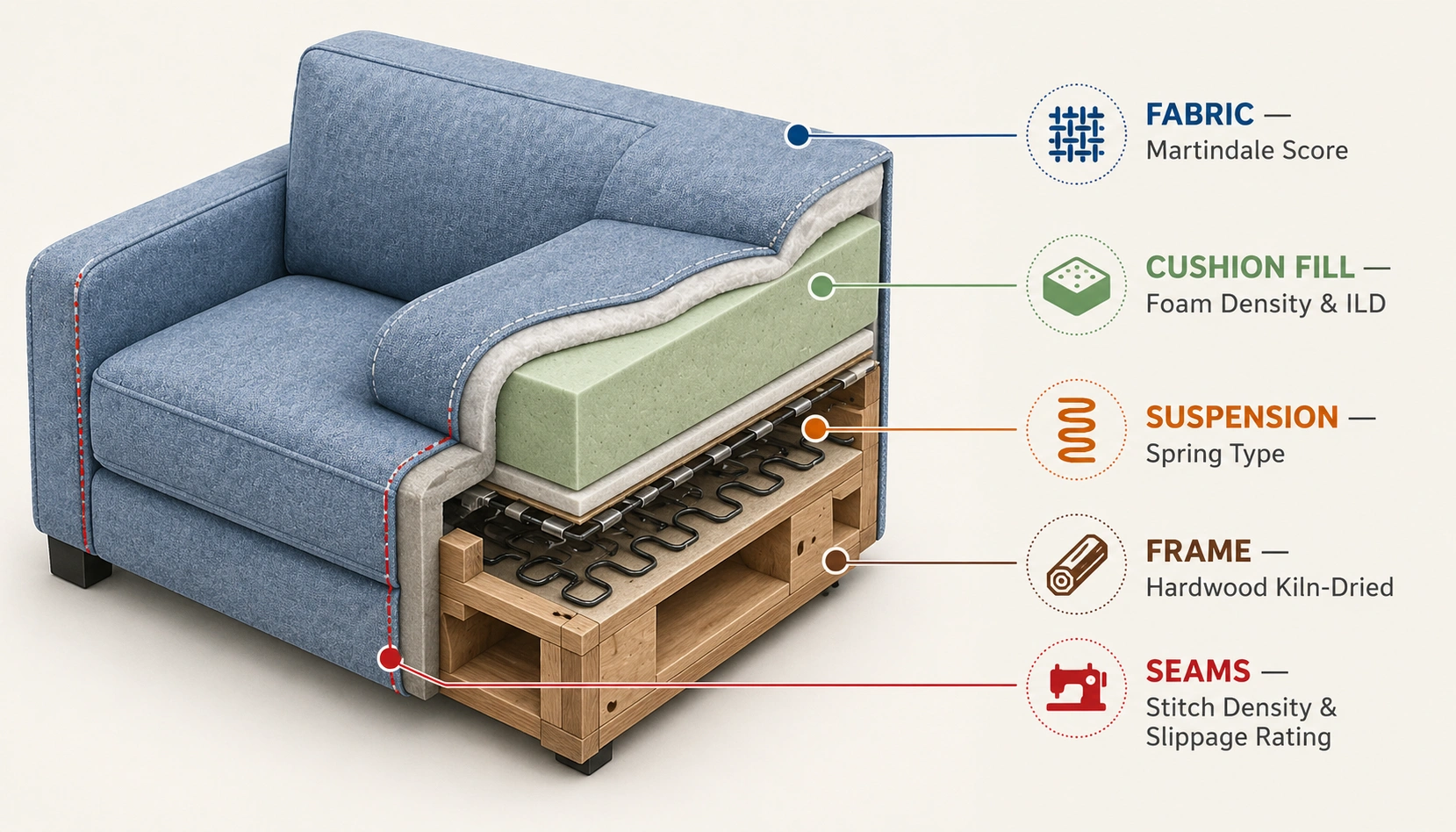
The Bottom Line: Think of the Martindale score as the fabric's "engine" rating. A powerful engine matters, but so does the chassis (frame), suspension (springs), transmission (seams), and body (cushion fill). Evaluate the whole system for the best long-term investment. Our comprehensive sofa buying guide walks you through every factor.