
Best Sofas for Families with Kids
A practical guide to finding durable, safe, and easy-to-clean sofas that handle spills, jumping, and everything family life throws at them
VIEW TOP RECOMMENDATIONSPhanMarket Philosophy: Choosing a sofa when you have kids is not just about style — it is about survival. We break down exactly what makes a sofa family-proof so you can invest wisely and avoid costly mistakes. Learn first, then buy with confidence.
Why Families with Kids Need a Different Kind of Sofa
A family sofa endures more wear in one year than a single-person couch might see in five. Between spilled juice boxes, crayon marks, jumping sessions, pet accidents, and movie-night popcorn disasters, the average household with children puts furniture through conditions that would make most showroom samples look pristine by comparison. Understanding these unique demands is the first step toward making a smart purchase.
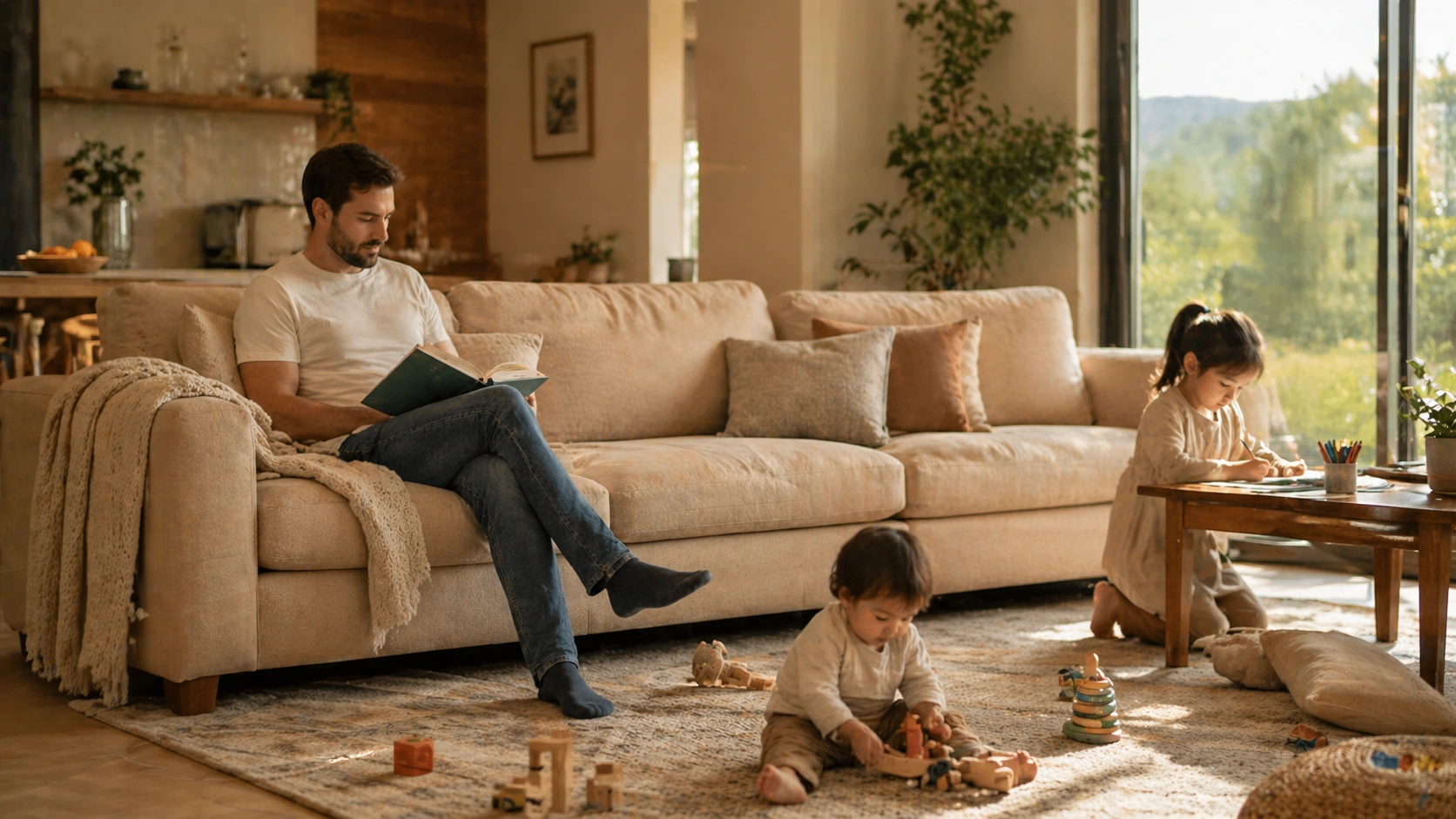
Many parents make the mistake of buying a sofa based solely on appearance, only to discover within months that the fabric stains easily, cushions lose their shape under active use, or the frame creaks ominously when kids use the arms as jungle gym equipment. The gap between a "beautiful" sofa and a "family-ready" sofa comes down to a handful of critical specifications that most salespeople will not volunteer unless you ask.
The good news is that modern furniture technology has advanced dramatically. Performance fabrics that repel stains, high-density foam that resists permanent indentation, and frame construction techniques borrowed from commercial furniture all exist — and many are surprisingly affordable. This guide walks you through every factor that matters so you can cut through marketing noise and find a sofa that genuinely works for your household.
7 Essential Features Every Family Sofa Must Have
After analyzing hundreds of sofas and reviewing feedback from thousands of families, we identified seven non-negotiable features that separate a family-friendly sofa from one that will become a source of frustration. Treat this list as your evaluation checklist when shopping.
Stain-Resistant Fabric
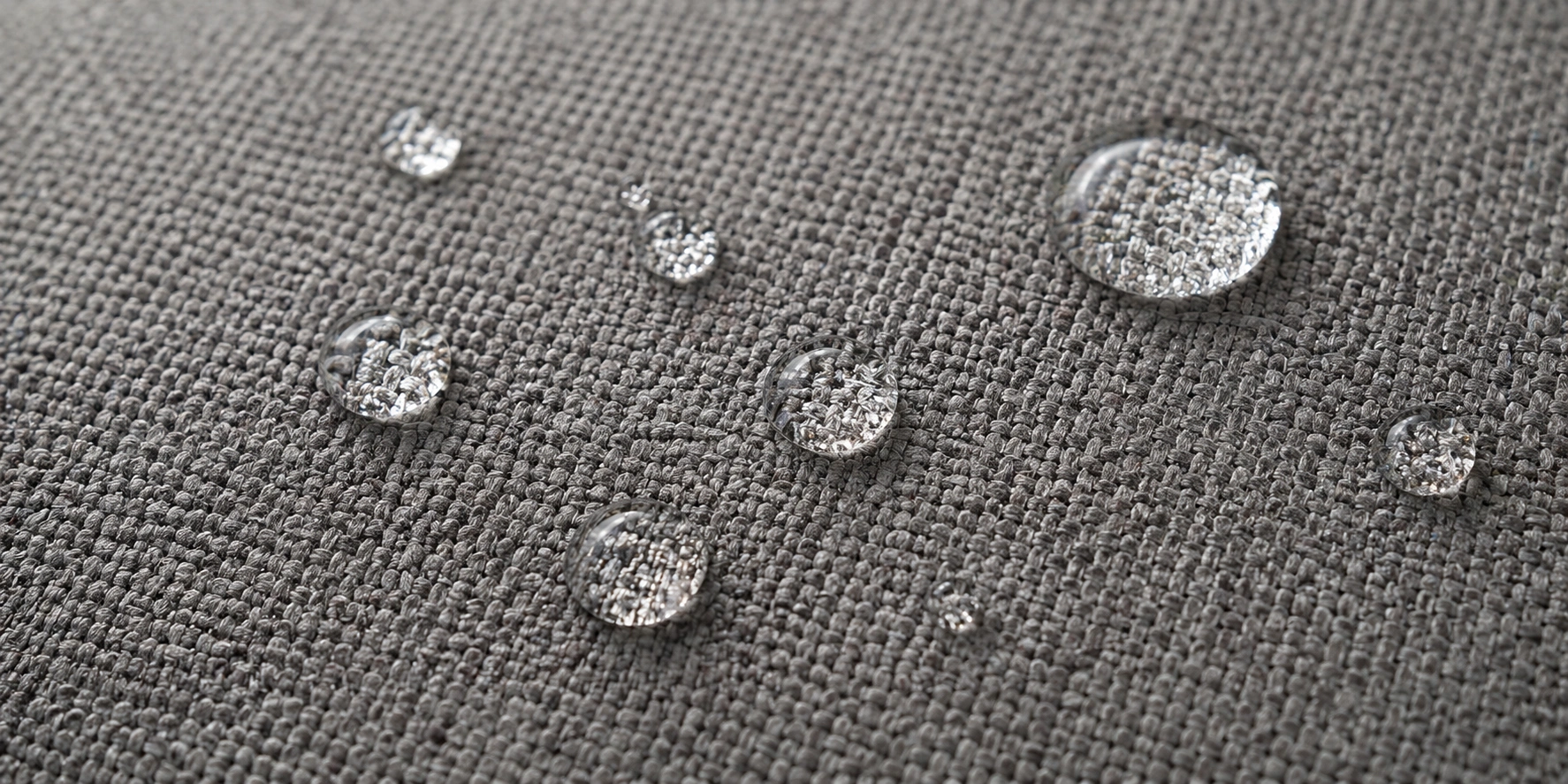
The single most important feature. Performance fabrics like Crypton, Sunbrella, and Revolution are engineered at the fiber level to resist spills, odors, and bacteria. Water beads up on the surface instead of soaking in, giving you time to wipe it away.
Removable & Washable Covers
Even the best stain resistance fails against some messes. Washable sofa covers let you machine-wash slipcovers when deep cleaning is needed, effectively resetting your sofa to near-new condition. This alone can extend sofa life by years.
Kiln-Dried Hardwood Frame
Kids jump, lean, and climb on furniture. A solid hardwood frame (oak, maple, or birch) with dowel-and-corner-block joints withstands this stress. Avoid frames made with particleboard, MDF, or softwoods like pine in load-bearing areas.
High-Density Foam Cushions
Cushions with a core density of 1.8 lb/ft³ or higher resist permanent sagging from repeated sitting and jumping. Foam wrapped in a down or polyester layer offers the ideal balance between firmness and comfort for family use.
Rounded Edges & Corners
Sharp corners and exposed hardware are hazards for toddlers learning to walk. Rounded arm profiles, recessed legs, and padded edges dramatically reduce injury risk. This is a safety feature, not just a design choice.
Smooth, Wipeable Surface
Textured fabrics like bouclé, chenille, and heavily woven linen trap crumbs, pet hair, and dirt in their fibers. Smooth, tightly woven fabrics — or leather — allow you to wipe or vacuum clean in seconds rather than picking debris out by hand.
Hidden Storage Options
Sofas with built-in storage compartments under seats or inside arms are lifesavers for families. They hide blankets, board games, remote controls, and toys, reducing clutter in the living room while keeping essentials within reach.
⚠️ Red Flag: If a sofa description uses words like "delicate," "luxuriously soft weave," "velvety texture," or "dry clean only" — it is almost certainly not suitable for a household with young children, regardless of how beautiful it looks in the photo.
Best Sofa Types for Families with Kids
Not every sofa style works equally well in a family environment. Some designs naturally lend themselves to the demands of household with children, while others are practically engineered to fail. Here are the four types that consistently perform best for families, along with what makes each one a strong choice.

Sectional Sofa
The most popular choice for families. An L-shaped sectional provides abundant seating for the whole family plus friends, eliminates the gap between sofa and chair where toys disappear, and often includes a chaise lounge perfect for reading with kids. The large surface area also distributes wear across more cushions, reducing sagging in any single spot.
Explore Sectionals →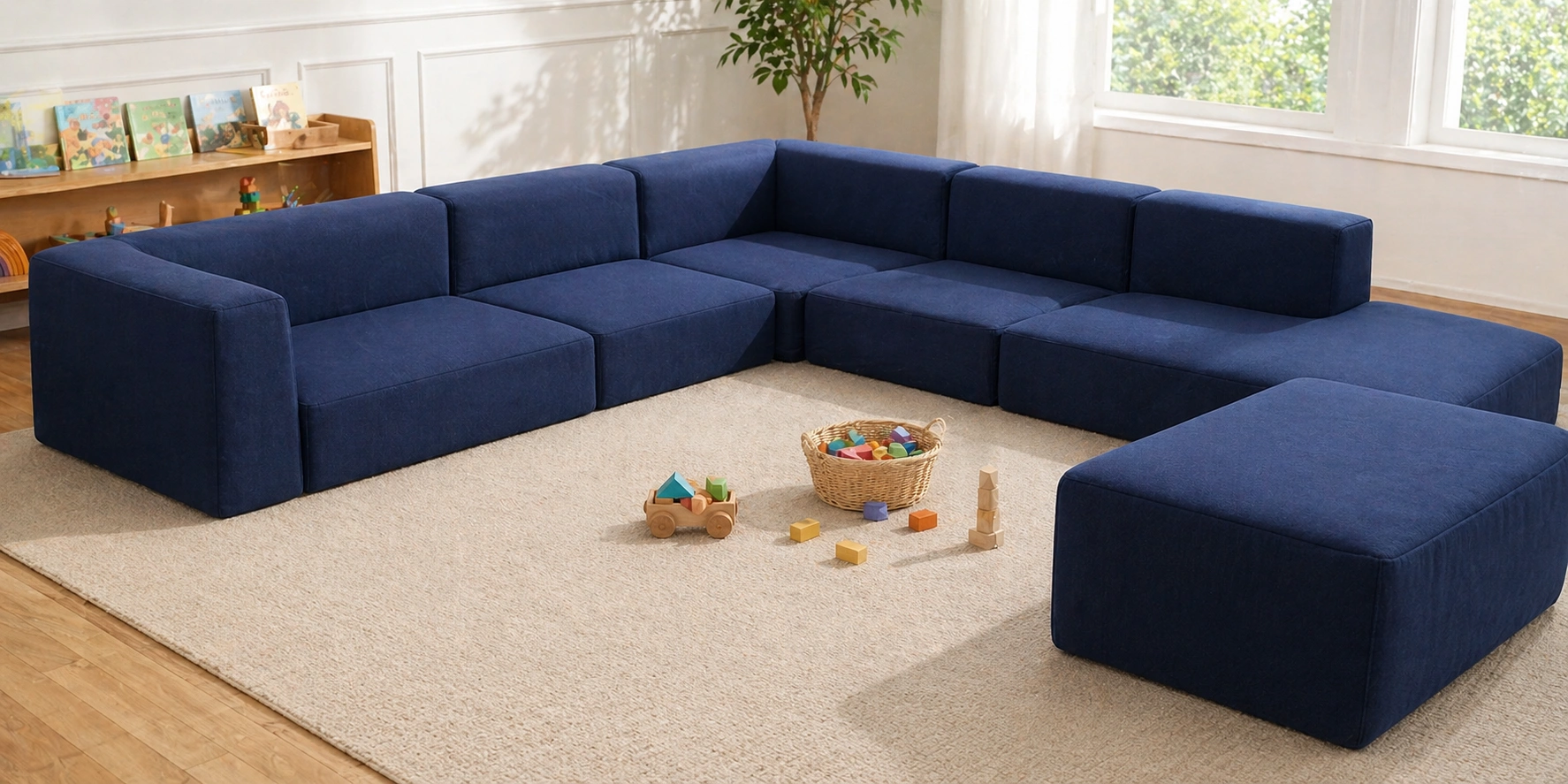
Modular Sofa
A modular sofa adapts as your family grows and changes. Start with two pieces for a small apartment, add more as your family expands, and reconfigure the layout when kids outgrow the "play zone" phase and need more structured seating. Individual pieces are lighter to move during deep cleaning sessions too.
Explore Modular Sofas →
Slipcovered Sofa
The ultimate practical choice. A slipcovered sofa allows you to remove the entire fabric shell and throw it in the washing machine. When covers become too worn after years of use, you can order replacement covers instead of buying a whole new sofa. This single feature can save families thousands of dollars over the sofa's lifetime.
Explore Slipcovered Sofas →
Deep-Seat Sofa
A deep-seat sofa accommodates family movie nights, reading sessions with children, and even impromptu naps. The extra seat depth (22+ inches) means kids can sit cross-legged without their feet hanging off, and adults can curl up comfortably. Look for models with reversible cushions to equalize wear.
Explore Deep-Seat Sofas →💡 Pro Tip: If you are deciding between a sectional and a traditional sofa, consider this — families with three or more members overwhelmingly prefer sectionals because the chaise extension effectively adds a "bonus seat" without taking up additional floor space. See our detailed sectional vs traditional sofa comparison for a full breakdown.
Fabric & Material Guide for Family Sofas
The fabric you choose determines 80% of your sofa's real-world durability in a family setting. A beautifully constructed sofa with a fragile fabric will fail faster than a modestly built sofa wrapped in high Martindale-rated fabric. Here is how the most common options compare for family use.
-
HIGHLY RECOMMENDED
Performance Fabric (Crypton, Sunbrella, Revolution)
Engineered specifically to resist stains, fading, and wear. Liquid spills bead on the surface. Most are also antimicrobial and bleach-cleanable. This is the gold standard for families with kids. Expect to pay 10-20% more upfront but save significantly on cleaning and replacement costs.
-
RECOMMENDED
Microfiber
An affordable workhorse fabric with a tightly woven structure that naturally resists spills. Microfiber couches are easy to clean with just a damp cloth and mild soap. The main downside is that the texture can attract pet hair, and some colors show water rings if not cleaned properly. Excellent value for budget-conscious families.
-
CONDITIONAL
Genuine Leather (Top-Grain)
Leather sofas wipe clean easily and develop a beautiful patina over time. However, they scratch easily from toys, pet claws, and belt buckles. Top-grain leather is durable but expensive. Bonded leather should be completely avoided — it peels within 1-2 years under family use.
-
CONDITIONAL
Polyester / Poly-Blend
A common budget-friendly option. Polyester blends with olefin or acrylic perform reasonably well for families. Pure polyester can pill over time with heavy friction. Look for blends with a Martindale rub count above 30,000 for family durability.
-
USE WITH CAUTION
Cotton or Linen (Washable Only)
Standard cotton and linen stain easily and show wear quickly. The only exception is pre-washed linen or cotton with a washable slipcover. If the covers can be machine-washed, these natural fabrics become viable options — but only in that specific configuration.
-
AVOID
Velvet, Bouclé, Chenille, Silk
These fabrics are beautiful but entirely impractical for families with children. They trap debris, stain instantly, show water marks, pill heavily, and many require professional dry cleaning only. Velvet sofas can work in adult-only spaces but are a guaranteed headache in a family room. Save these for when the kids are older.
For a deeper comparison of the two most popular material categories, read our detailed leather vs fabric sofa guide, which includes cost analysis over a 10-year period for families.
Size & Configuration Guide for Family Sofas
Choosing the right size is about more than fitting your room — it is about fitting your family's daily routines. A sofa that is too small creates constant squabbling over seating, while one that is too large overwhelms the space and limits movement. Here is a practical sizing framework based on family composition.
| Family Size | Recommended Configuration | Typical Width | Best Style Match |
|---|---|---|---|
| 2 parents + 1 child | 3-seater sofa + armchair | 78-84 inches | Traditional or modern 3-seater with an accent chair |
| 2 parents + 2 children | 4-seater sofa or small L-sectional | 88-100 inches | L-shaped sectional or apartment-scale sectional |
| 2 parents + 3+ children | Large L-sectional or U-sectional | 100-130+ inches | Full-size sectional with chaise or U-shaped modular |
| Single parent + 1-2 kids | 3-seater or loveseat + chaise | 72-84 inches | Compact sectional or 3-seater with ottoman |
| Blended family (5+ people) | U-sectional or modular system | 120-160+ inches | Modular configuration with 5-6 pieces |
Before committing to a size, always measure your space accurately — including doorways, hallways, and stairwells that the sofa must pass through during delivery. Many families have had to return or disassemble sofas that fit the room but could not get through the front door. Our complete sofa size and room guide covers measurement techniques in detail.
💡 Space-Saving Tip: If your family room is tight, consider a small-space sofa with a pull-out chaise that stores underneath when not in use. This gives you the seating of a 3-seater during the day and the lounging space of a sectional at night, all within a smaller footprint.
Safety Considerations for Homes with Children
Sofa safety goes beyond choosing rounded corners. Children interact with furniture in ways adults never would — they hide behind it, climb on it, push it, and sometimes tip it over. According to the Consumer Product Safety Commission, furniture tip-over incidents send thousands of children to emergency rooms each year. Here is what to evaluate before bringing a sofa into a home with kids.
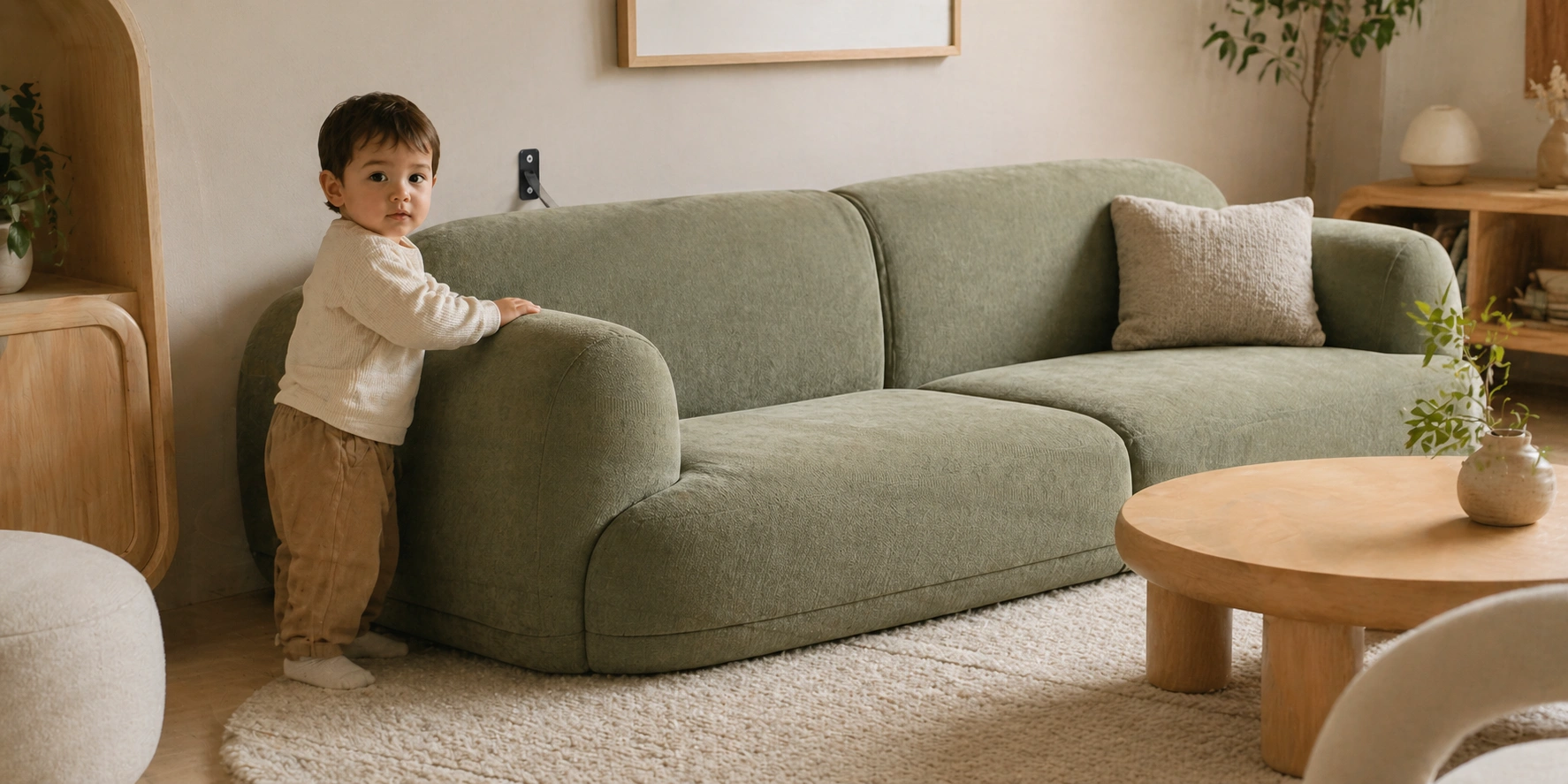
Tip-Over Resistance
Sofas with tall, narrow backs or disproportionately heavy backs compared to the base can tip when children climb or hang on them. Look for low-profile designs with a wide, stable base. Always anchor the sofa to the wall using anti-tip brackets if it has any instability.
No Exposed Hardware
Check that all bolts, screws, and staples are recessed or covered. Exposed metal on armrests, legs, or underneath the frame can scratch or cut curious children who reach into gaps. Run your hands along all seams and joints during inspection.
Non-Toxic Materials
Children spend significant time pressed against sofa fabric. Look for sofas certified by CertiPUR-US (for foam), OEKO-TEX (for fabric), and GREENGUARD Gold (for overall chemical emissions). These certifications ensure the sofa does not off-gas harmful VOCs that affect developing respiratory systems.
Appropriate Seat Height
For toddlers, a seat height of 15-18 inches from the floor allows them to climb up and down safely without assistance. Sofas with seats higher than 20 inches require adult help for small children, increasing fall risk. Seat depth and height both matter for child safety.
Reversible Cushions
Sofas with reversible seat and back cushions give you two usable sides per cushion. When one side gets stained or worn, simply flip it. This effectively doubles the usable life of the upholstery and reduces the urgency of professional cleaning.
Solid, Low-Profile Legs
Avoid sofas on spindly, tall legs that can wobble or break if kids push against them. Low, solid wood or block legs provide stability and reduce the chance of loose or broken legs from rough play. Tapered legs should have floor glides to prevent scratching.
Maintenance & Protection Strategy for Family Sofas
Even the most durable family sofa benefits from a proactive maintenance routine. The difference between a sofa that lasts 3 years and one that lasts 10+ years often comes down to how consistently you apply basic care. Here is a step-by-step strategy that takes minimal time but delivers maximum protection.
Apply Fabric Protector
Spray a quality fabric protection treatment immediately after purchase and reapply every 6-12 months. This creates an invisible barrier that gives you extra response time for spills.
Weekly Vacuuming
Use an upholstery attachment to vacuum crumbs, dust, and pet hair weekly. Debris that sits in fabric fibers acts like sandpaper, accelerating wear every time someone sits down.
Immediate Spot Treatment
Keep a stain removal kit within arm's reach of the sofa. The first 30 seconds after a spill are critical — blot (never rub) immediately with a clean cloth and appropriate cleaner.
Rotate & Flip Cushions
Every 2-3 months, rotate seat cushions and flip reversible ones. This ensures even wear patterns and prevents one spot from developing a permanent indent from repeated use in the same position.
Use Strategic Covers
Place sofa covers on the highest-traffic seats, especially if your sofa does not have washable slipcovers. Waterproof covers under throw blankets add a second defense layer.
Professional Cleaning Annually
Schedule professional upholstery cleaning once a year, even if the sofa looks clean. Deep-set dirt and allergens accumulate over time and weaken fibers from the inside out. For detailed instructions, see our fabric sofa cleaning guide.

For families with both kids and pets, the maintenance stakes are even higher. Read our specialized guide on sofas for pet owners which covers additional protection strategies including pet-proof sofa covers and odor elimination techniques.
Common Mistakes Families Make When Buying a Sofa
Learning from others' mistakes is far cheaper than making your own. These are the most frequent and costly errors we see families make when selecting a sofa. Every single one of these is avoidable with the information already covered in this guide.
Choosing White or Light Cream Without Washable Covers
A white sofa without removable, machine-washable slipcovers will show every fingerprint, juice drip, and dirty shoe mark within the first week. If you love the light aesthetic, only buy it in a washable configuration with performance fabric underneath.
Buying Based on Showroom Appearance Alone
Showroom sofas are pristine, well-lit, and displayed in spacious settings. A sofa that looks stunning in a showroom may look entirely different in your actual living room with toys on the floor, afternoon light, and daily clutter. Always request fabric samples to test at home before ordering.
Ignoring Frame Construction Details
Most families focus on fabric and color while completely overlooking the frame. A sofa with a weak frame will creak, wobble, and eventually break — regardless of how beautiful the upholstery is. Always verify: kiln-dried hardwood, dowel joints, corner blocks, and a minimum 5-year frame warranty.
Underestimating the Family Growth Timeline
A couple with one toddler buying a compact loveseat may save money now but will need a replacement within two years. Think about what your family will look like in 5 years, not just today. Modular sofas solve this by allowing incremental expansion.
Skipping the Armrest Test
Kids use armrests as steps, tables, and desks. If the armrests are narrow, poorly padded, or made of weak material, they will be the first thing to fail. Press firmly on the armrests during your test sit — if they flex or feel hollow, move on.
Not Checking the Warranty Fine Print
Many sofa warranties exclude "normal household wear" or "damage from children and pets" — which is exactly what families experience. Look for warranties that specifically cover frame breakage and fabric delamination, and understand what is excluded before purchasing.
Understanding the balance between comfort and durability helps you avoid the trap of choosing one at the complete expense of the other. The best family sofas deliver both, but they require careful evaluation.
Family Sofa Buying Checklist
Print this checklist or screenshot it on your phone. Take it with you when shopping — it covers every critical evaluation point from this guide. A sofa that checks most of these boxes will serve your family well for years.


