Why Your Sofa Smells Bad & How to Eliminate the Odor
A bad-smelling sofa can make your entire living room unpleasant. This guide helps you identify the exact source of the odor and walks you through proven methods to eliminate it for good.
FIND THE CAUSEYou sit down to relax after a long day, and instead of comfort, you're greeted by an unpleasant smell wafting from your sofa. Whether it's musty, sour, chemical, or distinctly "pet," a foul-smelling couch is more than just annoying — it's a sign that something is trapped inside the upholstery, cushions, or frame that needs to be addressed.
The frustration many people experience is that surface cleaning often doesn't work. You wipe the fabric, spray some air freshener, and within hours the smell is back. That's because most sofa odors originate below the surface — inside foam cushion inserts, between the fabric and the cushion core, or within the wooden frame itself. This guide takes a different approach: identify the source first, then target the treatment accordingly.
📚 Table of Contents
- Common Causes of Sofa Odors
- How to Identify the Source
- Removing Musty & Mildew Smells
- Removing Pet Odors
- Removing Sweat & Body Odor
- Eliminating New Sofa Chemical Smells
- Removing Food & Spill Odors
- Getting Rid of Smoke Smells
- Cleaning Methods by Fabric Type
- Prevention: Keeping Your Sofa Fresh
- When to Consider Replacement
- Frequently Asked Questions
Common Causes of Sofa Odors
Understanding what's causing the smell is the single most important step. Using the wrong treatment for the wrong cause can actually make the problem worse — for example, using water-based cleaners on a mold smell can feed the mold further.
🌱 Musty / Mildew
Moisture exposure from humidity, spills, leaks, or placement near walls with condensation. Especially common in basement sofas or rooms with poor ventilation.
🐾 Pet Odors
Urine accidents, pet dander accumulation, and oils from fur that penetrate fabric and absorb into cushion foam. A major reason owners choose pet-friendly sofas.
💪 Sweat & Body Oils
Human perspiration and sebum naturally absorb into upholstery fabric and cushion foam over months and years of daily use.
🧪 Chemical / Off-Gassing
Volatile organic compounds (VOCs) released from new foam, adhesives, flame retardants, and synthetic fabric treatments. Common in brand-new sofas.
🍺 Food & Spills
Liquid spills that seep into cushions and ferment, or food particles trapped in crevices that decompose over time.
🔜 Smoke
Cigarette, cigar, or fireplace smoke particles that coat fabric fibers and penetrate cushion interiors. Tar and nicotine residues are particularly stubborn.
⚠️ Critical First Step: Before treating any odor, identify whether moisture is involved. If your sofa smells musty and the cushions feel even slightly damp, do not apply any water-based cleaning method — this can accelerate mold growth. Start with dry methods (baking soda, vacuuming) and address the moisture source first.
How to Identify the Source of the Smell
Before spending time and money on treatments, spend 10 minutes doing a proper diagnosis. This saves you from the common cycle of treating the wrong thing and having the smell return.
- Remove all cushions and pillows. Place them on a clean surface. Does the smell come from the cushions themselves, the base of the sofa, or both? This immediately narrows your search area.
- Sniff-test each component separately. Smell the cushion fabric, then unzip the cover (if possible) and smell the foam insert directly. Smell the base fabric where you sit, the armrests, and the back. Different smells in different areas may indicate multiple sources.
- Check for visible signs. Look for dark spots (mold), stains (spills), discoloration (nicotine), or dampness. Use a flashlight to check the underside of cushions and the crevices of the sofa base.
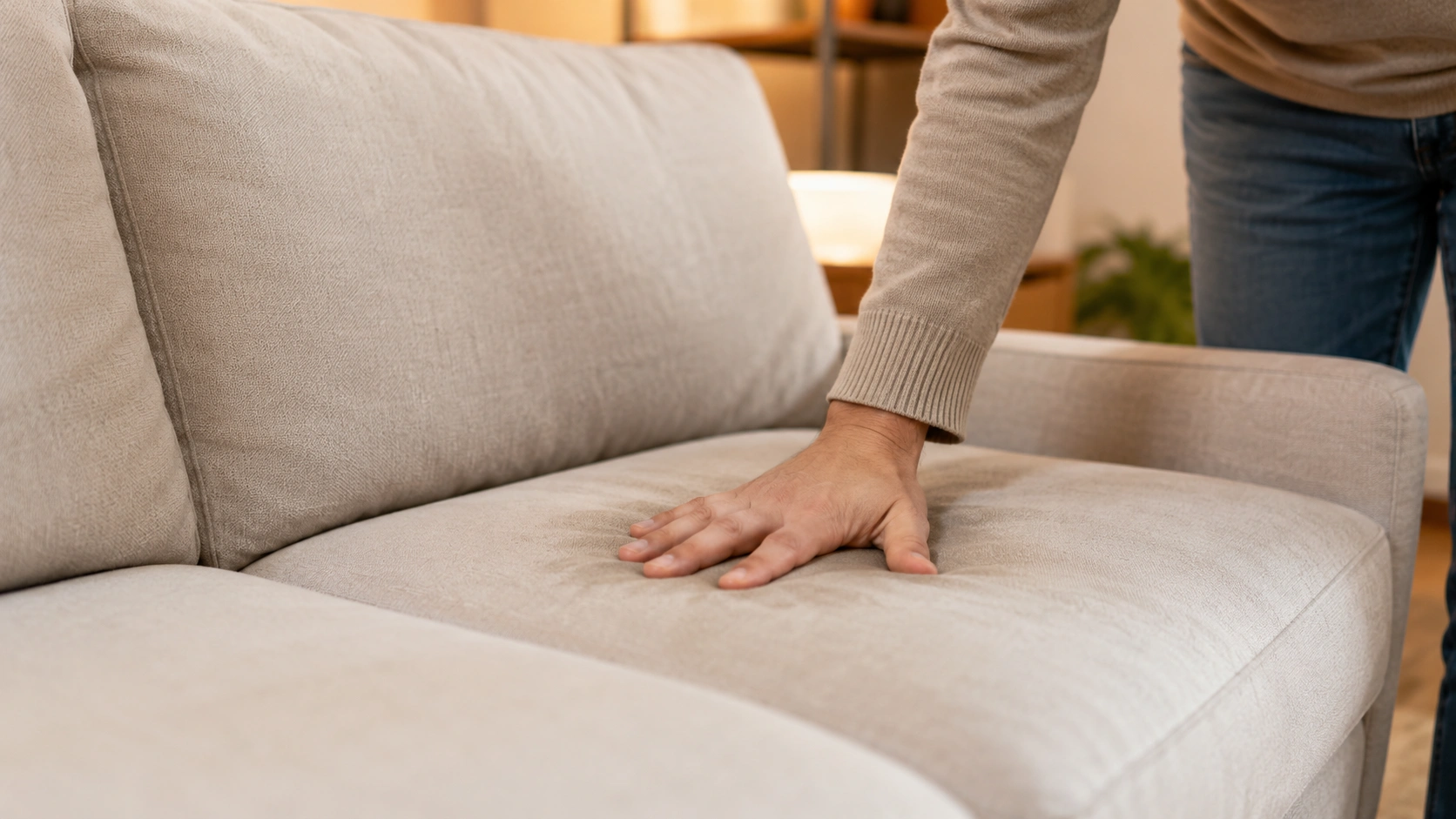
- Press into the fabric. Use your hands to press firmly into the seat and back cushions. If pressing releases a burst of odor, the source is inside the cushion foam — not on the surface. This is the most common reason surface cleaning fails.
- Check the frame and underside. Flip the sofa (if possible) or crouch down to examine the underside. Look for water damage, mold on the dust cover, or debris trapped between the frame and the fabric.

Removing Musty & Mildew Smells
Musty odor is the most common sofa smell complaint, and it's almost always caused by moisture that has been absorbed into the cushion foam or the fabric backing. Mold and mildew can begin growing within 24-48 hours in the right conditions — dark, warm, and humid.
Step-by-Step Musty Odor Removal
- Remove all cushion inserts from their covers. If the covers are removable and washable, set them aside for laundering. If not removable, work with them in place but focus on the foam.
- Inspect foam inserts for mold. If you see black, green, or white patches on the foam, the mold has colonized the insert. Small spots can be treated; heavily molded foam should be replaced entirely. Replacement cushion inserts are affordable and often the most effective solution.
- Treat moldy foam (if salvageable). Take the foam outdoors and brush off visible mold with a stiff brush. Spray lightly with a solution of 1 cup white vinegar to 1 cup water. Let it air dry completely in direct sunlight — UV light kills remaining mold spores.
- Baking soda treatment for all fabric surfaces. Sprinkle a thick, even layer of baking soda over every fabric surface — cushions, base, arms, and back. Use a dry brush to work it gently into the fabric weave. Leave for 12-24 hours minimum (longer for severe odors).
- Vacuum thoroughly. Use an upholstery attachment to remove all baking soda. Go over each area multiple times. The baking soda will have absorbed moisture and trapped odor molecules.
- Vinegar spray for persistent mustiness. Mix equal parts white vinegar and water in a spray bottle. Lightly mist the fabric (do not saturate). Vinegar neutralizes alkaline mold odors. The vinegar smell will dissipate within a few hours as it dries.
- Ensure complete drying. Place the sofa near an open window, run a fan, or use a dehumidifier. The sofa must be completely dry before replacing cushion inserts — any residual moisture will restart the mold cycle.
💡 Pro Tip: For basement or high-humidity rooms, place moisture absorber packets (silica gel or calcium chloride) inside the sofa — under the cushions and inside the frame cavity. Replace them monthly. This passive approach prevents musty smells from returning without any ongoing effort.
Removing Pet Odors
Pet odors are among the most difficult to eliminate because they're caused by proteins and enzymes in urine, dander, and saliva that bond with fabric fibers and penetrate foam. Standard household cleaners mask the smell temporarily but don't break down the odor-causing molecules.
Enzymatic Cleaning: The Only Method That Works
The key to eliminating pet odors is enzymatic cleaner. These products contain live enzymes that literally digest and break down the protein-based odor molecules. Without enzymes, you're only masking the smell — not removing it.
- Blot (never rub) any visible stains. If there are fresh or old urine stains, blot with paper towels to absorb as much as possible. Rubbing pushes the urine deeper into the foam.
- Saturate the affected area with enzymatic cleaner. Apply enough to penetrate through the fabric and into the cushion foam — this is critical. The enzyme needs to reach where the odor-causing proteins are trapped.
- Let it work — do not rush this step. Most enzymatic cleaners need 30 minutes to several hours to fully break down odors. Some require keeping the area damp for up to 24 hours. Read the product instructions carefully.
- Blot dry and allow to air dry completely. Do not use heat (hair dryers) as this can set any remaining stain and damage the enzyme action.
- Follow with baking soda treatment. After the enzymatic cleaner has dried, apply baking soda as described in the musty odor section. This catches any residual odor the enzymes missed.
- Vacuum and assess. If any odor remains, repeat the enzymatic treatment. Severe cases may need 2-3 applications.
🛒️ What to Look for in an Enzymatic Cleaner
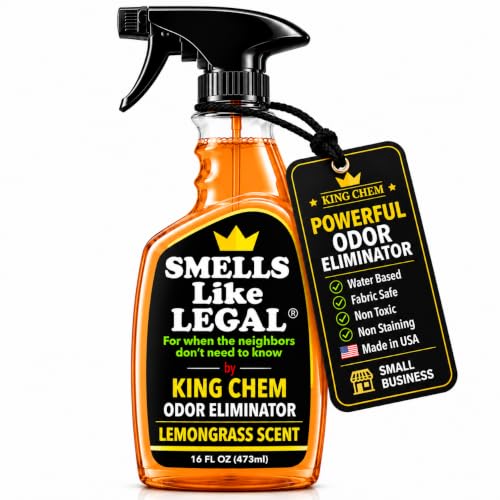
Choose a product specifically labeled for upholstery and pet urine — not a general-purpose cleaner. The enzyme concentration matters: professional-grade products (available online) are significantly more effective than supermarket options. Check that it's safe for your specific fabric type. See our recommended odor elimination products below for tested options.
💡 Prevention Note: If you have pets, investing in pet-proof sofa covers from day one is far easier than treating deep-set pet odors later. Machine-washable covers can be cleaned weekly, preventing odors from ever reaching the cushion foam. For future sofa purchases, consider microfiber couches which are naturally more resistant to pet odor absorption than woven fabrics.
Removing Sweat & Body Odor
Sweat and body oils are the stealth cause of sofa odor. You may not notice it yourself because you're accustomed to your own scent, but visitors will notice a sour or "locker room" smell. This is particularly common on the seat cushions and armrests — the areas with the most skin contact.
Sweat Odor Treatment
Body oils are slightly acidic, so the treatment approach is different from musty or pet odors. You need something that breaks down oils without damaging the fabric.
- Start with a thorough vacuuming. Remove loose debris, dust, and skin flakes that trap odor.
- Apply a solution of mild dish soap and warm water. Use just a few drops of dish soap per quart of water — too much soap leaves residue that attracts more dirt. Use a microfiber cloth to wipe down armrests, headrests, and seat cushions.
- For deeper body odor in cushions: Remove cushion covers if possible. Spot-clean the foam with the same mild soap solution using a spray-and-blot technique. Do not soak the foam.
- Apply baking soda generously. After the soap treatment has dried completely, apply baking soda as described earlier. Leave for 12+ hours to absorb residual odor.
- Vinegar neutralization (if needed). If a sour smell persists after baking soda, lightly mist with a 50/50 white vinegar and water solution. Vinegar's acidity neutralizes the alkaline components of sweat odor.
⚠️ Fabric Safety Warning: Always check your sofa's cleaning code before applying any liquid. Code "W" fabrics can handle water-based cleaners, "S" fabrics need solvent-based cleaners only, and "WS" fabrics can handle either. Using water on an "S" fabric can cause water spots, shrinkage, or damage. If you're unsure, see our fabric sofa cleaning guide for fabric-specific instructions.
Eliminating New Sofa Chemical Smells (Off-Gassing)
That strong chemical smell from a new sofa is caused by off-gassing — the release of volatile organic compounds (VOCs) from foam cushioning, adhesives, fabric treatments, and flame retardants. While unpleasant, off-gassing is generally not dangerous in well-ventilated spaces and diminishes significantly over time.

- Ventilate aggressively. Open all windows in the room. Place box fans in the windows blowing outward to expel VOC-laden air. Do this for at least 4-6 hours daily for the first week. This alone eliminates 70-80% of off-gassing odor.
- Run an air purifier with activated carbon. HEPA filters alone won't capture VOCs — you need activated carbon. Place the purifier near the sofa and run it continuously. This is the single most effective indoor solution.
- Place bowls of white vinegar around the sofa. Vinegar absorbs VOCs through a chemical reaction. Use 3-4 small bowls placed on and around the sofa. Replace the vinegar every 24 hours for the first 3-5 days.
- Increase room temperature slightly. Warm temperatures accelerate off-gassing (which seems counterintuitive, but it means the VOCs release faster so they can be ventilated away, rather than lingering for weeks). Keep the room at 75-80°F during ventilation sessions.
- Avoid covering the sofa. Don't place throws or slipcovers over a new sofa that's off-gassing — this traps the VOCs against the fabric and slows the process.
💡 Buying Tip: If you're sensitive to chemical smells, choose sofas made with CertiPUR-US certified foam (lower VOC emissions), GOTS or OEKO-TEX certified fabrics, and avoid those treated with additional flame retardant chemicals. When shopping, check our guide on sofa materials explained to understand which materials have lower chemical content.
Removing Food & Spill Odors
Spilled milk, juice, soup, or other food liquids create odor when they seep into cushion foam and begin to break down. Even if the surface stain was cleaned at the time, the liquid that penetrated below continues to ferment and produce sour smells.
Spill Odor Removal Method
- Locate the original spill area. Even if the surface looks clean, feel for slightly stiff or crusty areas on the fabric. This indicates where liquid dried and residue remains.
- Remove cushion covers if possible. Launder according to the care tag. For non-removable covers, focus on the internal foam treatment.
- Treat the foam insert. If the foam absorbed the spill, spray with a mixture of 1 teaspoon dish soap, 1 tablespoon white vinegar, and 2 cups warm water. Blot — don't soak. The combination breaks down food residue and neutralizes sour odors.
- Baking soda saturation. For severe spill odors, work baking soda directly into the affected area of the cushion (if accessible). Leave for 24-48 hours before vacuuming.
- UV treatment. If possible, place cushion inserts in direct sunlight for several hours. UV light has natural antibacterial properties that help neutralize odor-causing bacteria from food decomposition.
For ongoing spill protection, applying a fabric protection treatment creates a barrier that prevents liquids from penetrating beyond the surface. This is especially valuable for family sofas and family room seating.
Getting Rid of Smoke Smells
Smoke odors — whether from cigarettes, cigars, or fireplaces — are particularly stubborn because the odor-causing particles (tar, nicotine, creosote) are sticky and adhere strongly to fabric fibers. They also penetrate deep into cushion foam and can coat the frame and springs inside the sofa.
Smoke Odor Elimination Protocol
- Vacuum every surface thoroughly. Use a vacuum with a HEPA filter. Go over every inch of fabric, including the back, sides, and bottom of the sofa. Smoke particles settle everywhere.
- Wipe down all non-fabric surfaces. If your sofa has exposed wooden legs or arms, wipe them with a damp cloth and mild soap. Nicotine residue forms a yellowish film on hard surfaces.
- Apply a vinegar solution to all fabric. Mix 1 cup white vinegar with 2 cups warm water. Lightly spray and blot every fabric surface. Vinegar neutralizes the alkaline nicotine compounds.
- Use activated carbon or baking soda. Place bowls of activated carbon (more effective than baking soda for smoke) on and around the sofa. Alternatively, sprinkle baking soda over all surfaces and leave for 24-48 hours.
- Consider ozone treatment for severe cases. Ozone generators break down smoke molecules at a chemical level. This is the most effective method for heavy smoke odors but requires the room to be evacuated during treatment (ozone is harmful to breathe). Many professional upholstery cleaners offer this service.
- Repeat as needed. Smoke odors are layered — surface treatment alone rarely solves the problem on the first attempt. Plan for 2-3 treatment rounds over 1-2 weeks.
💡 Secondhand Sofa Warning: If you're considering a secondhand sofa, always do a thorough smell test before purchasing. Smoke odor is one of the most difficult problems to fix and may require professional ozone treatment costing $150-$400. When checking sofa quality before buying, sniff the cushions deeply — not just the surface.
Cleaning Methods by Fabric Type
The same odor-removal technique can produce very different results depending on your upholstery material. Using the wrong method can cause permanent damage. Here's what works — and what to avoid — for each common fabric type.
Polyester / Synthetic Blend
- Baking soda: safe and highly effective
- Vinegar spray: safe
- Enzymatic cleaner: safe
- Dish soap solution: safe
- Can withstand more moisture than natural fibers
- Ensure thorough drying to prevent mildew
Cotton / Linen
- Baking soda: safe and effective
- Vinegar spray: safe (test first)
- Risk of water spots — use minimal liquid
- Can shrink if over-wetted
- Prefer dry methods (baking soda, vacuuming)
- See our linen sofa care guide for specifics
Microfiber
- Baking soda: safe but difficult to vacuum out of dense pile
- Vinegar spray: use very lightly — can leave water marks
- Enzymatic cleaner: safe (alcohol-based preferred)
- Specialty microfiber cleaner recommended
- Brush in one direction after cleaning to restore nap
- Full guide: clean microfiber sofa
Velvet
- Baking soda: risky — can be very hard to remove from pile
- Vinegar: avoid — may crush the pile
- Steam cleaning (professional): safest option
- Dry cleaning solvent for spot treatment
- Never rub — always blot or dab gently
- See velvet cleaning guide
Leather (Full-Grain / Top-Grain)
- Baking soda: avoid — abrasive to leather surface
- Vinegar: avoid — can strip natural oils
- Use dedicated leather cleaner only
- Follow with leather conditioner after cleaning
- Odors are rare in leather — usually from the foam inside
- Check leather grades to identify your type
Washable / Slipcovered
- Remove covers and machine wash per care label
- Hot water cycle kills most odor-causing bacteria
- Add 1/2 cup baking soda to the wash cycle
- Treat the foam insert separately while covers wash
- Easiest fabric type for odor removal
- Consider a slipcovered sofa for future ease

Prevention: Keeping Your Sofa Smelling Fresh
Preventing odors is far easier and cheaper than removing them. These habits take minimal effort but can keep your sofa smelling fresh for years.
Weekly Vacuuming
Remove dust, skin cells, pet dander, and food crumbs before they break down and cause odor. Use the upholstery attachment and get into all crevices.
Immediate Spill Response
Blot spills within seconds. The faster you act, the less liquid reaches the foam. Keep a clean cloth nearby for quick response.
Rotate Cushions Monthly
Even wear prevents concentrated body oil buildup in one spot. Flip and rotate all cushions at least once a month.
Use Protective Covers
Sofa covers are the single best prevention tool. They take the abuse and can be washed regularly, keeping the upholstery beneath pristine.
Maintain Air Circulation
Don't push your sofa flush against the wall — leave 2-3 inches of clearance for air flow. In humid rooms, run a dehumidifier to prevent musty odors.
Apply Fabric Protector
A quality fabric protection treatment creates an invisible barrier that repels liquids and reduces odor absorption. Reapply annually.
Schedule Deep Cleaning
Professional upholstery cleaning every 12-18 months removes deep-set oils, allergens, and odor-causing bacteria that home cleaning can't reach.
No Eating Rules
Establish a no-food-on-the-sofa rule, or at minimum limit eating to specific seating areas. This single habit prevents the most common spill-related odors.
When to Consider Replacement
While this guide covers comprehensive odor removal methods, there are situations where replacing the sofa — or specific components — is the more practical and cost-effective choice.
Replace cushion foam inserts when: The foam has extensive mold colonization (dark spots covering more than 30% of the surface), the foam has broken down and crumbles when squeezed, or it has absorbed prolonged moisture and feels permanently damp. Replacement foam inserts are inexpensive ($20-$60 per cushion) and can transform a smelly sofa into a fresh one without replacing the entire piece.
Replace the entire sofa when: The frame has structural water damage or mold growth that can't be accessed, the odor is deeply embedded in non-removable upholstery that doesn't respond to multiple treatment rounds, or the sofa was exposed to severe contamination (flooding, sewage, extensive pet damage). At this point, the cost of professional treatment may exceed the value of the sofa.
💡 Cost Comparison: Professional upholstery cleaning costs $100-$300. Ozone treatment adds $150-$400. Multiple sessions can total $400-$700. If your sofa originally cost less than $800 and has multiple odor sources, replacement may be the wiser financial decision. For high-quality sofas ($1,500+), investing in professional treatment almost always makes sense. See our common sofa problems guide for more repair-vs-replace guidance.
🛒️ Need the Right Products? Eliminating sofa odors requires the right tools — enzymatic cleaners, activated carbon, baking soda, fabric-safe cleaning solutions, and protective covers. Browse our curated selection of odor elimination products below, each chosen for proven effectiveness on upholstery odor problems.