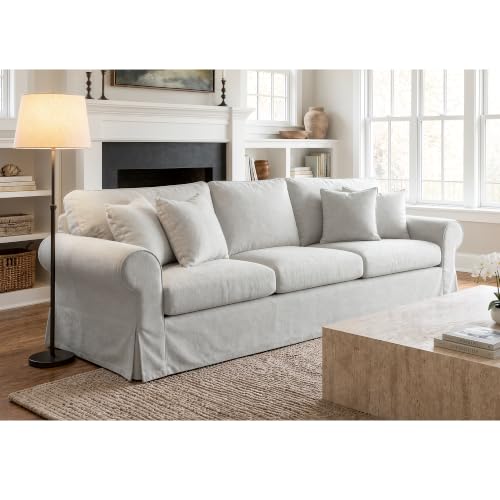
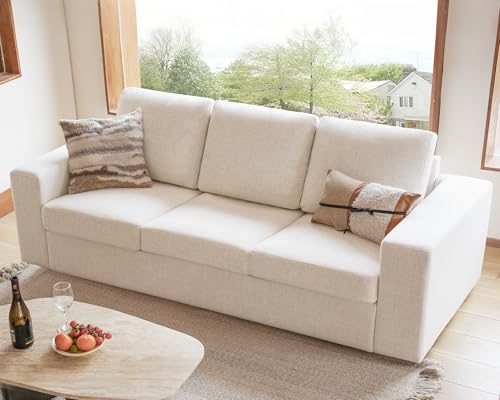
The Complete Guide to Linen Sofas
Natural elegance, breathable comfort, and timeless style — discover why linen is one of the most sought-after upholstery fabrics for sophisticated living spaces
EXPLORE LINEN STYLESWhy this guide matters: Linen sofas sit at the intersection of luxury and practicality, yet many buyers are unsure whether this natural fabric fits their lifestyle. This guide covers everything from durability ratings and maintenance requirements to design compatibility and buying mistakes to avoid — so you can decide with confidence before purchasing.
What Is Linen Fabric, Exactly?
Nature's Strongest Natural Fiber
Linen is a textile woven from the fibers of the flax plant (Linum usitatissimum), one of the oldest cultivated crops in human history, dating back over 30,000 years. The process of turning flax into fabric is labor-intensive — involving retting, drying, scutching, and spinning — which explains why linen carries a premium price tag compared to most other sofa materials.
What makes linen distinctive as an upholstery fabric is its unique combination of properties: it is 30% stronger than cotton, highly breathable, naturally antimicrobial, and has a beautiful textured drape that synthetic fabrics struggle to replicate. Each linen fiber has subtle irregularities that give the fabric its characteristic organic look.
When used for sofas, linen is often blended with other fibers — typically cotton, viscose, or polyester — to improve wrinkle resistance, reduce cost, and enhance durability. A 100% linen sofa upholstery will feel and look different from a linen-blend, and understanding this distinction is critical before you buy.

Why Choose a Linen Sofa?
✓ Advantages
✗ Drawbacks
How Durable Is a Linen Sofa, Really?
Understanding Martindale Ratings for Linen
The Martindale abrasion test measures how many rubs a fabric can withstand before showing wear. For linen upholstery, here is what you need to know:
Pure linen typically scores between 15,000 and 25,000 Martindale cycles, which qualifies it for moderate domestic use. This means it holds up well in living rooms with normal daily use by adults, but may show signs of wear faster in high-traffic family environments.
Linen-blend fabrics (linen mixed with cotton, polyester, or viscose) can achieve ratings of 25,000 to 40,000+ cycles, pushing them into heavy domestic use territory. If durability is a top priority, a linen blend is almost always the smarter choice over pure linen.
Important: A high Martindale rating alone does not guarantee longevity. Frame quality, cushion fill, and how you maintain the sofa all play equally important roles. Read our guide on comfort vs. durability for the full picture.

Linen vs. Other Popular Sofa Fabrics
Choosing the right upholstery fabric means weighing multiple factors at once. The table below compares linen against the most common sofa fabric alternatives across the criteria that matter most to buyers.
| Criteria | Linen | Cotton | Polyester | Microfiber | Velvet |
|---|---|---|---|---|---|
| Breathability | Excellent | Very Good | Poor | Poor | Good |
| Durability | Moderate | Moderate | Excellent | Very Good | Low–Moderate |
| Stain Resistance | Low | Low–Moderate | High | High | Low |
| Wrinkle Resistance | Low | Moderate | High | High | Moderate |
| Softness | Moderate (improves with age) | Very Soft | Moderate | Very Soft | Luxuriously Soft |
| Pet-Friendly | Poor | Moderate | Good | Good | Poor |
| Eco-Friendly | Excellent | Good | Poor | Poor | Moderate |
| Price Range | High | Moderate | Budget-Friendly | Budget-Friendly | High |
| Typical Martindale | 15K–30K | 15K–25K | 50K+ | 40K–80K+ | 10K–20K |
For a deeper side-by-side analysis, read our comprehensive leather vs. fabric comparison, or explore how linen specifically stacks up against other performance fabric options available on the market today.
Best Sofa Styles for Linen Upholstery
Not every sofa design pairs equally well with linen's natural texture. The following styles are where linen upholstery truly shines, enhancing the character of each design rather than fighting against it.


Modern & Minimalist
Linen's clean texture complements the straight lines and low profiles of modern designs perfectly. Neutral linen tones like oatmeal, sand, and charcoal create a serene, Scandinavian-inspired aesthetic.

Coastal & Beach
Light-colored linen in white, cream, or soft blue evokes the relaxed feel of seaside living. The natural wrinkles even mimic the casual elegance of coastal interiors.

Bohemian & Eclectic
The earthy, organic texture of linen serves as an ideal neutral canvas for bold patterns, layered textiles, and vibrant accessories that define boho style.

Contemporary
Contemporary designs with track arms and tapered legs look refined in linen. Choose darker shades like slate or olive for a sophisticated, grounded look.

Tufted & Classic
Linen adds a softer, more approachable feel to traditional tufted designs. The texture prevents tufted pieces from looking overly formal or stiff.

Loveseats & Small Sofas
Linen is especially effective on smaller pieces where its texture becomes a focal point. Perfect for small-space living and apartments.
Best Color Options for Linen Sofas
Choosing the Right Shade
Linen takes dye beautifully, but the fabric's natural beige undertone means that lighter shades tend to look more authentic while very saturated colors may appear slightly muted compared to synthetic fabrics. This is actually an advantage — it gives linen colors a rich, organic depth that feels intentional rather than garish.
For maximum versatility, neutral-toned linen sofas in oatmeal, sand, cream, or light grey are the safest investment. They work with virtually any interior palette and can be refreshed seasonally with throw pillows and blankets. If you want to make a statement, deeper shades like sage green, dusty rose, or navy blue are increasingly popular choices.
Keep in mind that light linen shows stains more easily, while dark linen shows dust and lint more visibly. Consider your household's activity level when selecting a shade. For homes with children, medium tones like taupe or khaki offer the best balance of style and practicality.
Popular Linen Color Palette
For more color inspiration, explore our guides to neutral sofas and bold-colored sofas.
How to Clean & Maintain a Linen Sofa

Proper maintenance is the single biggest factor in how long your linen sofa will look good. Following a consistent care routine can extend its lifespan significantly and keep the fabric looking fresh for years.
Weekly Vacuuming
Use a soft brush attachment to remove dust, crumbs, and pet hair at least once a week. This prevents dirt from working into the fibers where it causes premature wear and discoloration.
Immediate Spot Treatment
Blot spills immediately with a clean, dry cloth — never rub, which pushes the stain deeper. For water-based spills, a damp cloth with mild soap usually suffices. For oil-based stains, use a small amount of cornstarch to absorb the oil before cleaning.
Professional Cleaning Annually
Schedule a professional upholstery cleaning once a year. They have specialized equipment and solvents that clean deeply without damaging the natural fibers. Always test any cleaning product on a hidden area first.
Apply Fabric Protection
Treat your linen sofa with a fabric protector spray (like Scotchgard) after purchase and after each professional cleaning. This creates an invisible barrier that gives you more time to blot spills before they penetrate. Read our full fabric protection guide.
Rotate and Flip Cushions
Rotate seat and back cushions weekly to ensure even wear. If your cushions are reversible, flip them periodically. This prevents one side from developing a worn or flattened appearance. If cushions do flatten over time, our guide on fixing sagging cushions can help.
Protect From Sunlight
Position your sofa away from direct sunlight or use curtains and blinds during peak hours. UV rays break down natural fibers and cause linen colors to fade unevenly. For more strategies, see our UV protection guide.
Pro tip: If your linen sofa has removable covers, check the care label before washing. Many linen covers are machine-washable on a gentle cycle with cold water. Use a mild detergent, avoid bleach, and air dry to prevent shrinkage. For detailed fabric-specific advice, visit our complete fabric sofa cleaning guide.
Is a Linen Sofa Right for You?
Linen is not a universal solution — it excels in specific situations and falls short in others. Being honest about your household's needs will save you from buyer's remorse.
✓ Ideal For
- Adults-only households with moderate daily use
- Homes in warm or humid climates where breathability matters
- Buyers who appreciate natural, organic aesthetics
- People with allergies who need hypoallergenic upholstery
- Eco-conscious consumers prioritizing sustainable materials
- Secondary living spaces like guest rooms or reading nooks
- Homeowners who embrace the relaxed, wrinkled look as a design feature
✗ Think Twice If
- You have young children prone to spills and rough play
- You own cats or dogs with claws that can snag the weave
- Your living room receives heavy daily foot traffic
- You prefer a crisp, wrinkle-free upholstery appearance
- The sofa will be placed in direct, intense sunlight
- You are on a tight budget and need maximum durability per dollar
- You are not willing to commit to regular maintenance routines
Still unsure? If your situation falls somewhere in between, consider a linen-blend fabric (typically 40–60% linen with polyester or cotton). This gives you much of linen's aesthetic appeal with significantly better stain resistance, wrinkle control, and durability. Many of our recommended products below use linen blends for exactly this reason.
Linen Sofa Buying Checklist
Before clicking "add to cart," run through this checklist to ensure you are making an informed decision. Each item addresses a common mistake that buyers make when shopping for linen upholstery.
☐ Pre-Purchase Verification
Frequently Asked Questions About Linen Sofas
Linen is an excellent sofa fabric for those who prioritize breathability, natural texture, and a relaxed aesthetic. It is made from flax plant fibers, making it one of the strongest natural textiles. However, it is prone to wrinkling and staining, so it is best suited for adults-only households or low-traffic living spaces. For a balanced option, consider linen-blend fabrics that combine natural beauty with added practicality.
Linen has a Martindale abrasion rating typically between 15,000 and 30,000 cycles, which is considered moderate durability. It is stronger than cotton but not as tough as synthetic fabrics like polyester or microfiber. With proper care — including regular vacuuming, prompt stain treatment, and annual professional cleaning — a linen sofa can last 7 to 12 years. Linen-blend fabrics generally offer higher durability ratings.
Many linen sofa covers are removable and machine-washable on a gentle cycle with cold water. Always check the manufacturer's care label first, as some pure linen covers may require dry cleaning to prevent shrinkage. Avoid harsh detergents, bleach, and fabric softeners. Air drying is recommended to maintain the fabric's shape and size, though tumble drying on the lowest heat setting may be acceptable for linen-polyester blends.
Yes, linen is naturally prone to wrinkling, and this is considered part of its charm by designers and homeowners who appreciate a relaxed, lived-in aesthetic. If you prefer a crisp, smooth look, pure linen may frustrate you. Some linen-polyester blends resist wrinkling significantly better while retaining a very similar appearance. Steam ironing removable covers on a low setting can temporarily reduce wrinkles between washings.
Pure linen is not ideal for homes with pets. Its relatively loose weave makes it susceptible to snagging from claws, and the natural fibers absorb pet accidents quickly, making stains difficult to remove. If you have pets and love the linen look, consider a linen-blend fabric with a higher synthetic content, or invest in quality pet-proof sofa covers to protect your investment. For dedicated pet-friendly options, explore our best sofas for pet owners guide.
Linen is approximately 30% stronger than cotton and significantly more breathable, making it cooler in warm weather. However, cotton is softer to the touch, more resistant to wrinkling, generally more affordable, and easier to clean — making it more practical for families with children. Linen has a more textured, luxurious appearance with a visible natural slub, while cotton has a smoother, more uniform surface. Both are natural fibers, but linen is considered the more premium option in terms of aesthetics and sustainability.
Ready to find your ideal linen sofa?
Browse our curated selection of top-rated linen sofas below, handpicked for quality, value, and style.
VIEW RECOMMENDED LINEN SOFAS